
Description
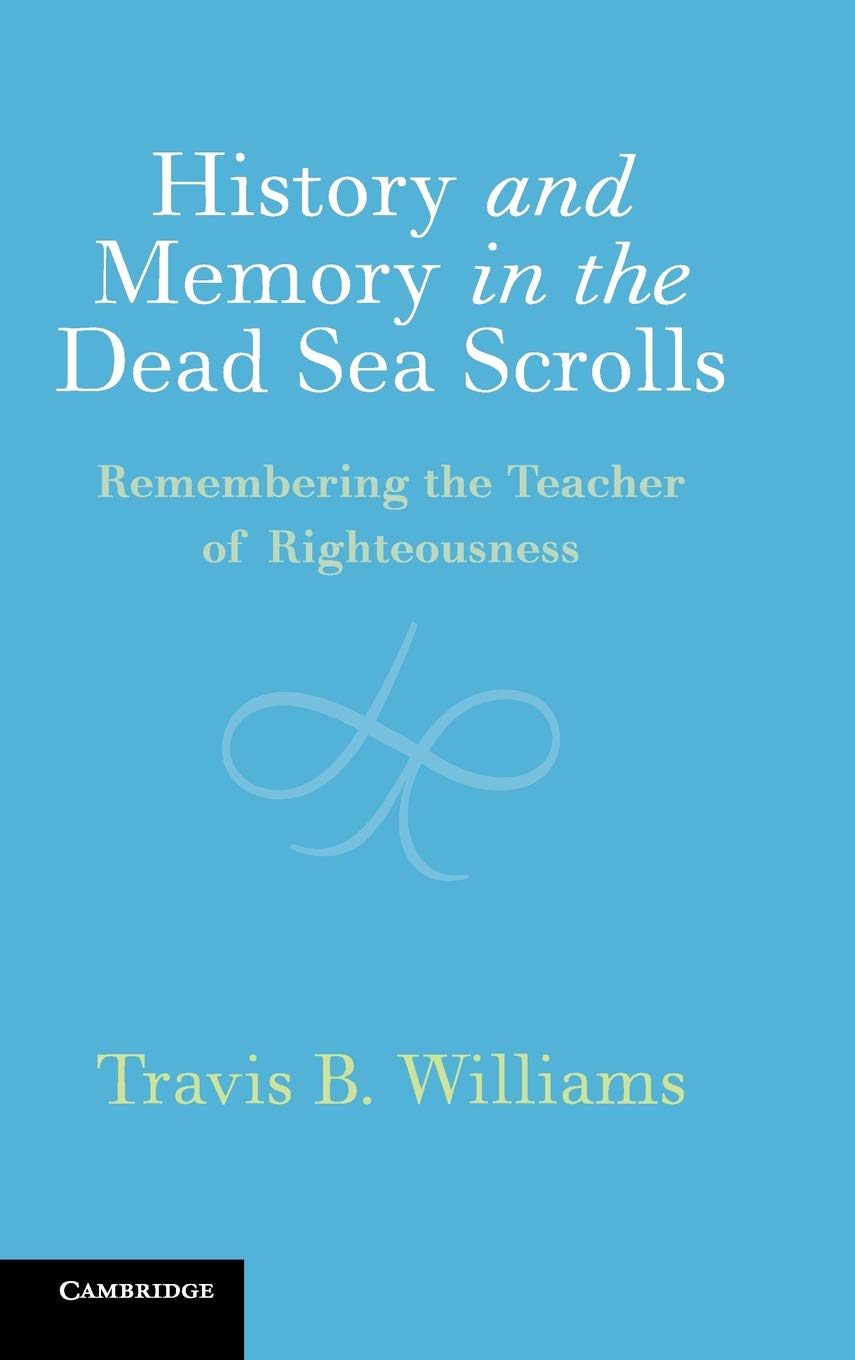
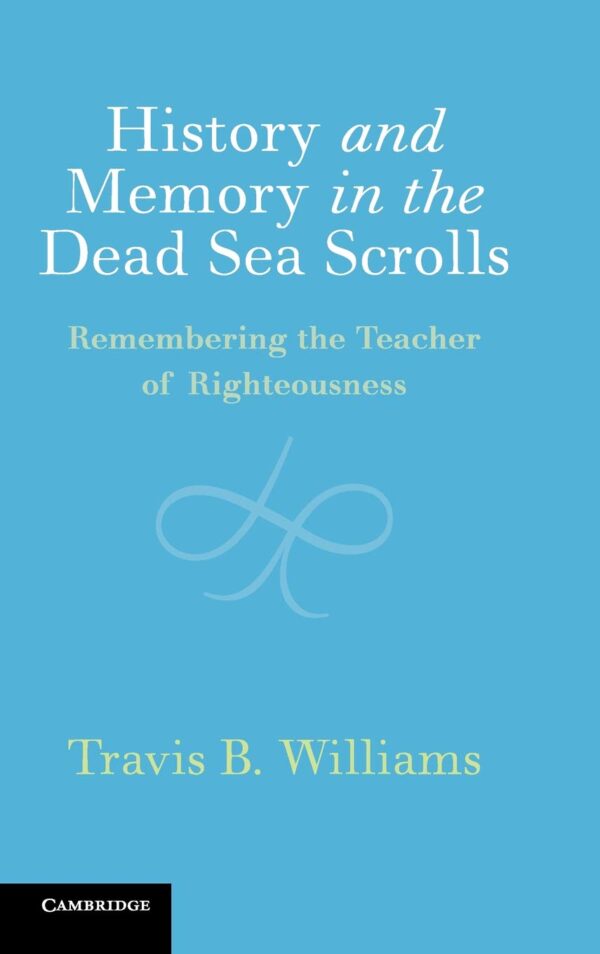
Travis B. Williams provides a comprehensive analysis of how memory functioned within the Dead Sea Scrolls community, particularly regarding their venerated Teacher of Righteousness. This work investigates the complex relationship between historical events and how religious communities selectively remembered and reinterpreted their past.
Williams demonstrates that the scrolls reveal sophisticated memory practices that shaped group identity and theological understanding. By examining textual evidence and archaeological context, the author illuminates how the sectarian community used remembrance as a tool for maintaining religious authority and community cohesion.
This Cambridge University Press publication contributes significantly to our understanding of Second Temple Judaism and early Jewish sectarianism, offering insights into how religious communities construct historical narratives and maintain collective memory across generations.
Reviews
There are no reviews yet.