
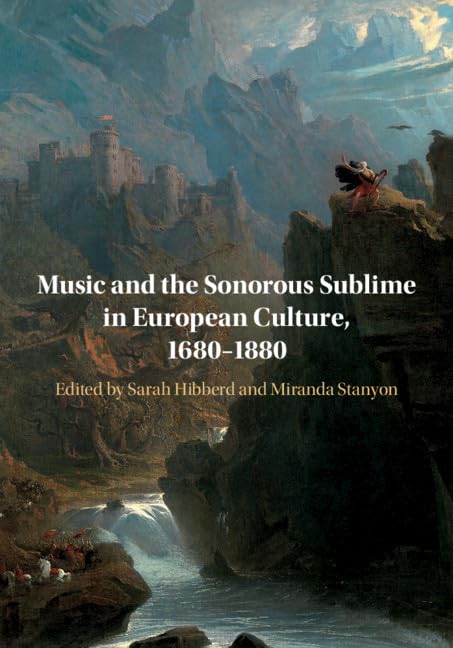
Description
Music and the Sonorous Sublime in European Culture, 1680–1880 provides a comprehensive examination of how the sublime—a philosophical concept central to Enlightenment and Romantic thought—manifested in musical composition and theory during a transformative period of European cultural history. This interdisciplinary study traces the development of the sonorous sublime across two centuries, analyzing how composers such as Haydn, Beethoven, and Wagner engaged with ideas of transcendence, vastness, and emotional intensity through musical means.
The authors explore the intersection of aesthetics, philosophy, and musical practice, demonstrating how the sublime became increasingly important to European composers seeking to express the inexpressible through sound. The book examines theoretical writings, musical scores, and cultural contexts to show how the sonorous sublime influenced the development of symphonic form, operatic drama, and concert music.
This essential resource for musicologists, music historians, and scholars of aesthetics illuminates a crucial but often overlooked dimension of European musical culture.





Reviews
There are no reviews yet.