
Description
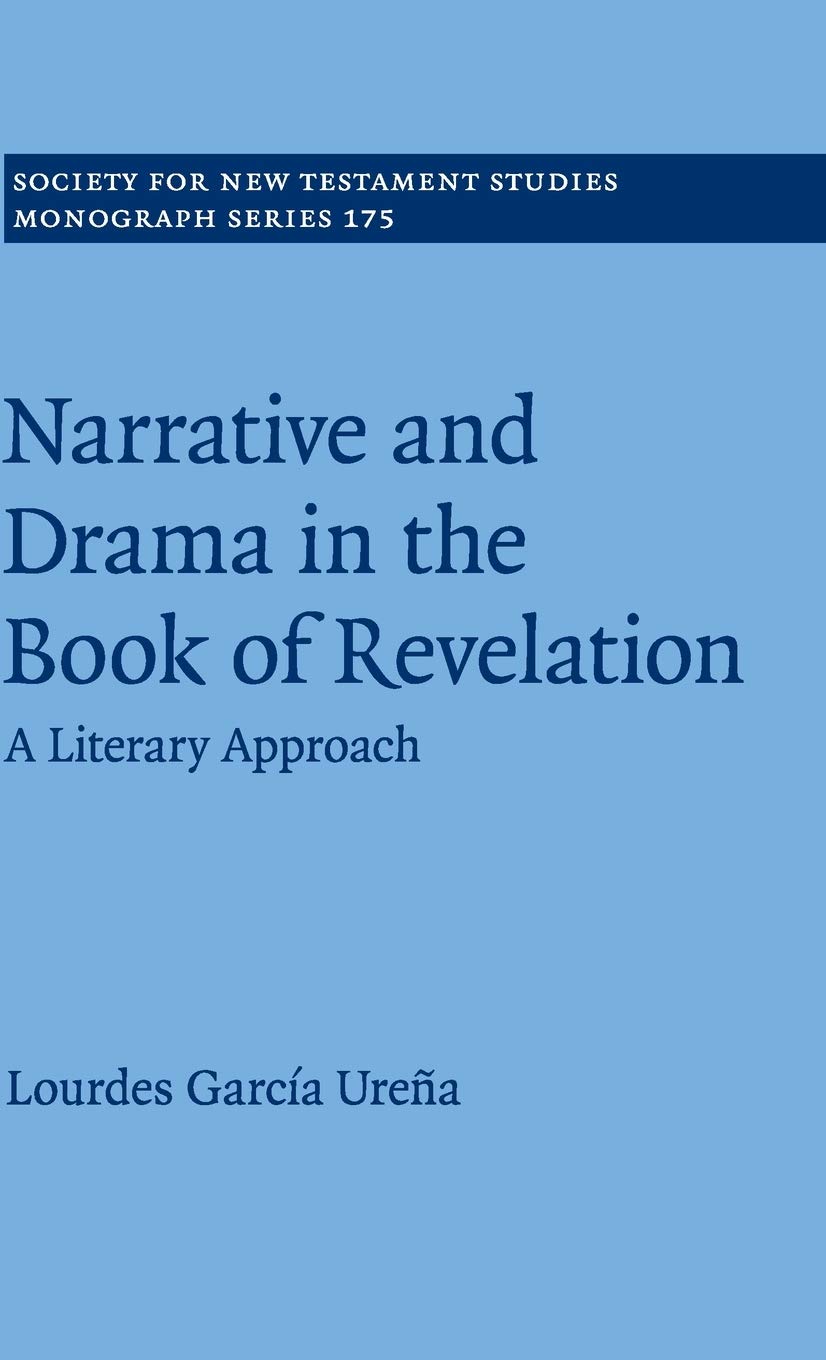
This volume presents a comprehensive literary analysis of the Book of Revelation, treating it as a sophisticated narrative and dramatic work rather than purely as apocalyptic prophecy. The authors examine the text’s compositional structure, character development, symbolic imagery, and rhetorical strategies that create meaning for readers.
By applying contemporary literary criticism approaches, García Ureña and Murphy demonstrate how Revelation employs narrative techniques such as plot progression, point of view, and thematic development to convey its theological message. The study explores how the work functions as drama, with dialogue, conflict, and resolution that engage the audience emotionally and intellectually.
Published as part of the prestigious Society for New Testament Studies Monograph Series, this work contributes significantly to biblical scholarship by showing how literary approaches illuminate the text’s meaning and impact. It will appeal to scholars, theologians, and advanced students interested in New Testament interpretation, biblical narrative, and the literary dimensions of sacred texts.




Reviews
There are no reviews yet.