

Description
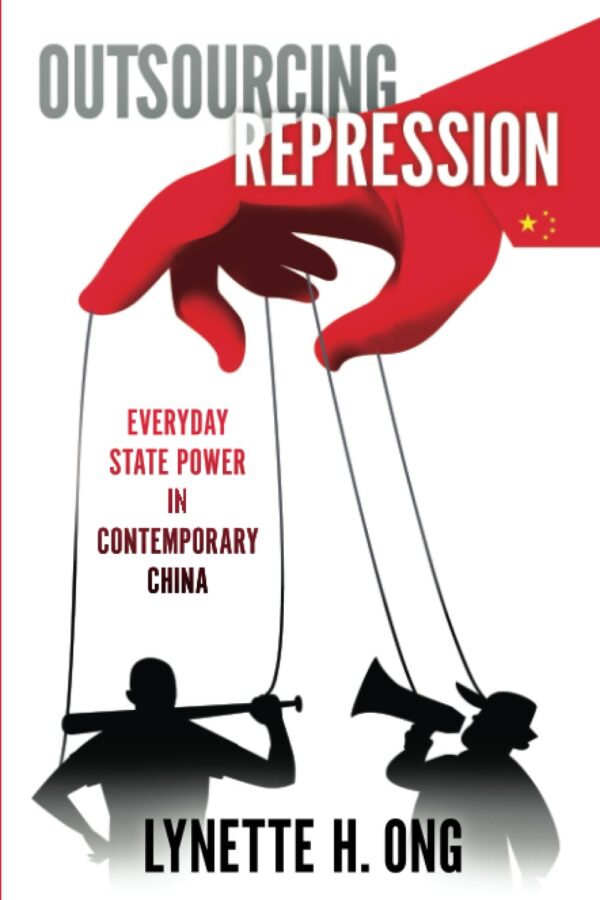
Outsourcing Repression provides a groundbreaking analysis of how the contemporary Chinese state maintains control through indirect mechanisms rather than direct coercion alone. Lynette Ong demonstrates that the Communist Party strategically distributes repressive duties to various non-state actors, including employers, neighborhood committees, and property management companies.
This innovative approach allows the regime to exercise extensive surveillance and social control while maintaining plausible deniability and reducing the visibility of state repression. Ong’s research reveals how ordinary institutions become instruments of governance, effectively embedding authoritarianism into everyday life.
The book challenges conventional understandings of state power by showing how repression operates through decentralized networks rather than centralized command. By examining concrete case studies and institutional practices, Ong illuminates the sophisticated mechanisms that sustain one-party rule in contemporary China.






Reviews
There are no reviews yet.