
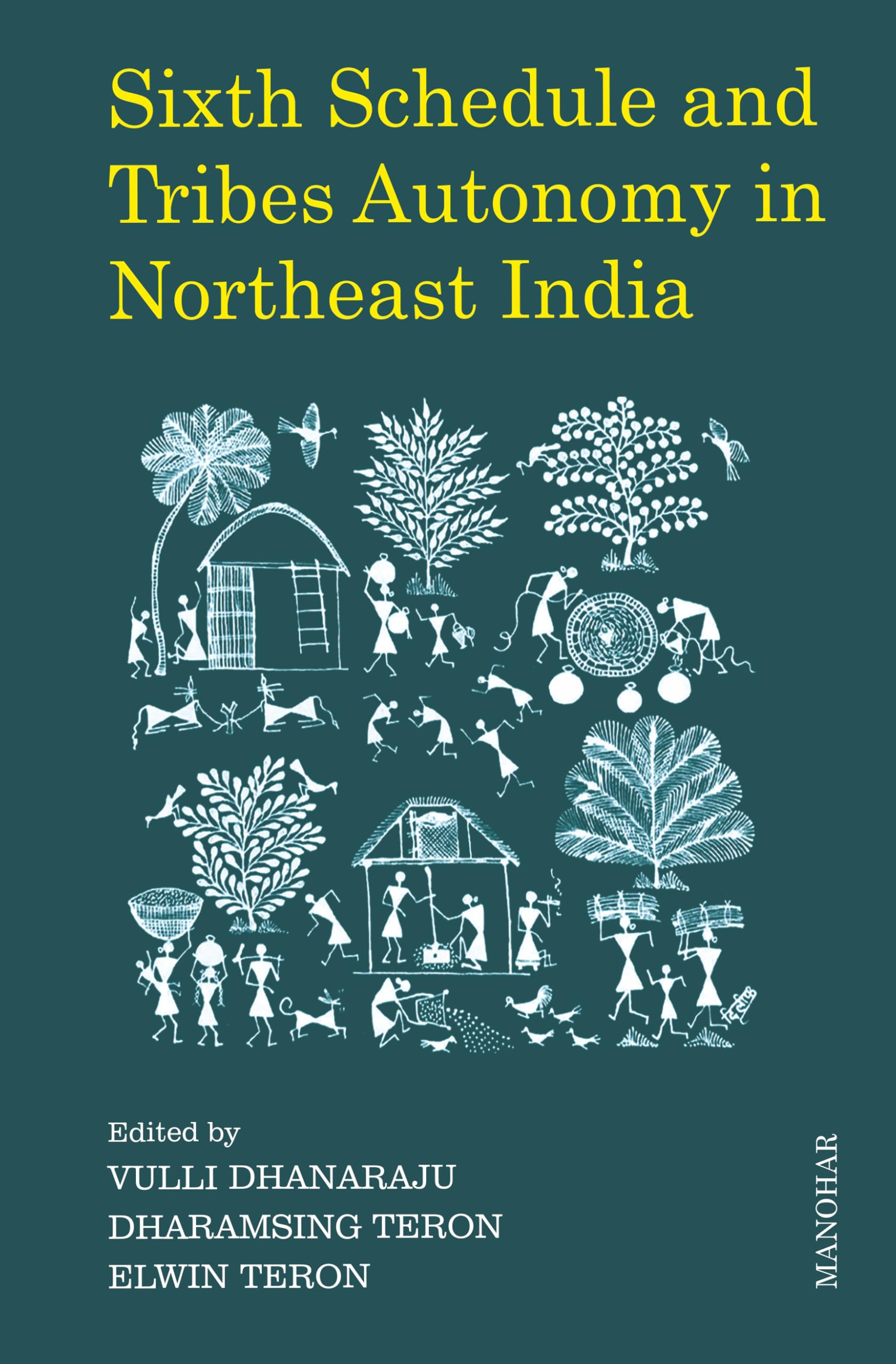
Description
This scholarly work provides an in-depth analysis of the Sixth Schedule of the Indian Constitution and its role in ensuring tribal autonomy in Northeast India. The authors examine how these constitutional provisions have been implemented across various tribal areas and their effectiveness in protecting tribal rights and self-governance.
The book covers the historical context of tribal administration, the evolution of constitutional safeguards, and contemporary challenges faced by tribal communities in exercising autonomy. It offers critical insights into the functioning of autonomous councils, land rights, cultural preservation, and socio-political development of tribal populations.
Through detailed case studies and empirical analysis, the authors highlight the successes and limitations of the Sixth Schedule framework. The work is essential for understanding indigenous governance structures, constitutional law, and tribal affairs in Northeast India, making it valuable for academics, policymakers, and those interested in constitutional provisions affecting tribal communities.




Reviews
There are no reviews yet.