
Description
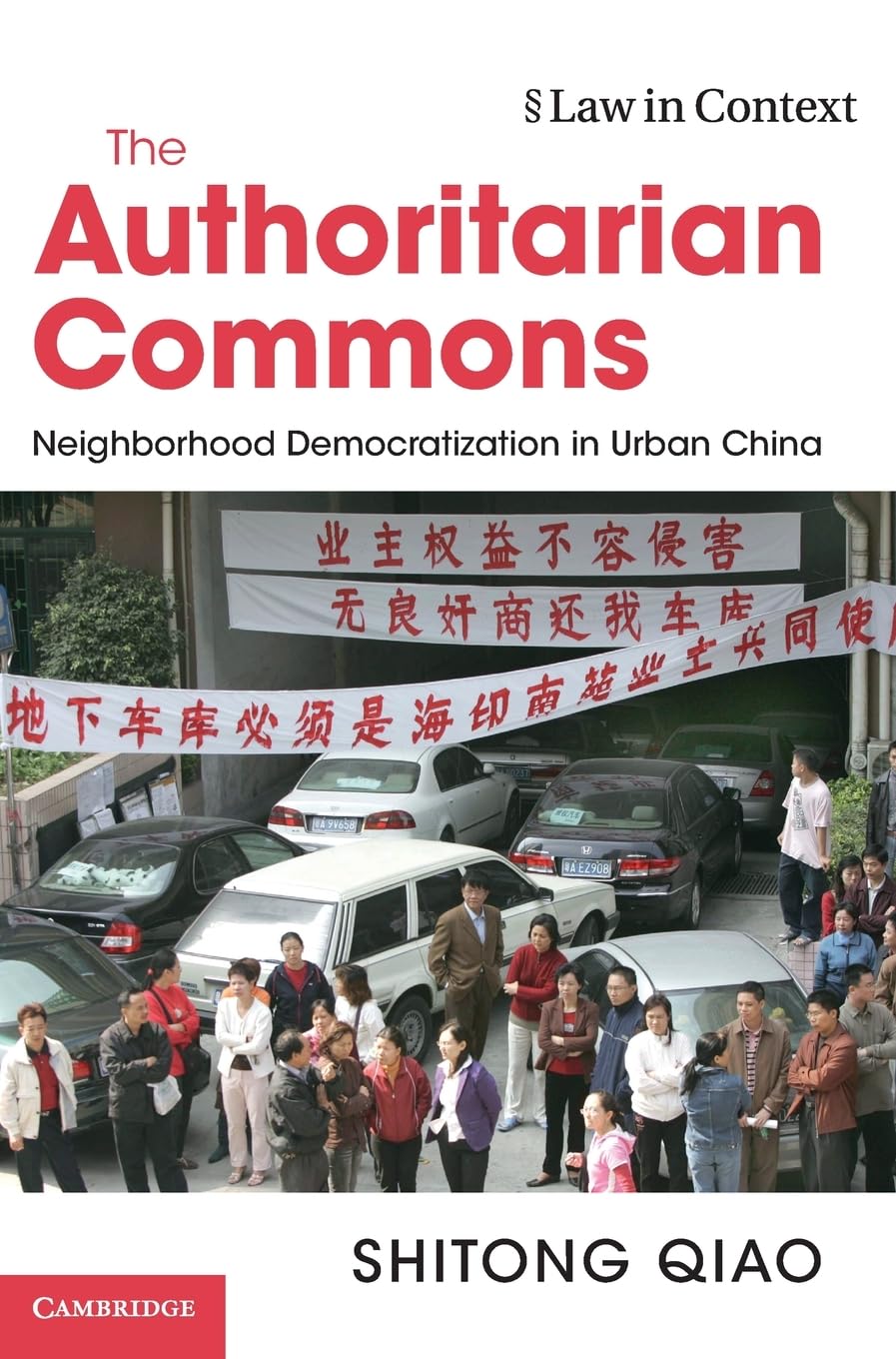
The Authoritarian Commons explores the paradox of democratization within China’s authoritarian political system through the lens of neighborhood governance in urban areas. Shitong Qiao provides an in-depth analysis of how residents’ committees and community organizations navigate the delicate balance between state supervision and citizen participation.
The book challenges conventional assumptions about democracy and authoritarianism by demonstrating how residents engage in democratic practices—such as elections, deliberation, and collective decision-making—despite operating under strict party oversight. Qiao examines how these ‘authoritarian commons’ function as spaces where ordinary citizens exercise agency and voice concerns about local issues while remaining embedded within the broader authoritarian governance structure.
Drawing on extensive fieldwork and empirical research, the author reveals the mechanisms through which neighborhood democratization occurs and its implications for understanding state-society relations in contemporary China. This work is essential for scholars of Chinese politics, urban governance, law, and anyone interested in how democratic practices emerge and persist in non-democratic contexts.






Reviews
There are no reviews yet.