
Description
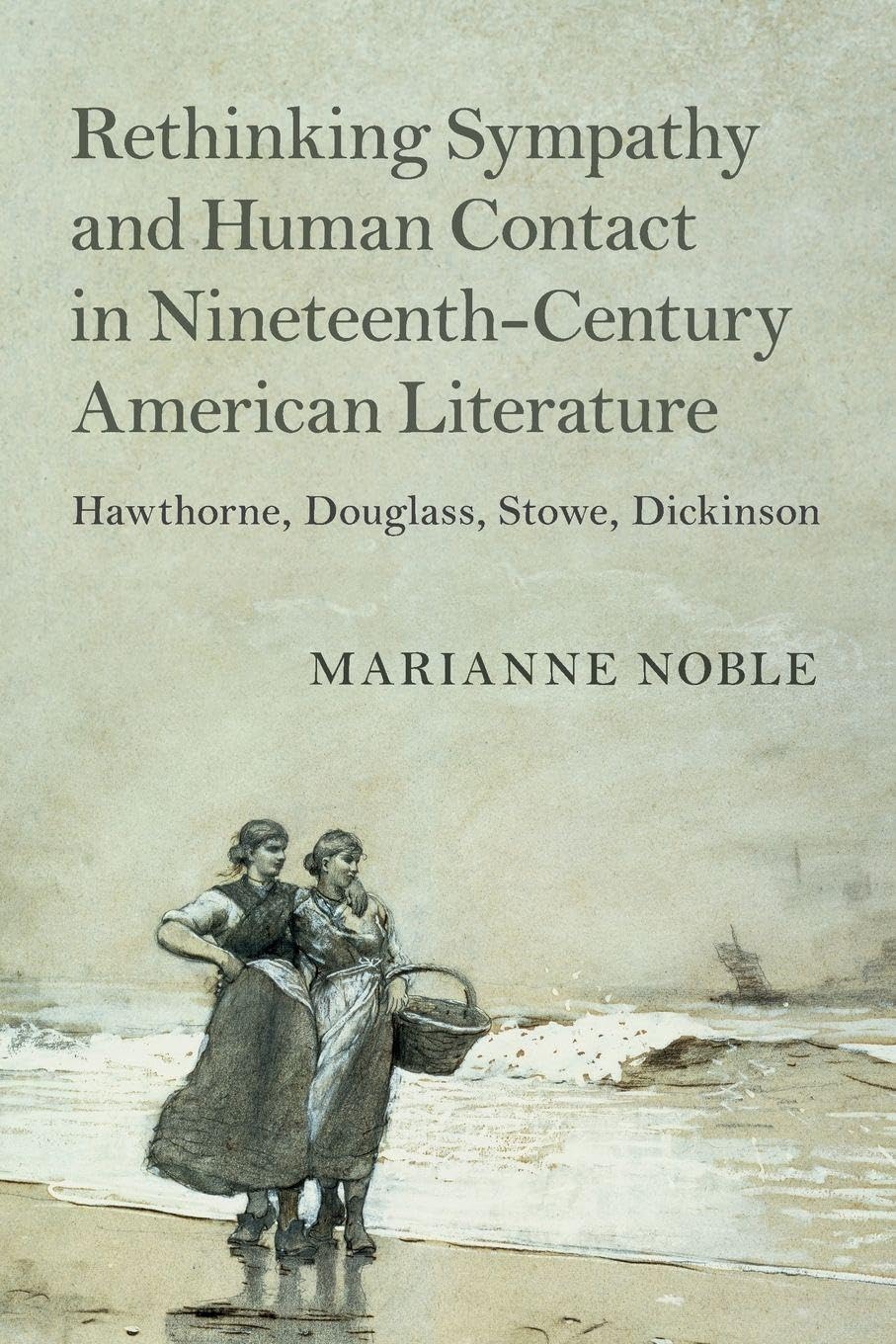
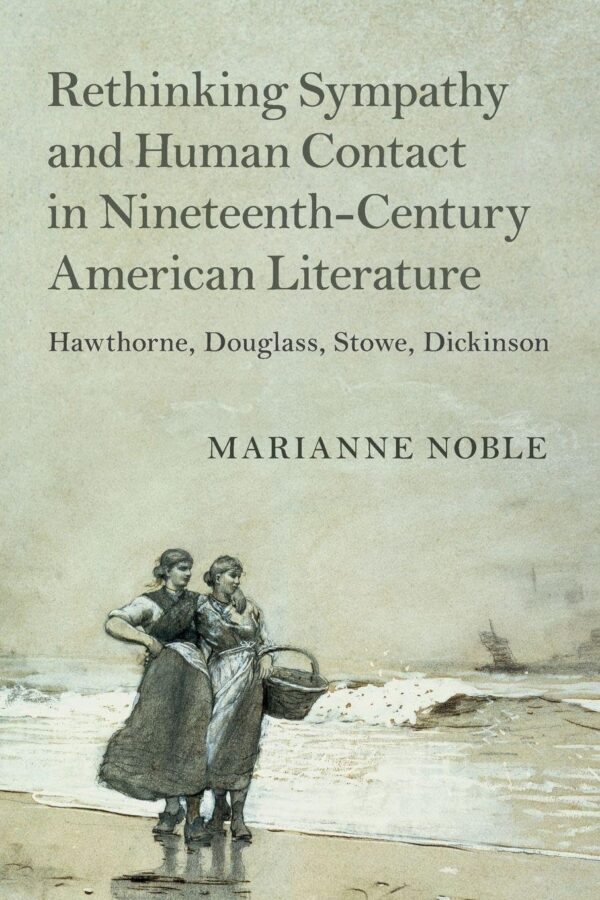
Marianne Noble’s Rethinking Sympathy and Human Contact in Nineteenth-Century American Literature offers a groundbreaking analysis of how four major American writers—Nathaniel Hawthorne, Frederick Douglass, Harriet Beecher Stowe, and Emily Dickinson—reconceptualized sympathy and interpersonal relationships during the nineteenth century.
Noble traces how these authors challenged conventional notions of empathy and emotional expression, particularly in relation to slavery, gender, and social alienation. Through close textual analysis, she demonstrates that Hawthorne’s moral ambiguity, Douglass’s rhetorical power, Stowe’s sentimental interventions, and Dickinson’s psychological interiority collectively reshaped American literary understanding of human connection. This volume contributes significantly to American literary history and cultural studies by revealing how literature served as a space for reimagining sympathy beyond sentimental conventions.


Reviews
There are no reviews yet.