
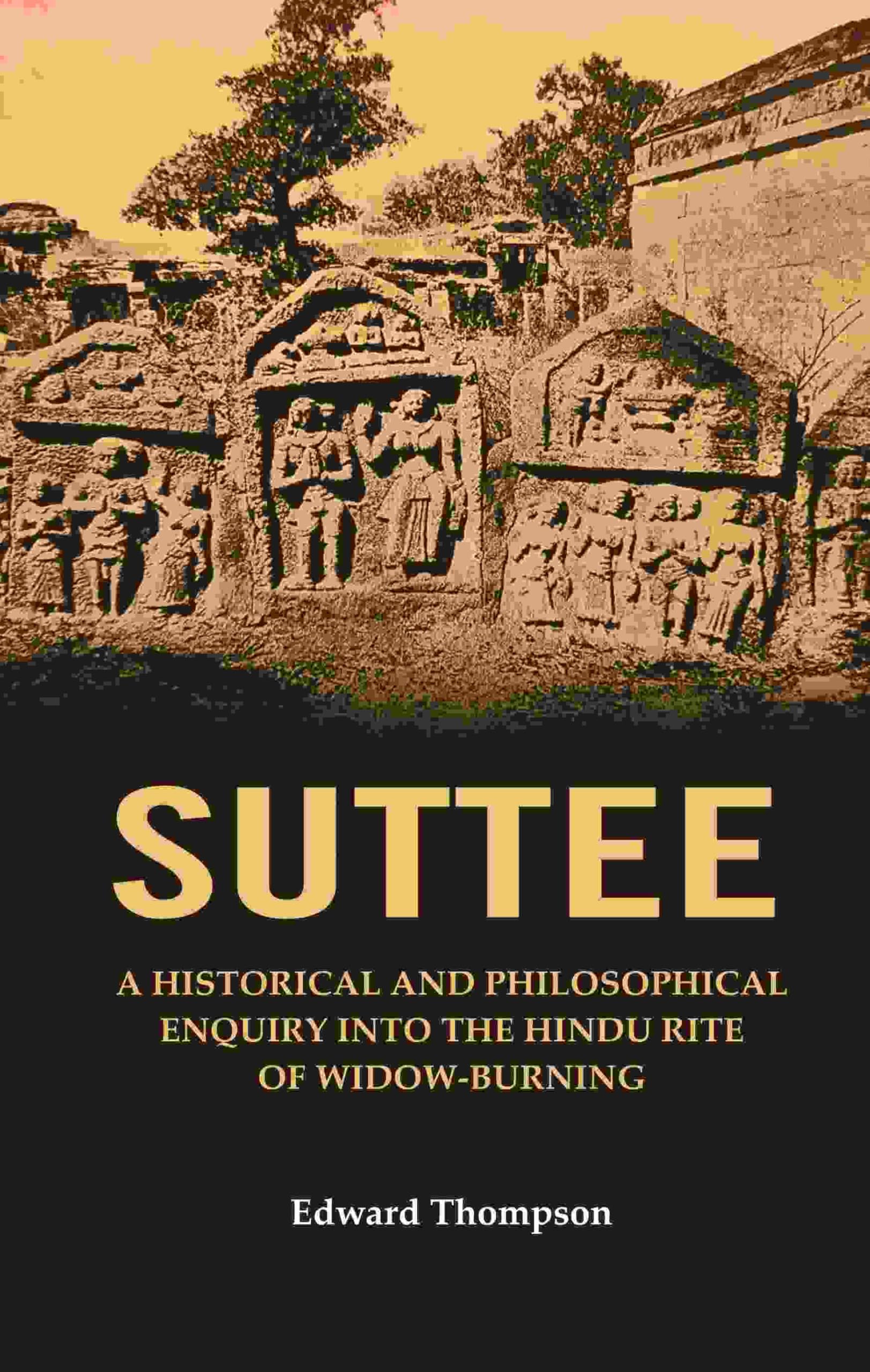
Description
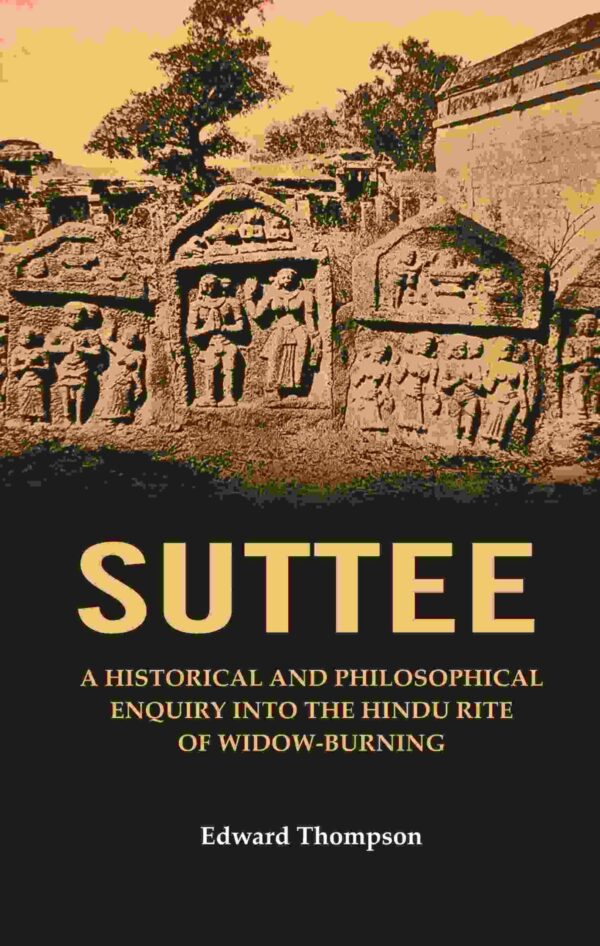
Edward Thompson’s seminal work offers a detailed investigation into suttee, the Hindu practice of widow-burning that persisted for centuries across the Indian subcontinent. This scholarly enquiry combines historical documentation with philosophical analysis to understand the cultural, religious, and social factors that sustained this ritual practice.
Thompson examines the practice from multiple perspectives, including its theological justifications, regional variations, and the complex circumstances that led to its prohibition under British colonial rule. Rather than presenting a simplistic moral judgment, the author contextualizes suttee within Hindu philosophy, examining concepts of dharma, devotion, and widow status in traditional Indian society.
The work serves as an essential academic resource for understanding controversial religious practices, colonialism’s impact on indigenous traditions, and the intersection of religion, gender, and power in Indian history. Thompson’s balanced approach makes this text invaluable for historians, religious scholars, and those studying the complex legacy of British India.


Reviews
There are no reviews yet.