
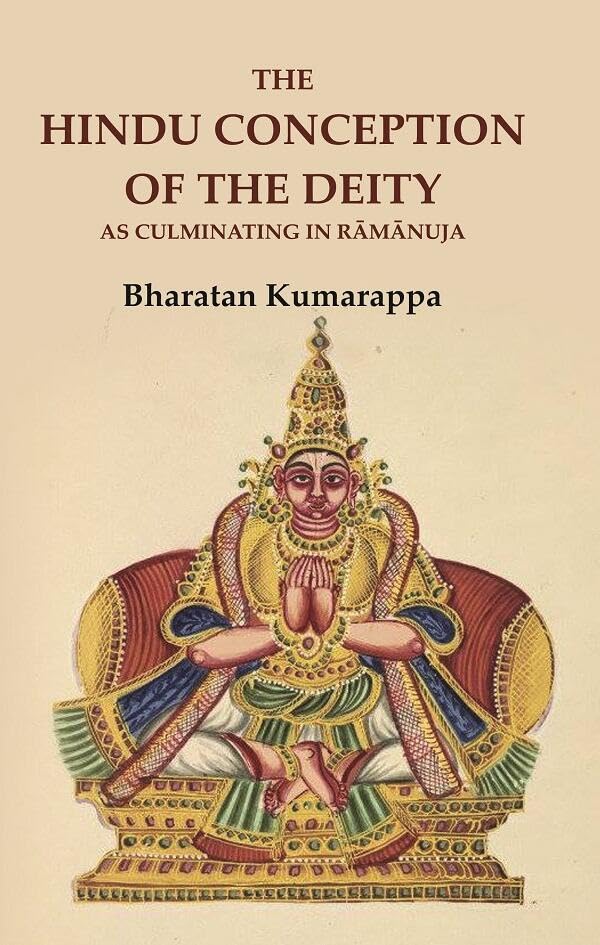
Description
This comprehensive scholarly work examines the evolution of Hindu philosophical conceptions of the deity, tracing ideas from the earliest Vedic texts through classical Hindu philosophy. The author provides detailed analysis of how various schools of Hindu thought approached questions of divine nature, attributes, and relationship to the cosmos and human consciousness.
The primary focus is on the theology of Rāmānuja, the 11th-century Hindu philosopher and theologian whose Viśiṣṭādvaita (qualified non-dualism) represents a culminating point in Hindu religious philosophy. Kumarappa demonstrates how Rāmānuja’s conception synthesizes earlier ideas while presenting innovative theological perspectives on the nature of Brahman, individual souls, and the material world.
Essential reading for scholars of Hindu philosophy, comparative religion, and theological studies, this work provides rigorous academic analysis suitable for both specialists and informed general readers interested in understanding the intellectual depth of Hindu spiritual traditions.
Reviews
There are no reviews yet.