

Description
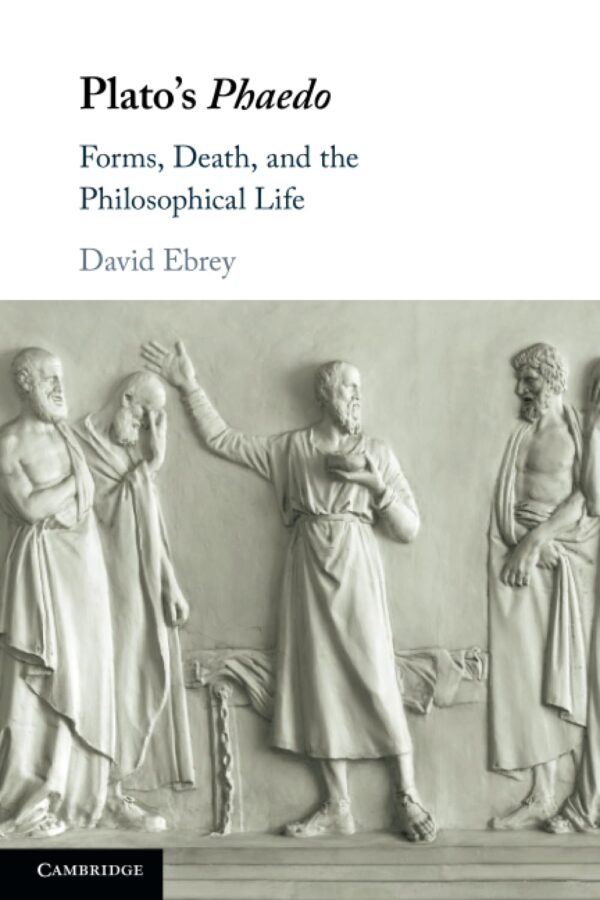
David Ebrey’s scholarly work provides an in-depth examination of Plato’s Phaedo, one of philosophy’s most influential dialogues. The book explores the central themes of the Forms, Plato’s theory of abstract, unchanging entities that constitute true reality, and how this metaphysical framework relates to questions about death and the immortality of the soul.
Ebrey analyzes how Socrates uses philosophical argument to comfort his disciples on the day of his execution, presenting the Forms as evidence that the soul is immortal and eternal. The author contextualizes these arguments within ancient Greek philosophy and examines their logical strengths and weaknesses. The work also considers what Plato means by the philosophical life and how the pursuit of wisdom through dialectic connects to the ultimate goal of understanding eternal truths.
This accessible yet rigorous interpretation is essential for students and scholars interested in Platonic philosophy, metaphysics, and classical thought.





Reviews
There are no reviews yet.