
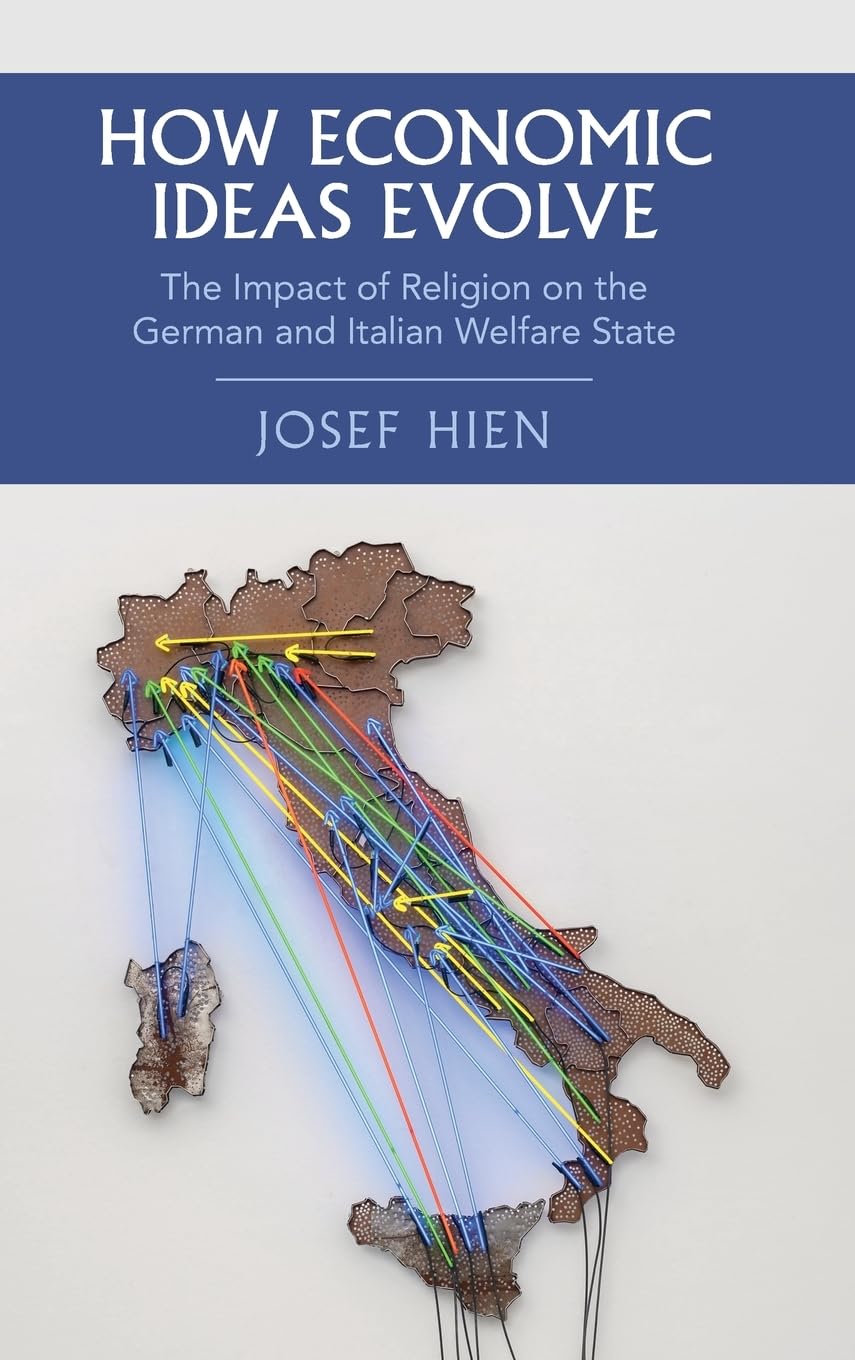
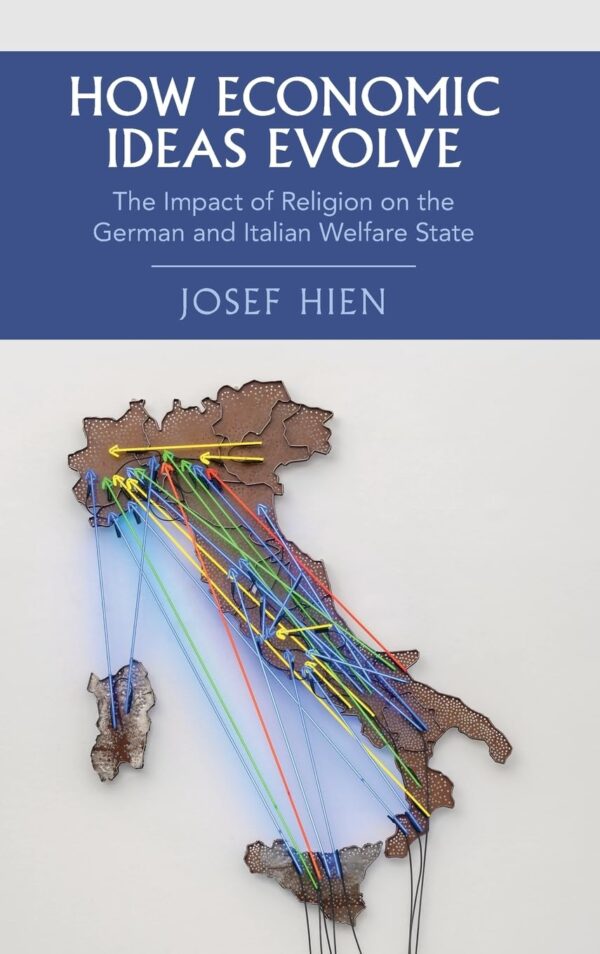
Description
How Economic Ideas Evolve investigates the profound influence of religious thought on the development of welfare states in Germany and Italy. Josef Hien demonstrates that religious ideas, particularly those rooted in Christian social doctrine, fundamentally shaped how policymakers approached economic organization and social protection.
Through historical analysis, this work reveals that welfare state development cannot be understood purely through secular economic theory. Instead, Hien argues that religious frameworks provided crucial intellectual foundations for welfare policies, influencing debates about social responsibility, economic justice, and the role of the state.
The book traces how different religious traditions influenced distinct welfare models in each country, showing that Germany and Italy’s divergent welfare trajectories reflect their unique religious and cultural contexts. This comparative historical sociology approach offers new insights into how ideas, culture, and religious values intersect with economic policymaking and institutional change.




Reviews
There are no reviews yet.