
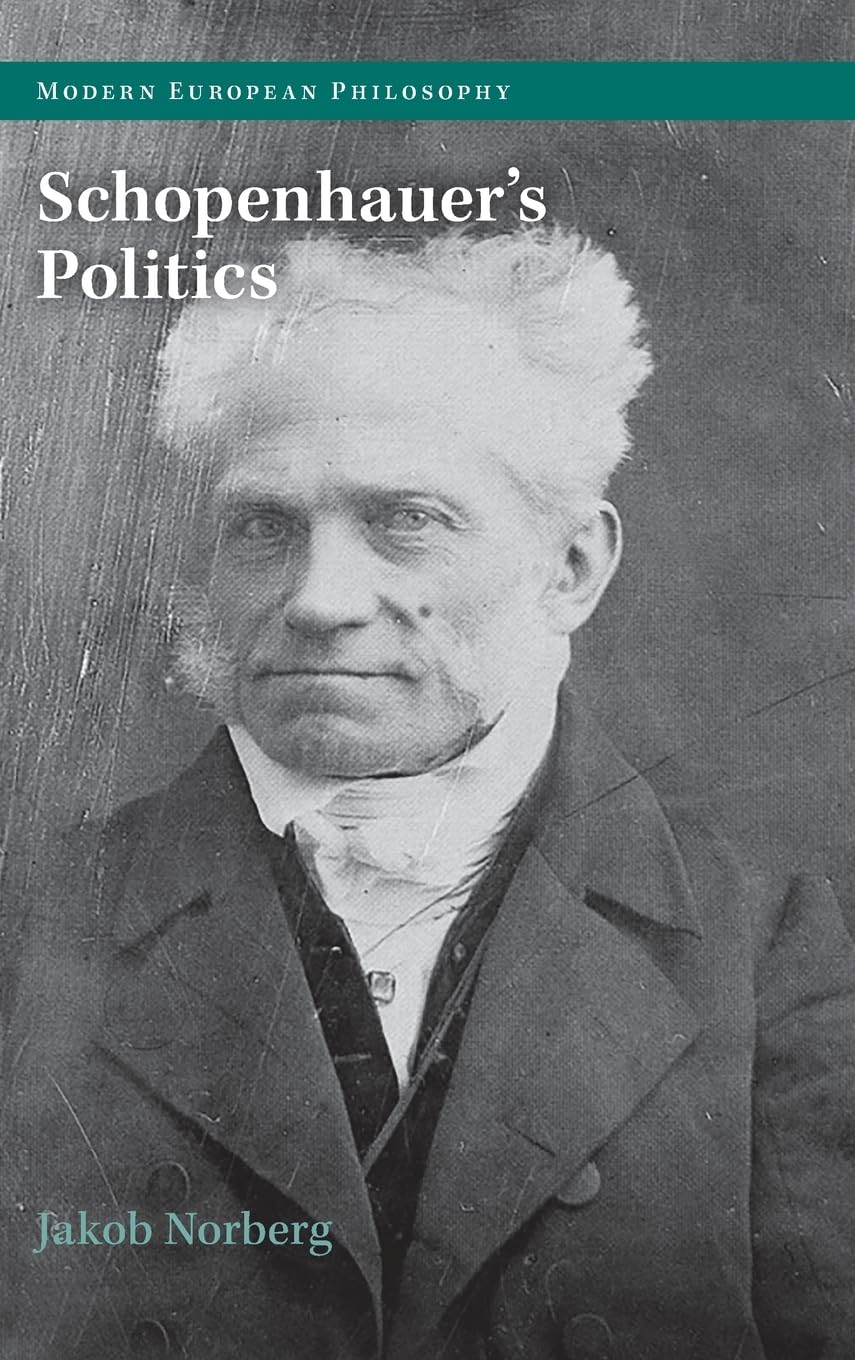
Description
Schopenhauer’s Politics offers a thorough analysis of the political dimensions of Arthur Schopenhauer’s philosophy, challenging the common perception that his work lacks political relevance. Jakob Norberg demonstrates how Schopenhauer’s metaphysics and ethics directly inform his views on state, law, and social order, providing a coherent political philosophy grounded in his broader intellectual system.
This study examines Schopenhauer’s critique of the social contract tradition, his perspective on human nature and conflict, and his vision of political organization. Norberg contextualizes these ideas within nineteenth-century European political discourse while highlighting their continued significance for contemporary political theory. The book reveals how Schopenhauer’s pessimism about human nature paradoxically generates insights into governance, justice, and the limits of political solutions to human suffering.
Essential for scholars of nineteenth-century philosophy, political theory, and the history of European ideas, this work enriches our understanding of one of philosophy’s most influential yet often misunderstood thinkers.





Reviews
There are no reviews yet.