
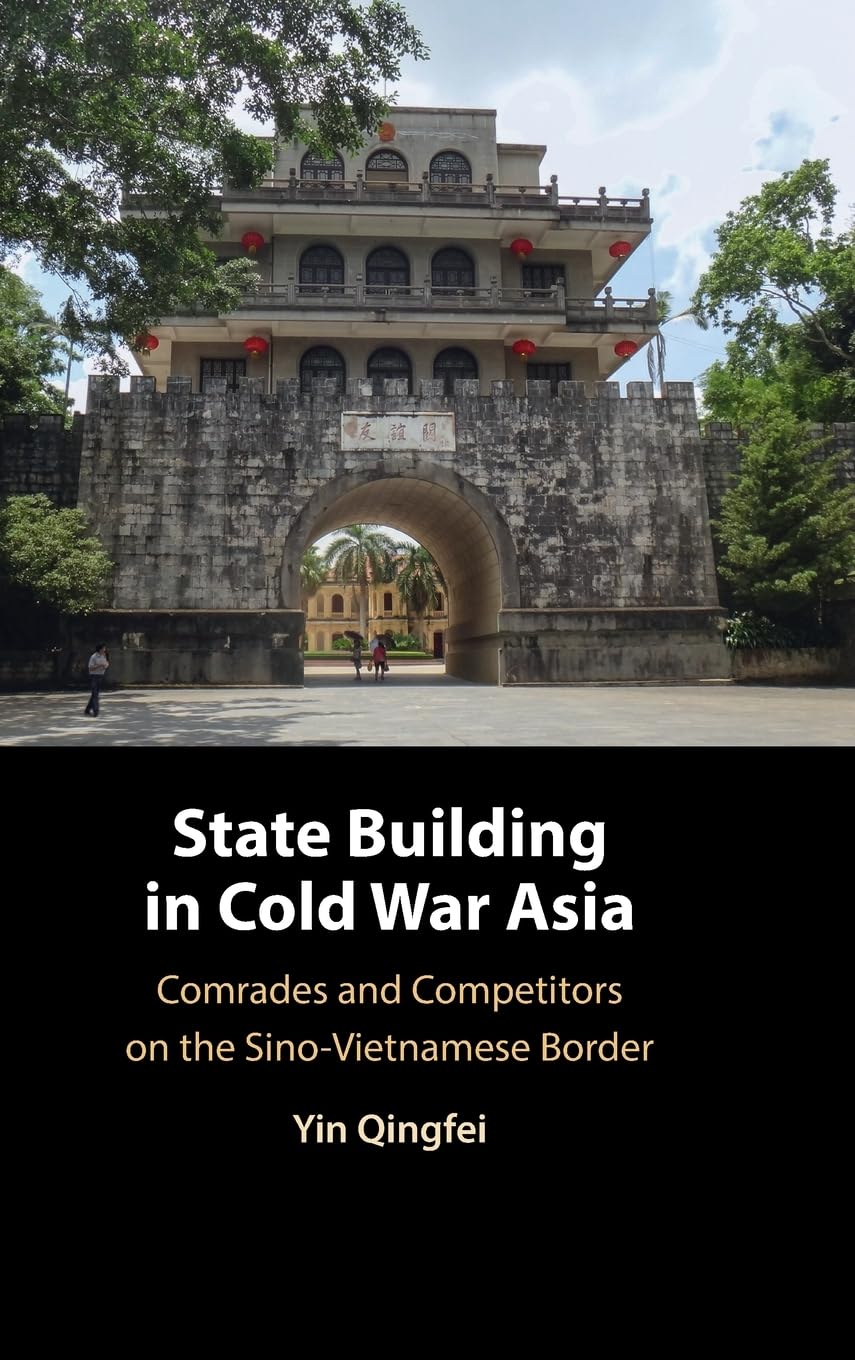
Description
State Building in Cold War Asia provides a comprehensive analysis of how China and Vietnam constructed their respective state systems while maintaining a contentious border relationship during the Cold War period. Through detailed historical examination, Qingfei Yin demonstrates how both nations used state-building initiatives as tools for consolidating power, establishing territorial control, and projecting nationalist narratives despite their shared communist ideology.
The book explores the paradox of communist comradeship versus nationalist competition, revealing how local populations, administrative structures, and ideological frameworks shaped the border regions. Yin investigates the institutional developments, policy implementations, and social transformations that occurred on both sides of the Sino-Vietnamese border, offering insights into how Cold War geopolitics influenced state formation in Asia.
This scholarly work contributes significantly to understanding post-colonial state development, the Sino-Soviet split’s regional impacts, and the enduring territorial disputes that continue to affect East and Southeast Asia.




Reviews
There are no reviews yet.