
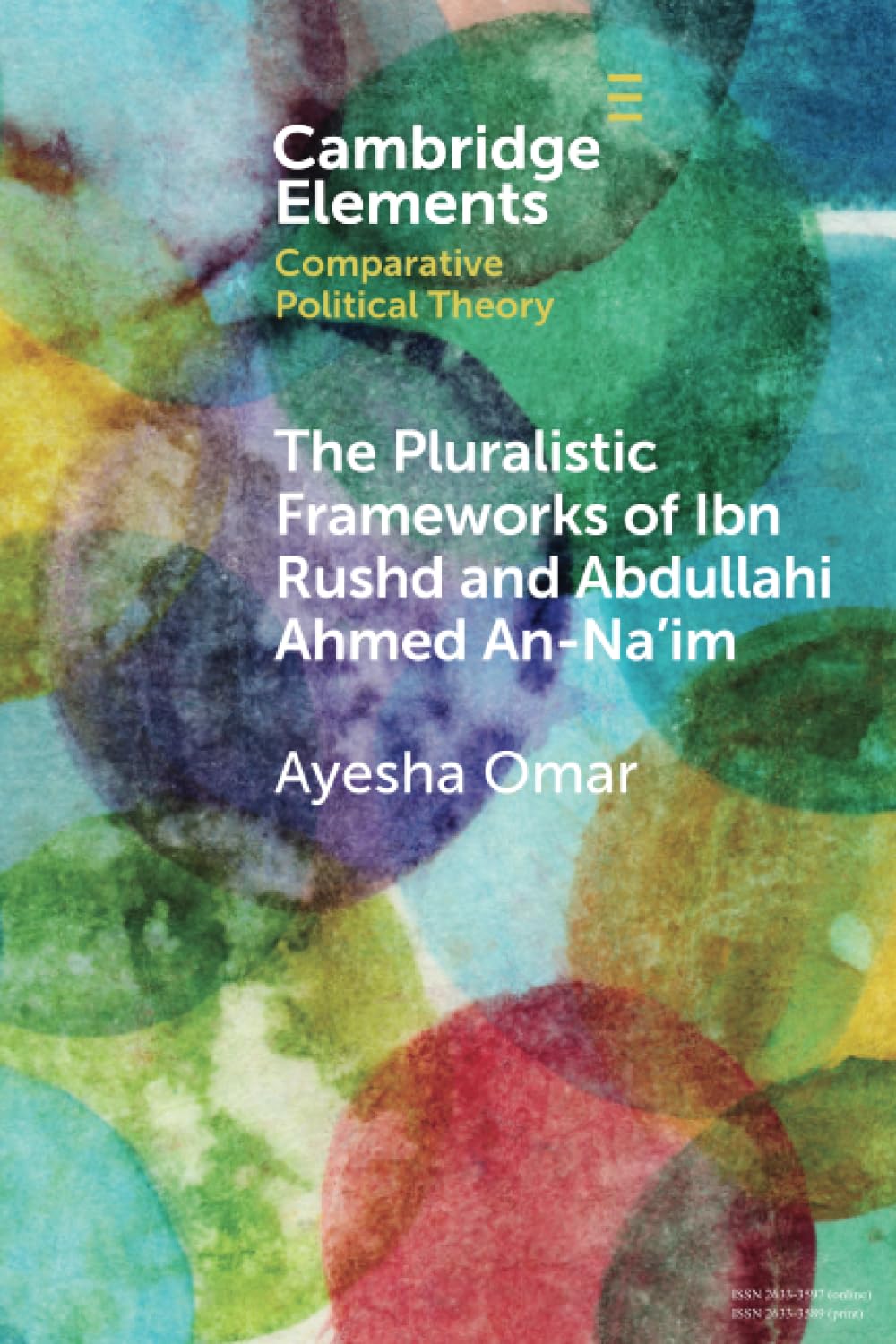
Description
This Element in Comparative Political Theory provides a detailed examination of the political philosophies of Ibn Rushd (Averroes) and Abdullahi Ahmed An-Na’im, two major Islamic thinkers separated by centuries yet united in their commitment to pluralistic frameworks. Ayesha Omar traces how both philosophers grapple with fundamental questions about the role of reason in interpreting religious texts, the compatibility of Islamic principles with democratic governance, and the accommodation of religious and secular perspectives within political systems.
The book demonstrates how Ibn Rushd’s medieval synthesis of Aristotelian philosophy with Islamic thought provides important precedents for An-Na’im’s contemporary theory of Islamic constitutionalism. By analyzing their respective approaches to law, authority, and community, Omar reveals enduring insights about how Islamic political tradition can support pluralism, tolerance, and inclusive governance structures.



Reviews
There are no reviews yet.