
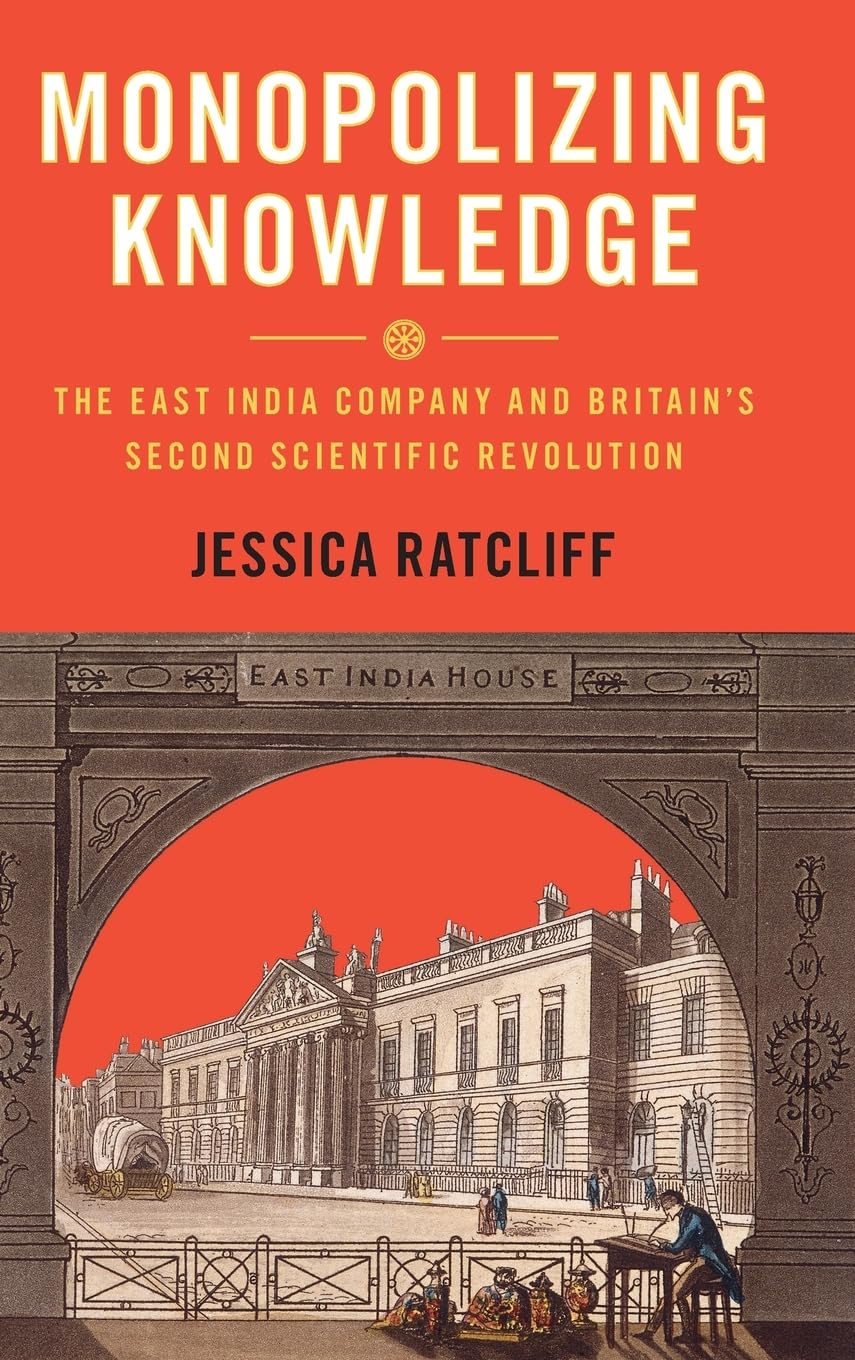
Description
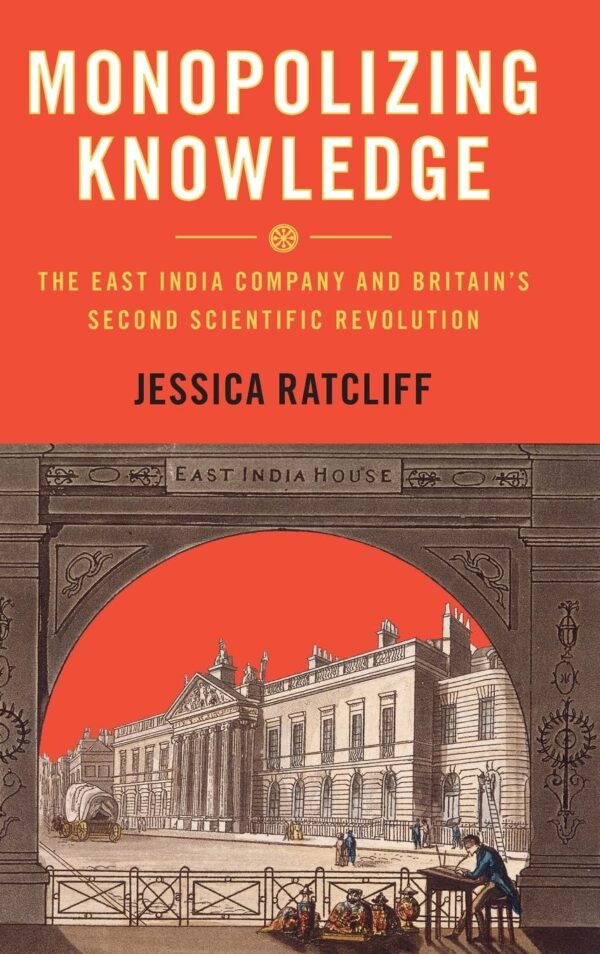
Monopolizing Knowledge explores the crucial but often overlooked role of the East India Company in Britain’s scientific advancement. Jessica Ratcliff demonstrates how this powerful commercial enterprise fundamentally influenced the development of natural philosophy and scientific practice during the second scientific revolution.
Rather than viewing science as an independent pursuit of pure knowledge, Ratcliff reveals how the Company’s monopoly on trade, resources, and information shaped what scientists studied, how they conducted research, and which discoveries received recognition. The book traces how colonial expansion, commercial networks, and imperial ambitions became intertwined with scientific authority and knowledge production.
Through detailed historical analysis, Ratcliff shows how the East India Company’s control over exotic materials, specimens, and data from Asia transformed European understanding of the natural world. This groundbreaking work challenges conventional narratives of scientific progress and reveals the complex relationship between commerce, empire, and the advancement of science in early modern Britain.

Reviews
There are no reviews yet.