
Description
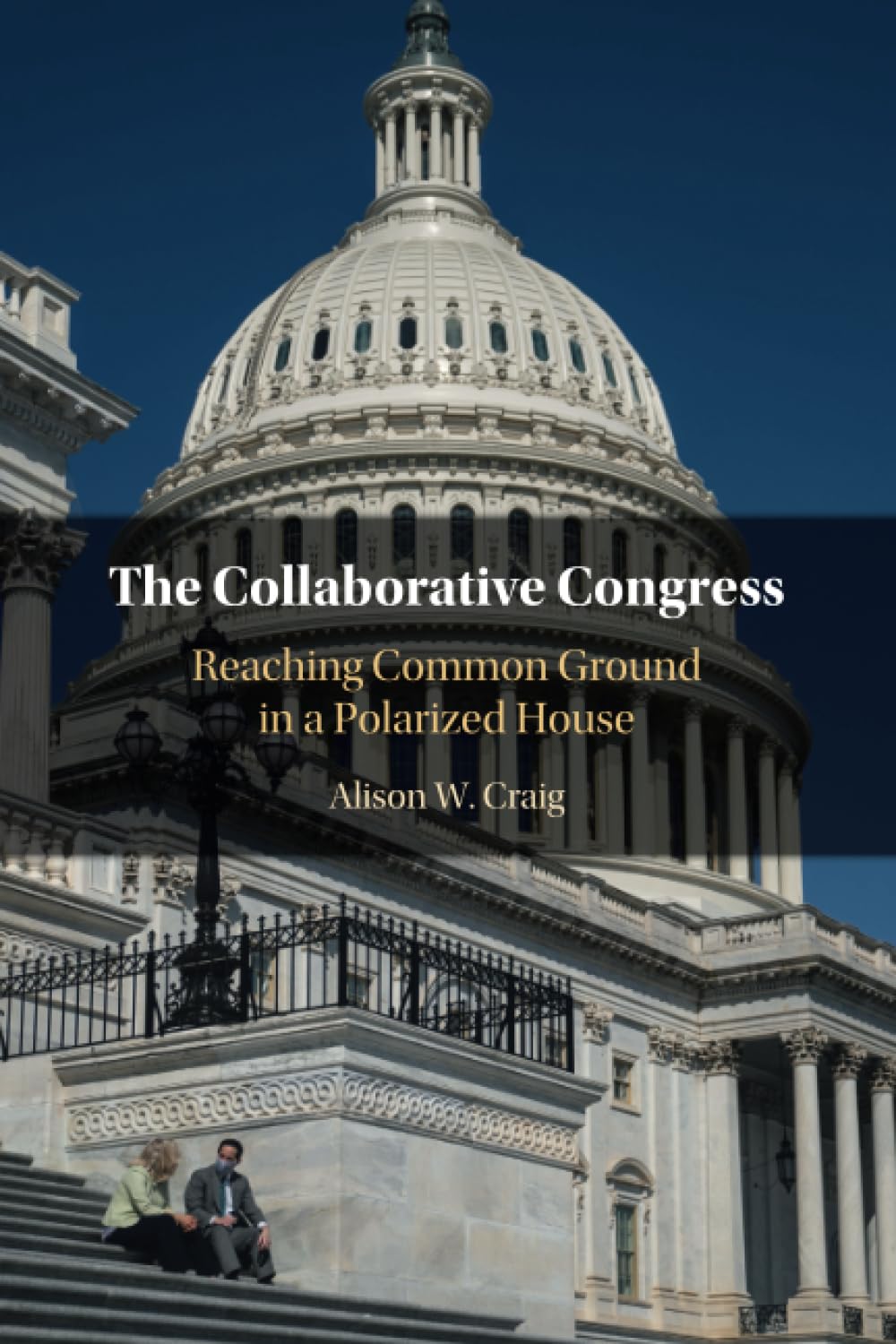
The Collaborative Congress provides an in-depth analysis of institutional and procedural reforms designed to reduce partisan gridlock in the U.S. House of Representatives. Alison W. Craig argues that despite deep ideological differences, Congress has the capacity to function more effectively through deliberate collaborative practices and structural changes.
Drawing on historical examples, contemporary case studies, and interviews with lawmakers, Craig identifies specific barriers to cooperation and proposes actionable solutions. The book examines committee work, legislative procedures, and informal networks that can facilitate bipartisan dialogue and compromise. Rather than focusing on changing individual politicians’ beliefs, Craig emphasizes how institutional design and procedural reforms can create environments where collaboration becomes more natural and productive.
Essential reading for political scientists, policymakers, and citizens interested in understanding how Congress can overcome polarization and address national challenges through effective collaboration.






Reviews
There are no reviews yet.