
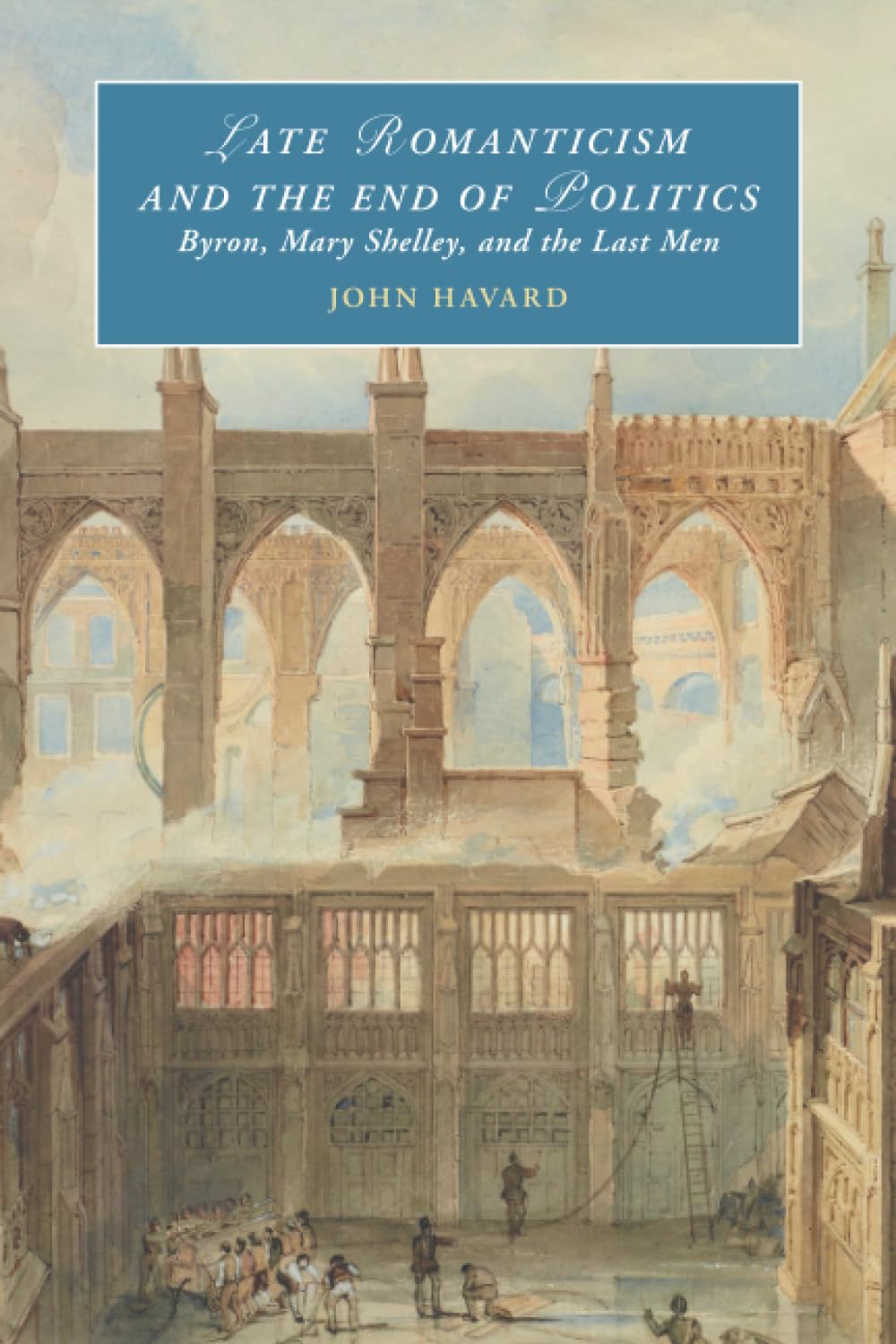
Description
This Cambridge Studies in Romanticism volume investigates the political philosophy and literary innovations of two major Romantic figures during a period of significant historical upheaval. John Havard traces how Byron and Mary Shelley responded to the failure of revolutionary ideals and the consolidation of conservative political power in post-Napoleonic Europe.
The book demonstrates that rather than abandoning political concerns entirely, these writers developed sophisticated critiques of politics itself through their literary works. By examining texts such as Byron’s later satires and Shelley’s The Last Man, Havard reveals how late Romantic literature grapples with questions of individual agency, collective action, and the possibility of meaningful social change. The study offers fresh perspectives on how Romanticism evolved as political circumstances transformed, ultimately reshaping our understanding of the relationship between literature and politics in this crucial period.
Reviews
There are no reviews yet.