
Description
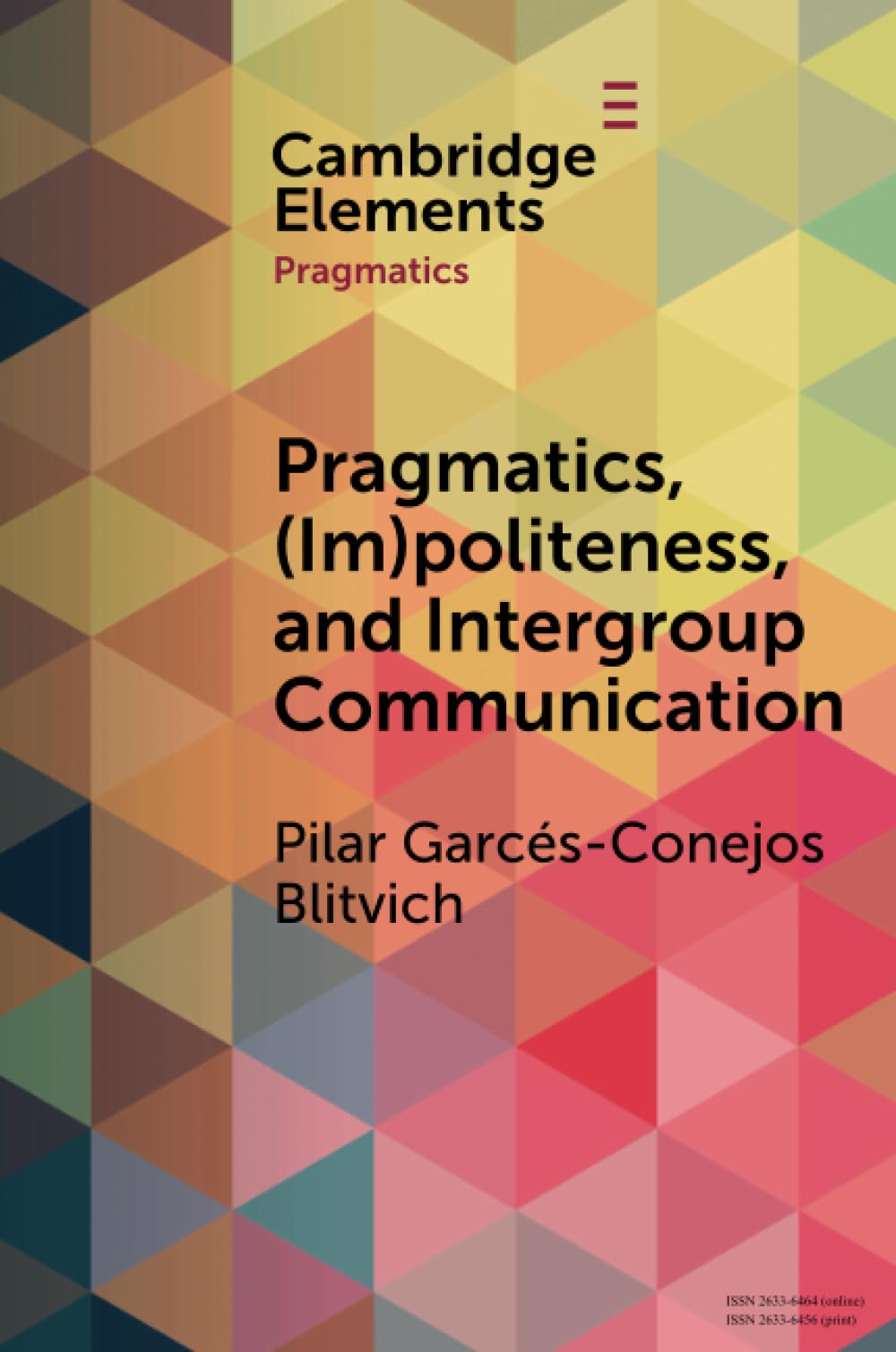
This scholarly volume explores cancel culture as a complex communicative phenomenon, examining it through multiple theoretical frameworks including pragmatics, politeness theory, and intergroup communication studies. Blitvich conducts a detailed discursive analysis of how individuals and groups navigate social accountability, criticism, and exclusion in contemporary contexts.
The book investigates the linguistic and communicative strategies employed during cancel culture incidents, exploring questions of power, identity, and social norms. By applying rigorous analytical methods, the author demonstrates how politeness conventions, face-threatening acts, and group dynamics shape these modern communication patterns.
Part of the Elements in Pragmatics series, this work bridges theoretical linguistics with real-world social phenomena, offering insights for scholars, students, and practitioners interested in digital communication, sociolinguistics, and contemporary social discourse.






Reviews
There are no reviews yet.