
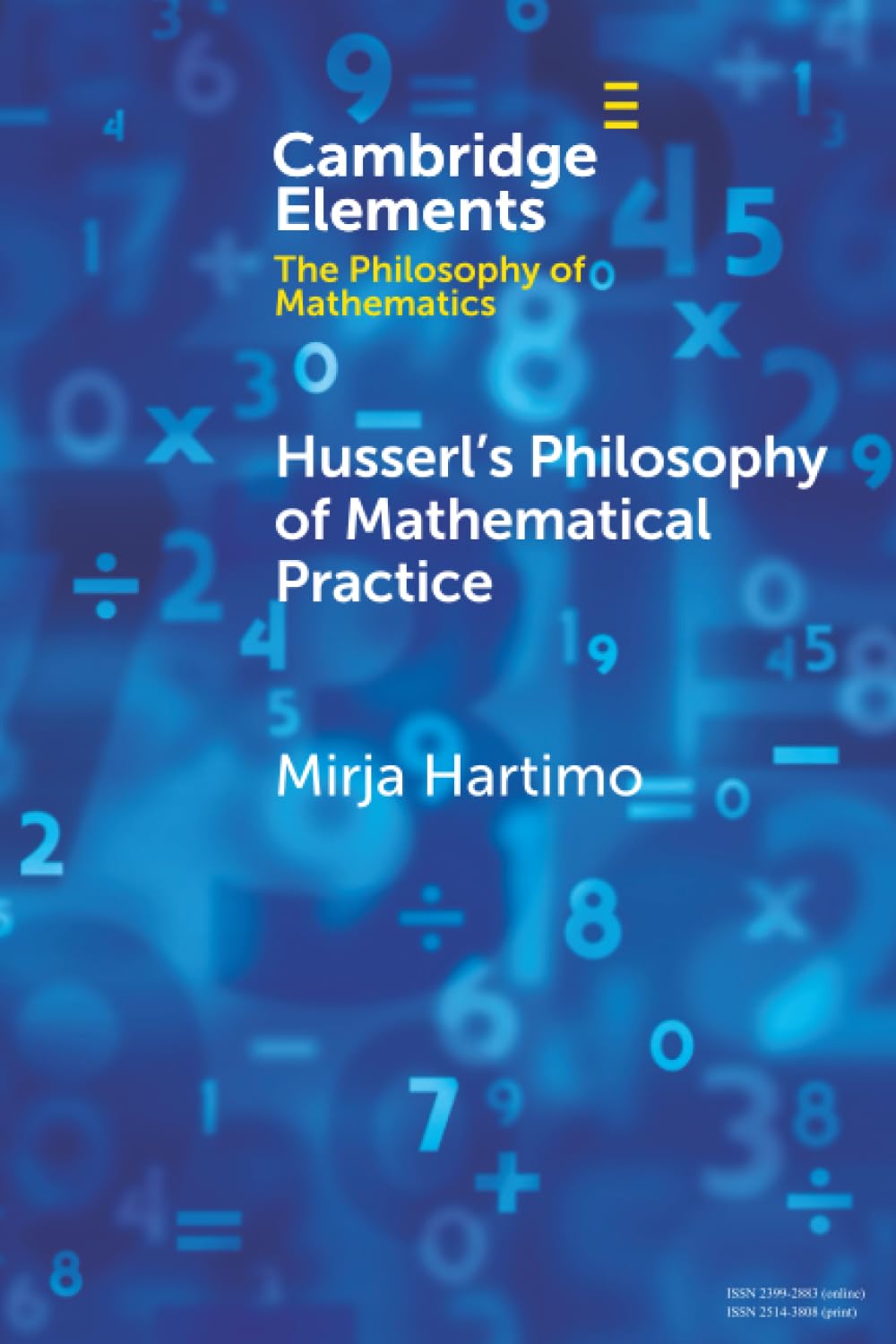
Description
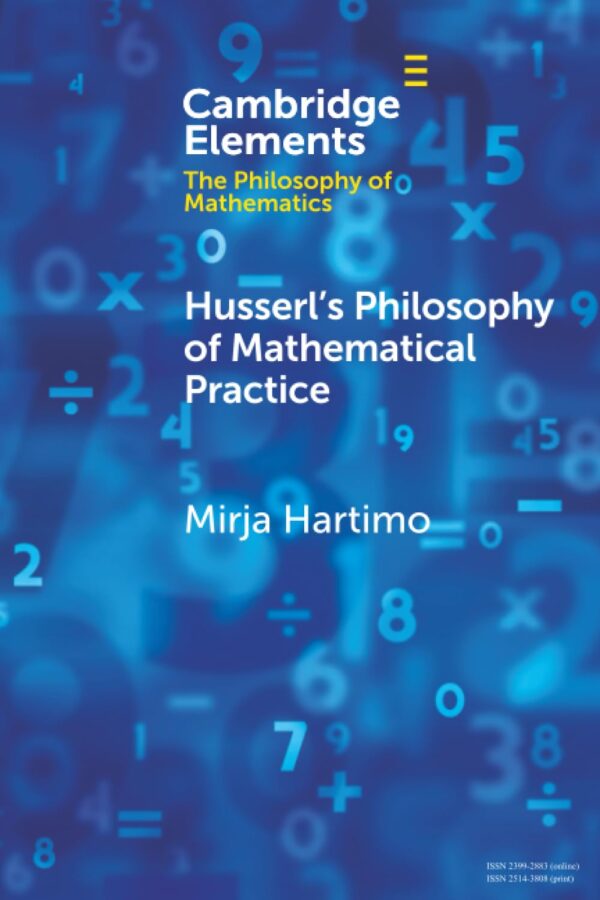
This book presents a comprehensive analysis of Edmund Husserl’s philosophy of mathematical practice, offering new insights into how phenomenology engages with mathematical thought. Hartimo demonstrates that Husserl’s approach to mathematics extends beyond traditional epistemological concerns to address the actual practices and methods mathematicians employ.
The work explores foundational questions about mathematical intuition, abstraction, and the constitution of mathematical objects. By examining Husserl’s phenomenological investigations, the book reveals how mathematical practice involves both formal operations and meaningful intentional acts. Hartimo argues that understanding Husserl’s philosophy provides valuable perspectives on contemporary debates in philosophy of mathematics, including discussions of mathematical objectivity, rigor, and the relationship between formal systems and mathematical meaning.
This Element contributes to ongoing discussions about the role of consciousness and experience in mathematical knowledge, bridging classical phenomenological insights with modern philosophy of mathematics.

Reviews
There are no reviews yet.