
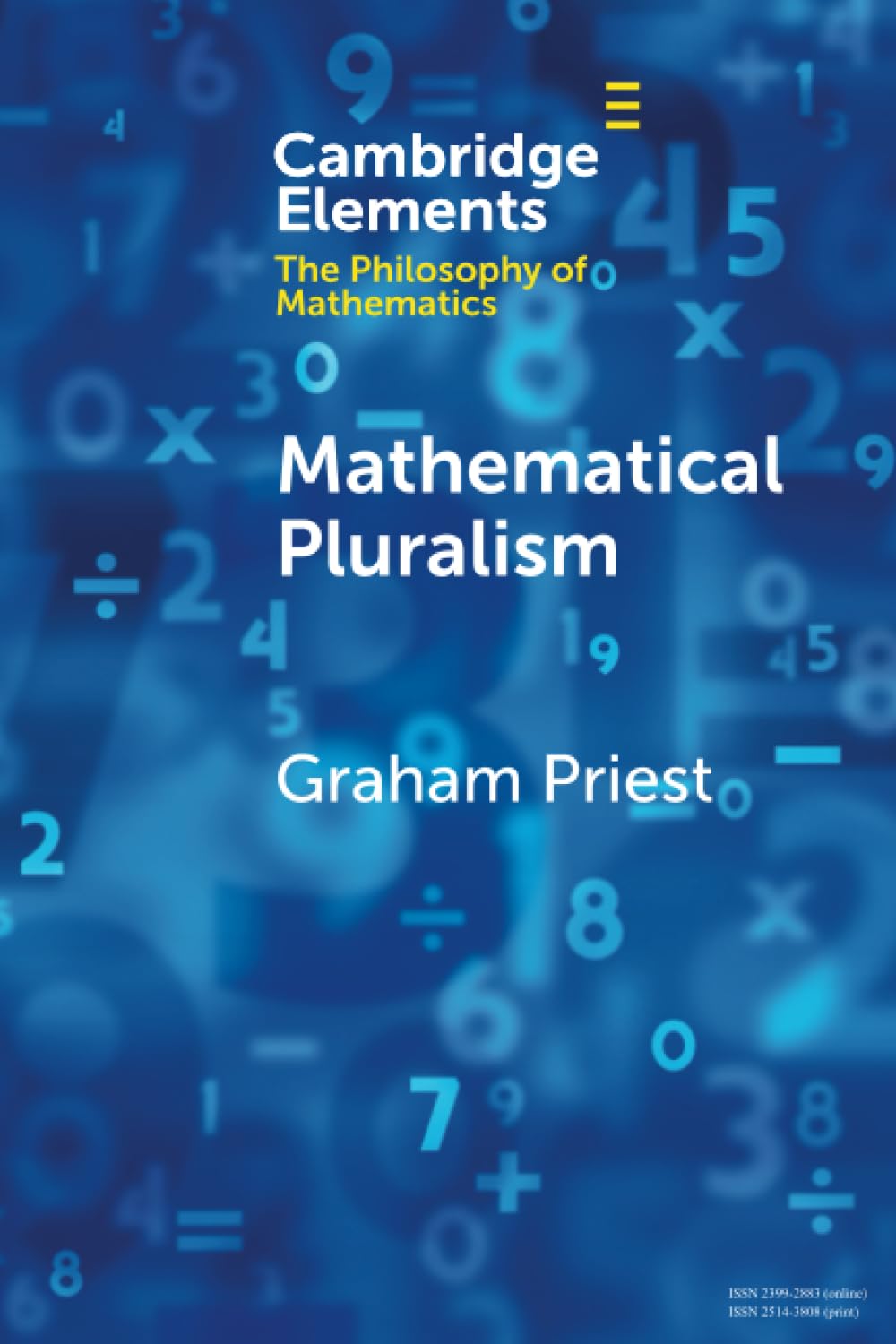
Description
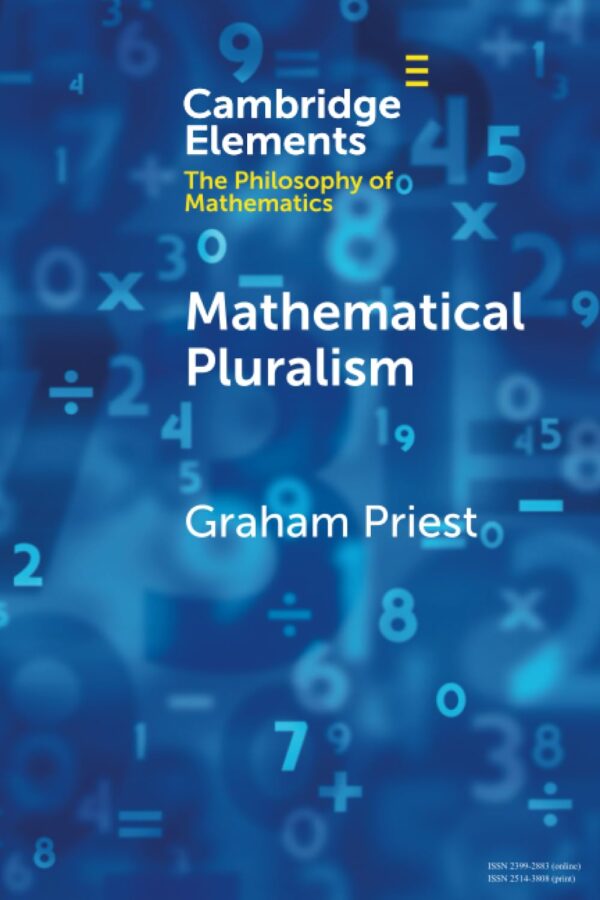
Mathematical Pluralism presents a compelling argument for reconsidering traditional views about the nature of mathematics. Graham Priest, a leading figure in philosophical logic, defends the position that mathematics is not monolithic but rather pluralistic—allowing for multiple, equally legitimate mathematical systems and frameworks.
The work challenges the common assumption that mathematical truth must be singular and absolute. Instead, Priest argues that different mathematical approaches, including classical and non-classical systems, can coexist as valid representations of mathematical reality. This perspective has profound implications for our understanding of mathematical ontology, semantics, and epistemology.
By examining case studies and logical arguments, the book demonstrates how pluralism can accommodate diverse mathematical practices without compromising rigor or coherence. This Element provides philosophers of mathematics, logicians, and mathematicians with essential insights into contemporary debates about mathematical foundations and the nature of mathematical truth itself.

Reviews
There are no reviews yet.