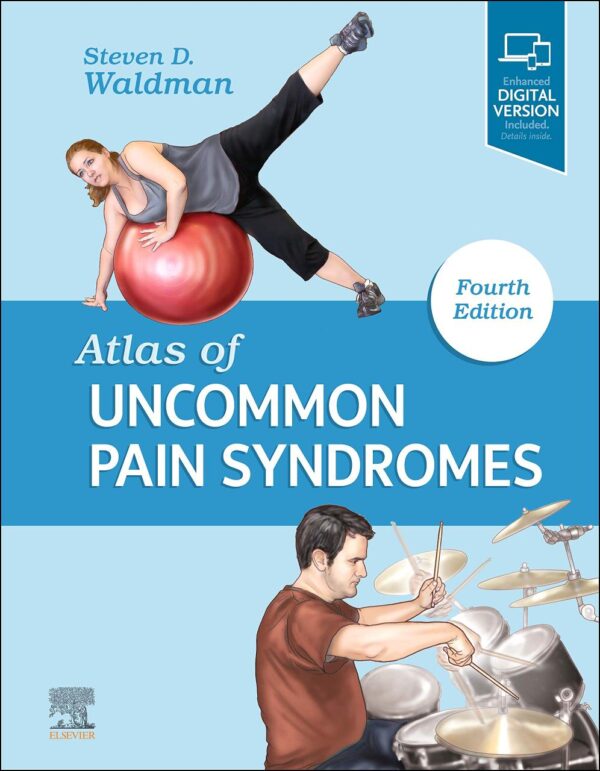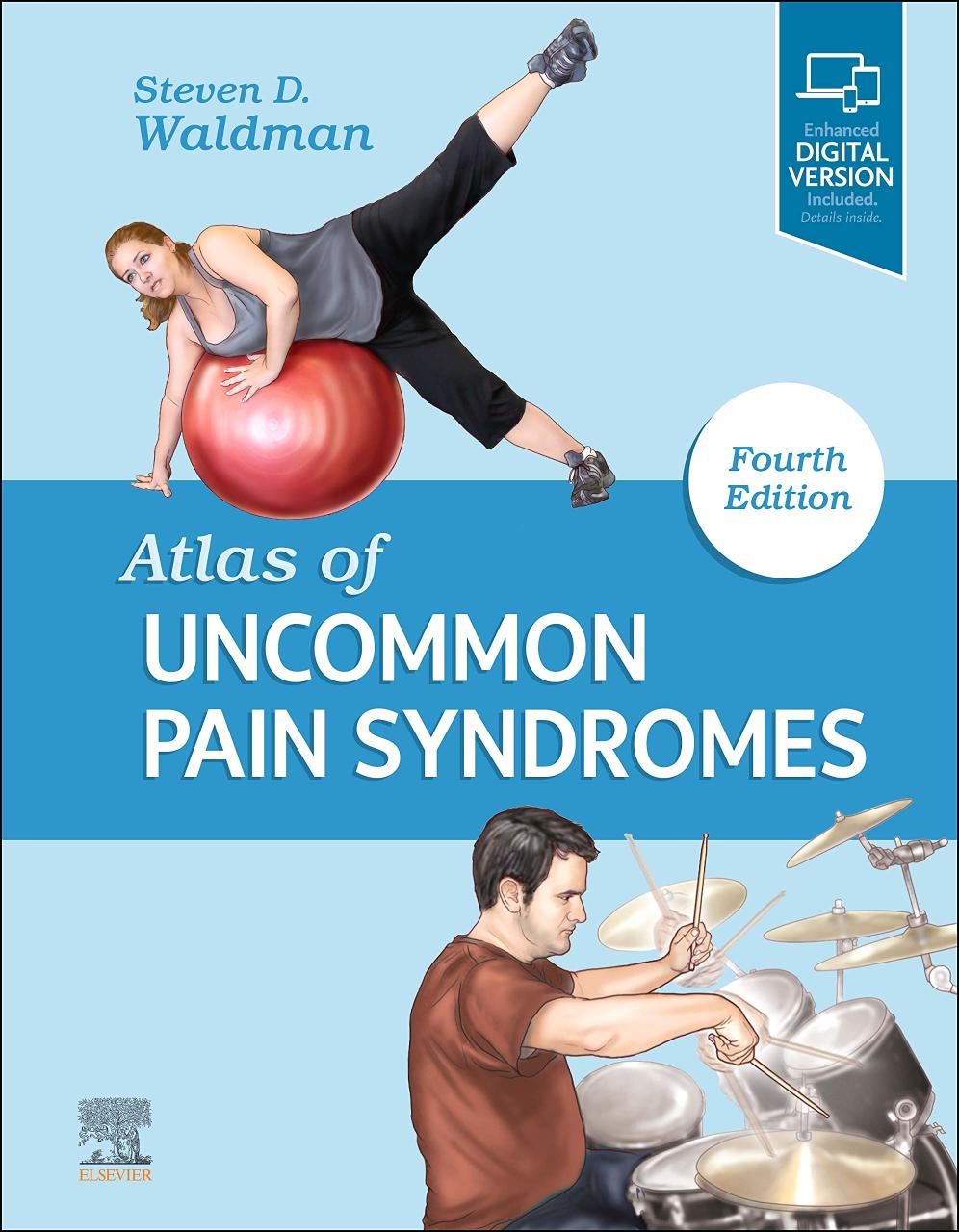
Description
The Atlas of Uncommon Pair Syndromes is the go-to reference for medical students, residents, and clinicians who need to recognize rare and complex clinical presentations. This 4th edition covers 488 pages of expertly curated syndrome pairs—conditions that often appear together or are frequently confused—making diagnosis faster and more accurate. With its new digital access code, you get interactive learning tools alongside the beautifully illustrated print edition. Whether you’re revising for exams, building your clinical diagnostic skills, or need a quick reference during rounds, this atlas bridges the gap between textbooks and real-world practice. Perfect for anyone pursuing medicine, pediatrics, or specialized practice in India and beyond.
- ISBN-10: 032364077X
- ISBN-13: 978-0323640770
- Edition: Standard Edition
- Publisher: ELSEVIER (NP)
- Publication date: 27 December 2020
- Language: English
- Dimensions: 22.1 x 2.29 x 28.19 cm
- Print length: 488 pages
Frequently Asked Questions
What does the access code in this Atlas provide?
The included access code grants you online access to interactive learning modules, detailed illustrations, and digital syndromic databases that complement the printed atlas. This allows you to study on any device and reinforces clinical pattern recognition essential for diagnosis.
Is this book suitable for medical students in India preparing for exams?
Yes, absolutely. The Atlas of Uncommon Pair Syndromes is widely recommended for USMLE, FMGE, INI-CET, and Indian medical entrance exams. Its organized presentation of syndrome pairs helps with rapid diagnosis recognition—a critical skill in both board exams and clinical practice.
How many syndromes does the 4th edition cover?
This 488-page atlas comprehensively documents over 200 uncommon pair syndromes with high-quality illustrations, clinical descriptions, and diagnostic criteria. Each syndrome pair is cross-referenced to help you understand overlapping clinical features.
Can I use this atlas during clinical practice and rounds?
Absolutely. The hardcover format is durable and portable enough for clinical use. Many doctors keep this atlas on their ward or in their clinic for quick differential diagnosis reference when encountering unfamiliar or complex presentations.
Is the 4th edition significantly different from previous editions?
The 4th edition includes updated clinical data, refined illustrations, expanded syndrome coverage, and the new digital access component. If you’re a student or practicing clinician who needs current diagnostic references, this latest edition is worth the upgrade.