
Description
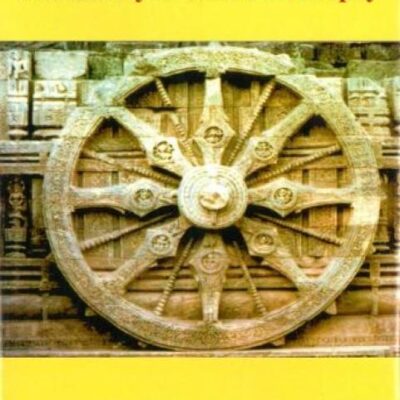
This comprehensive 472-page text provides a rigorous exploration of ethical philosophy as it developed across Indian intellectual traditions—from early Vedic thought through contemporary philosophy. It’s an essential resource for students of philosophy, religious studies, and South Asian history who want to understand how ancient Indian thinkers approached moral questions, dharma, and the good life. The book bridges classical Sanskrit sources with modern philosophical frameworks, making it invaluable for university courses and serious self-study. Whether you’re preparing for competitive exams (UPSC, NET), pursuing higher education, or seeking deeper understanding of Indian philosophical contributions, this book offers the scholarly depth and clarity needed to grasp ethics not as an abstract Western concern, but as a lived, intellectually rich tradition in Indian thought.
- Publisher : Motilal Banarsidass; 1st edition (1 January 2017)
- Language : English
- Hardcover : 472 pages
- ISBN-10 : 8120831934
- ISBN-13 : 978-8120831933
- Dimensions : 14 x 4 x 20 cm
- Country of Origin : India
Frequently Asked Questions
Is this book suitable for UPSC preparation or competitive exams?
Yes, this book is widely recommended for UPSC philosophy optional and NET exams. Its systematic coverage of Indian ethical thought across different schools makes it an excellent reference for candidates preparing philosophical answer frameworks. Many test takers use it alongside primary texts for comprehensive understanding.
What philosophical schools does this book cover?
The book explores ethics across major Indian philosophical traditions including Vedic thought, Upanishadic philosophy, Buddhist ethics, Jain philosophy, and classical schools like Samkhya, Yoga, Nyaya, Vaisheshika, and Advaita Vedanta. It provides both historical context and thematic analysis of how each tradition approached moral questions and dharma.
Is this a textbook or more academic research?
This is an academic textbook published by the respected Motilal Banarsidass and is designed for higher education students. It balances scholarly rigor with pedagogical clarity, making it suitable for BA/MA-level courses in philosophy, religious studies, and South Asian history.
Can this book be used for self-study without formal coursework?
Absolutely. While it’s used as a university textbook, the clear structure and comprehensive coverage make it excellent for self-study. Readers interested in Indian philosophy, dharma, or comparative ethics will find it accessible and rewarding even without formal academic background.
How does this compare to other Indian philosophy books?
Unlike survey texts that treat Indian philosophy as exotic or historical curiosity, this book takes ethics seriously as an ongoing intellectual conversation. Its 472-page depth means more than popular introductions, and its focus on ethical themes rather than just schools helps readers understand why Indian philosophy matters today.