Description
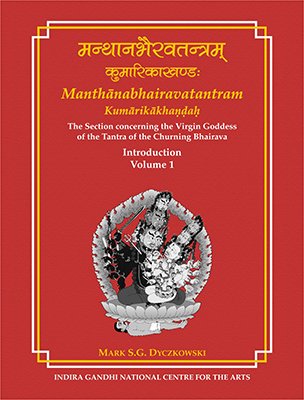
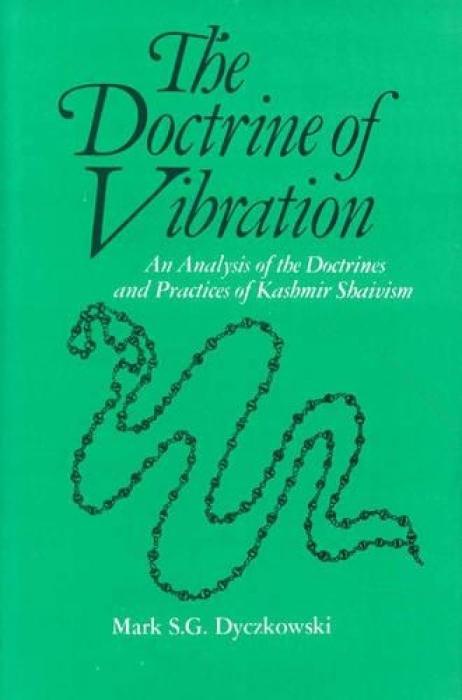
This landmark text by Mark S. G. Dyczkowski is essential reading for anyone serious about understanding Kashmir Shaivism, one of India’s most sophisticated philosophical traditions. Rather than merely surveying doctrine, Dyczkowski traces the living practices—the meditation, ritual, and energetic principles—that animate Shaiva philosophy. Published by the respected Motilal Banarsidass, the book bridges academic rigor and contemplative depth, making it invaluable for both scholars and sincere practitioners exploring tantra and non-dual Kashmir traditions. At 303 pages, it’s a comprehensive yet accessible guide to understanding vibration (spanda) as the fundamental reality underlying consciousness and the cosmos.
- Publisher : Motilal Banarsidass; 1st edition (1 January 1989)
- Language : English
- Hardcover : 303 pages
- ISBN-10 : 8120805968
- ISBN-13 : 978-8120805965
- Item Weight : 2 kg 420 g
- Country of Origin : India
Frequently Asked Questions
What is Kashmir Shaivism and why should I read this book?
Kashmir Shaivism is a non-dualistic tantric philosophy tradition that emerged in medieval Kashmir, emphasizing direct recognition of consciousness as the ultimate reality. Dyczkowski’s analysis is considered the most authoritative English-language introduction, explaining both the philosophical principles and the lived practices that make Kashmir Shaivism unique among Hindu tantric schools.
Is this book suitable for beginners or only advanced practitioners?
While the book is academically rigorous, it’s written to be accessible to serious readers new to the tradition. Dyczkowski provides clear explanations of complex concepts like spanda (vibration) and Shakti before diving deeper. It’s ideal if you have some background in yoga philosophy or are ready to engage with sophisticated spiritual concepts.
What topics does The Doctrine of Vibration cover?
The book explores the core doctrines of Kashmir Shaivism including the nature of Shiva and Shakti, the concept of vibration (spanda) as cosmic consciousness, meditation practices, mantra traditions, and the philosophy of recognition (pratyabhijna). It combines textual analysis with practical philosophical framework.
Who is Mark S. G. Dyczkowski and why is he a trusted authority?
Dyczkowski is a renowned Sanskrit scholar and Indologist specializing in Kashmir Shaivism. His works are cited extensively in academic and spiritual communities worldwide. Published by the prestigious Motilal Banarsidass, this 1989 edition remains the most cited introduction to Shaiva philosophy in English.
How does this book differ from other Kashmir Shaivism or tantra books available in India?
Unlike surface-level introductions, Dyczkowski combines scholarly translation of primary texts with phenomenological analysis of practice. It bridges the gap between academic philosophy and contemplative tradition, making it unique among the dozen or so English books on Kashmir Shaivism available.