Description
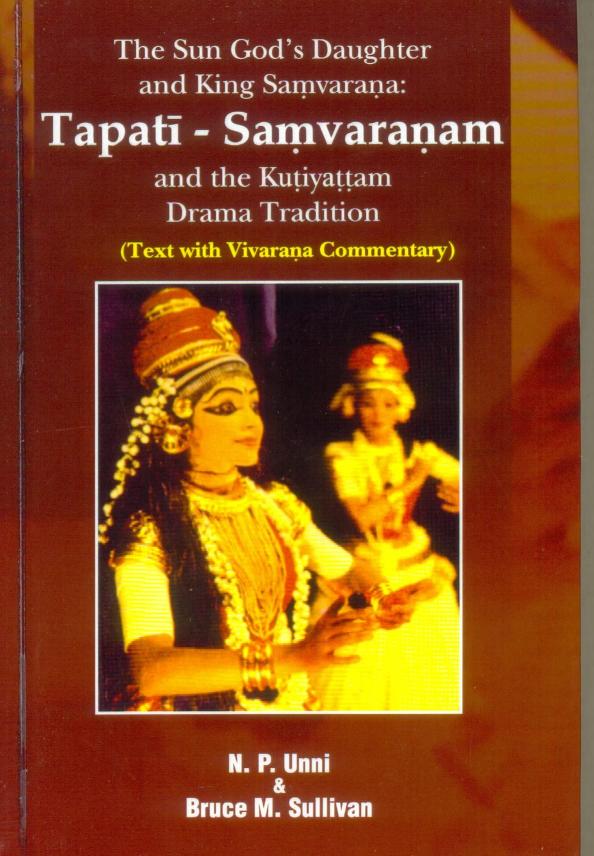
This expertly researched volume explores Tapati-Samvaranam, a classical Sanskrit play adapted for Kerala’s Kutiyattam tradition—one of UNESCO’s Intangible Cultural Heritage art forms. The book combines textual analysis with performance insights, making it invaluable for students of classical Indian drama, Sanskrit literature, theater historians, and Kutiyattam practitioners. If you’re studying the intersection of ancient Sanskrit narratives and living performance traditions, or if you’re passionate about Kerala’s theatrical heritage, this 320-page hardcover from New Bhartiya Book Corporation is essential reading. A rare resource bridging academic rigor with cultural preservation.
- Publisher : New Bhartiya Book Corporation (4 October 2022)
- Language : English
- Hardcover : 320 pages
- ISBN-10 : 8183155022
- ISBN-13 : 978-8183155021
- Item Weight : 788 g
Frequently Asked Questions
What is Tapati-Samvaranam and why is it important in Kutiyattam tradition?
Tapati-Samvaranam is a classical Sanskrit play featuring the love story of Tapati (Sun God’s daughter) and King Samvarana. In Kutiyattam, Kerala’s ancient theater form, this text is performed with elaborate stylized movements and expressions. The play is significant because it demonstrates how Sanskrit dramatic narratives are reinterpreted and enriched through the Kutiyattam performance tradition, preserving both literary and artistic heritage.
Who should read this book—is it for drama students or general readers?
This book is ideal for Sanskrit literature students, drama scholars, theater practitioners, and anyone studying classical Indian performance arts. While it’s published as a higher education text, readers interested in Kerala’s cultural heritage and UNESCO-recognized theater traditions will find it engaging. It bridges academic analysis with practical performance insights.
How does Kutiyattam differ from other Indian classical theater forms?
Kutiyattam is the only surviving ancient Sanskrit theater tradition, performed exclusively in Kerala temples. Unlike Bharatanatyam or Kathak, Kutiyattam uses intricate hand gestures (mudras), facial expressions (rasas), and stylized movement within a single dramatic space. This book explains how texts like Tapati-Samvaranam are uniquely adapted for Kutiyattam’s performance language.
Is this book available in Hindi or other Indian languages?
This edition is published in English by New Bhartiya Book Corporation. It’s designed for English-reading scholars and students across India and globally. If you need translations or regional language editions, contact the publisher or check specialist academic bookstores.
Can I use this book for my Sanskrit literature or theater history course?
Yes, this 320-page hardcover is structured as a higher education textbook and is perfectly suited for Sanskrit literature, classical drama, and theater history courses. It provides both theoretical framework and detailed textual analysis, making it a reliable academic resource for course assignments and research.