
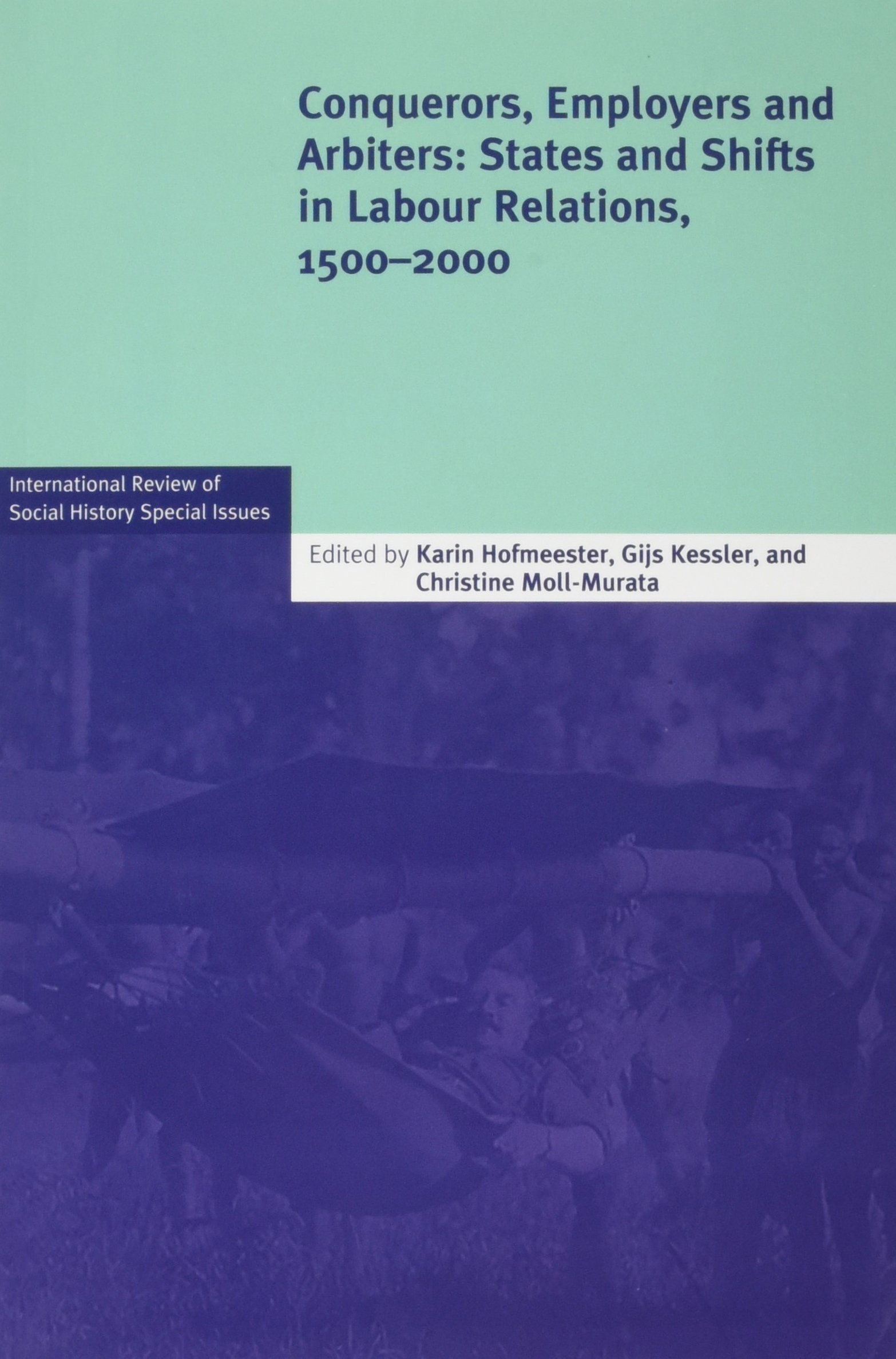
Description
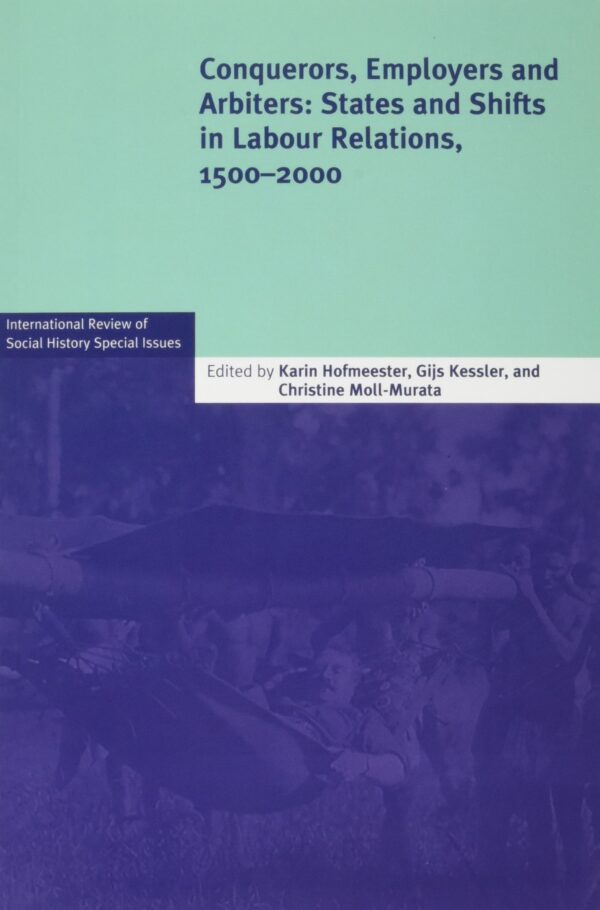
Conquerors, Employers and Arbiters provides an extensive historical analysis of state involvement in labor relations spanning five centuries. This volume brings together experts in labor history to examine how states have wielded power through conquest, employment, and arbitration across different regions and time periods.
The collection explores the complex relationship between political authority and working populations, tracing shifts in labor organization from the early modern period through the twentieth century. Contributors analyze how state policies, economic systems, and social transformations have influenced employment conditions, worker rights, and industrial relations globally.
As part of the International Review of Social History Supplements series, this scholarly work offers interdisciplinary perspectives on labor history, political economy, and social change. It serves as an essential resource for historians, labor scholars, and researchers interested in understanding how state power has shaped the world of work across centuries and continents.





Reviews
There are no reviews yet.