
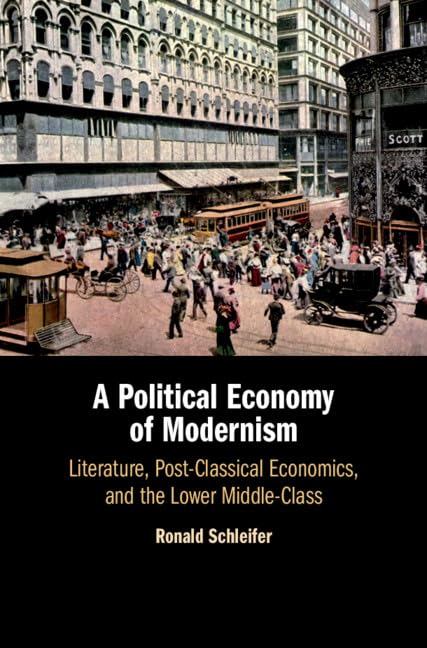
Description
A Political Economy of Modernism examines the intersections between modernist literature and post-classical economic thought, tracing how economic theory shaped literary representations of the lower middle class during the early twentieth century. Ronald Schleifer demonstrates that major modernist authors engaged with contemporary economic discourse to explore themes of value, labor, and social status.
Through detailed textual analysis, the work reveals how concepts from economics influenced narrative techniques and character development in modernist fiction. Schleifer connects economic anxieties about class mobility and consumer culture to the formal innovations of modernist literature, arguing that economic theory provided a crucial framework for understanding social transformation. The study offers new insights into how literature responded to the economic complexities of modernity.


Reviews
There are no reviews yet.