
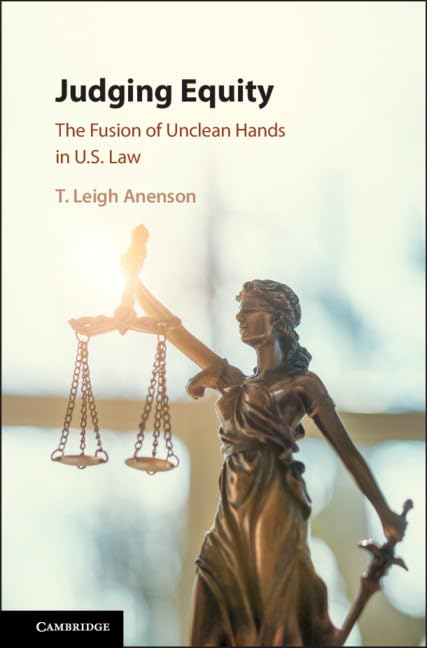
Description
Judging Equity: The Fusion of Unclean Hands in U.S. Law provides a detailed analysis of one of equity jurisprudence’s most important and nuanced doctrines. T. Leigh Anenson explores how American courts apply the unclean hands doctrine—a foundational principle requiring that parties seeking equitable relief must themselves have acted fairly and ethically.
The book examines the historical development and modern application of this doctrine, demonstrating how it serves as a crucial mechanism for maintaining judicial integrity and protecting against inequitable conduct. Through careful analysis of landmark cases and legal principles, Anenson reveals the complex interplay between law and morality in equity jurisprudence. The work addresses fundamental questions about how courts determine what conduct is sufficiently unclean to bar relief and how this doctrine intersects with other equitable principles.





Reviews
There are no reviews yet.