
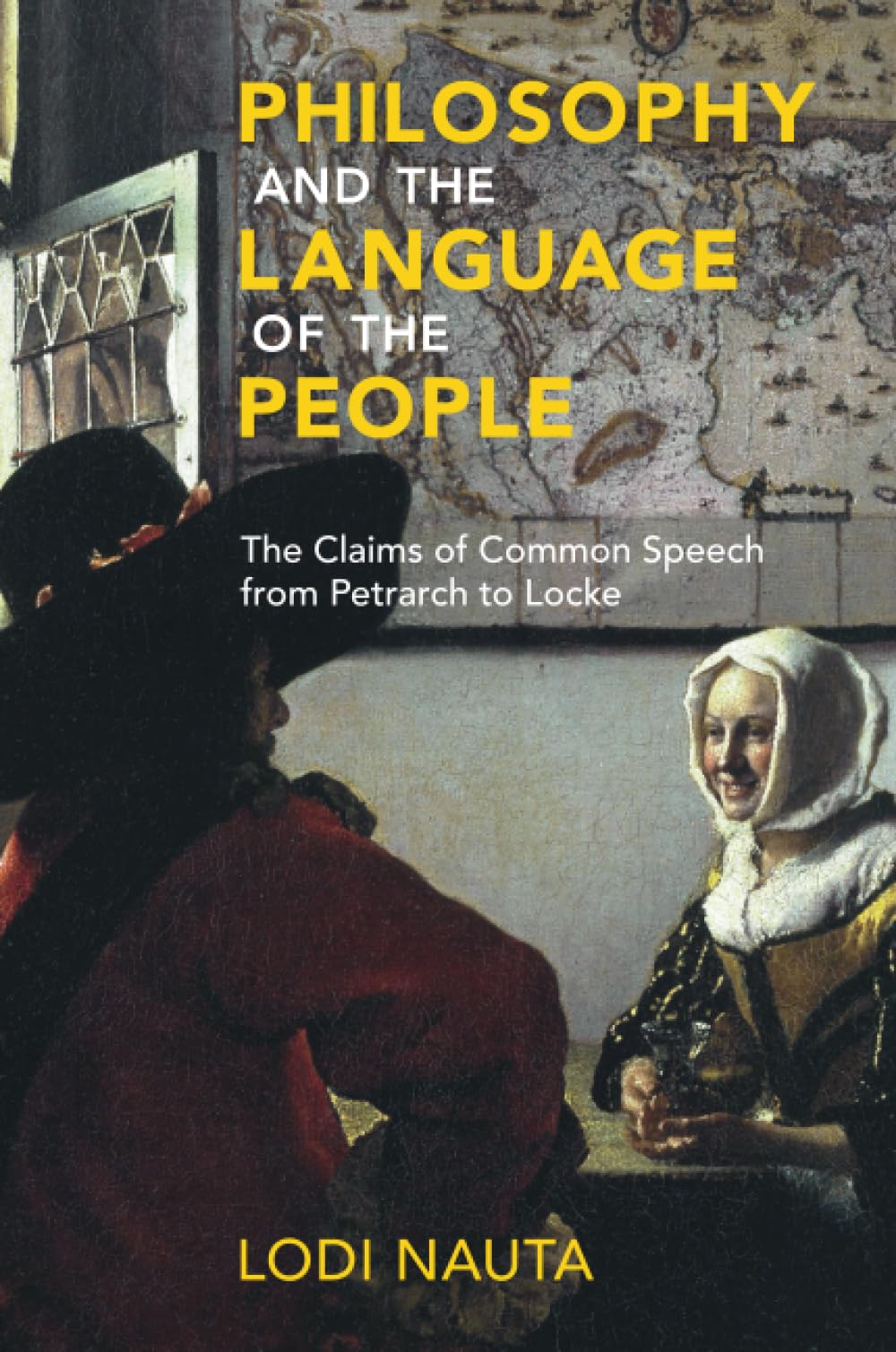
Description
Philosophy and the Language of the People traces the intellectual history of how European philosophers came to value the language and reasoning of ordinary people. From the Italian Renaissance through the seventeenth century, thinkers increasingly challenged scholastic methods by appealing to common speech as an authoritative source for philosophical inquiry.
Lodi Nauta demonstrates how figures like Petrarch, Erasmus, and Locke strategically employed vernacular language and popular discourse to advance their philosophical agendas. This shift represented a fundamental transformation in epistemology, moving away from Latin scholasticism toward a more democratic conception of knowledge. The book reveals how the valorization of common language became intertwined with humanism, empiricism, and the broader intellectual currents that shaped early modern thought.
Through careful textual analysis, Nauta shows that appeals to common speech were never simply naive or anti-intellectual, but rather sophisticated philosophical moves that challenged existing hierarchies of knowledge and authority.




Reviews
There are no reviews yet.