

Description
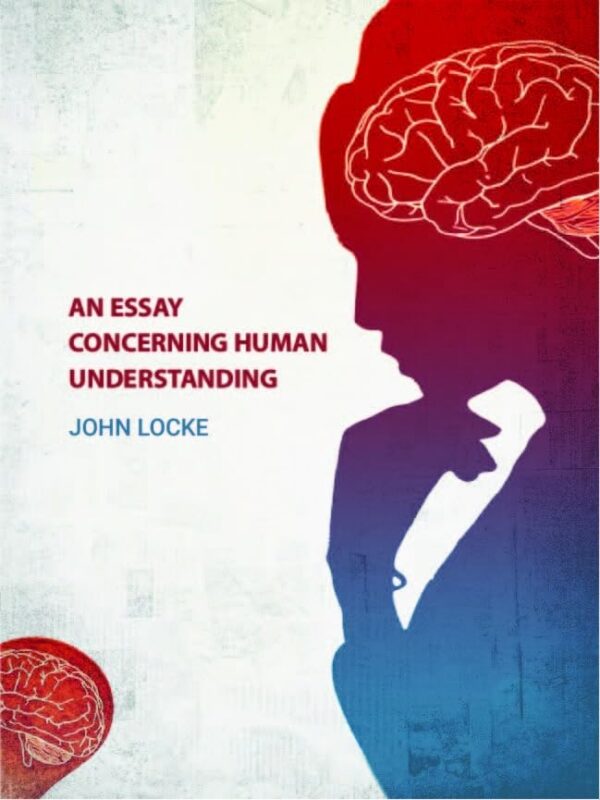
An Essay Concerning Human Understanding is one of the most influential works in Western philosophy, presenting Locke’s groundbreaking theory of epistemology and the nature of knowledge. Written in the 17th century, this masterpiece challenges the prevailing belief in innate ideas and instead proposes that the human mind begins as a blank slate, or ‘tabula rasa,’ shaped entirely by sensory experience and reflection.
Locke meticulously examines how ideas originate from sensation and internal reflection, arguing that all knowledge derives from these fundamental sources. He explores the distinction between simple and complex ideas, discusses the nature of language and its relationship to thought, and investigates the limits and reliability of human understanding. This philosophical treatise became instrumental in establishing empiricism as a major school of thought.
The work remains essential reading for students of philosophy, cognitive science, and intellectual history, offering profound insights into how humans perceive, process, and comprehend the world around them.


Reviews
There are no reviews yet.