
Description
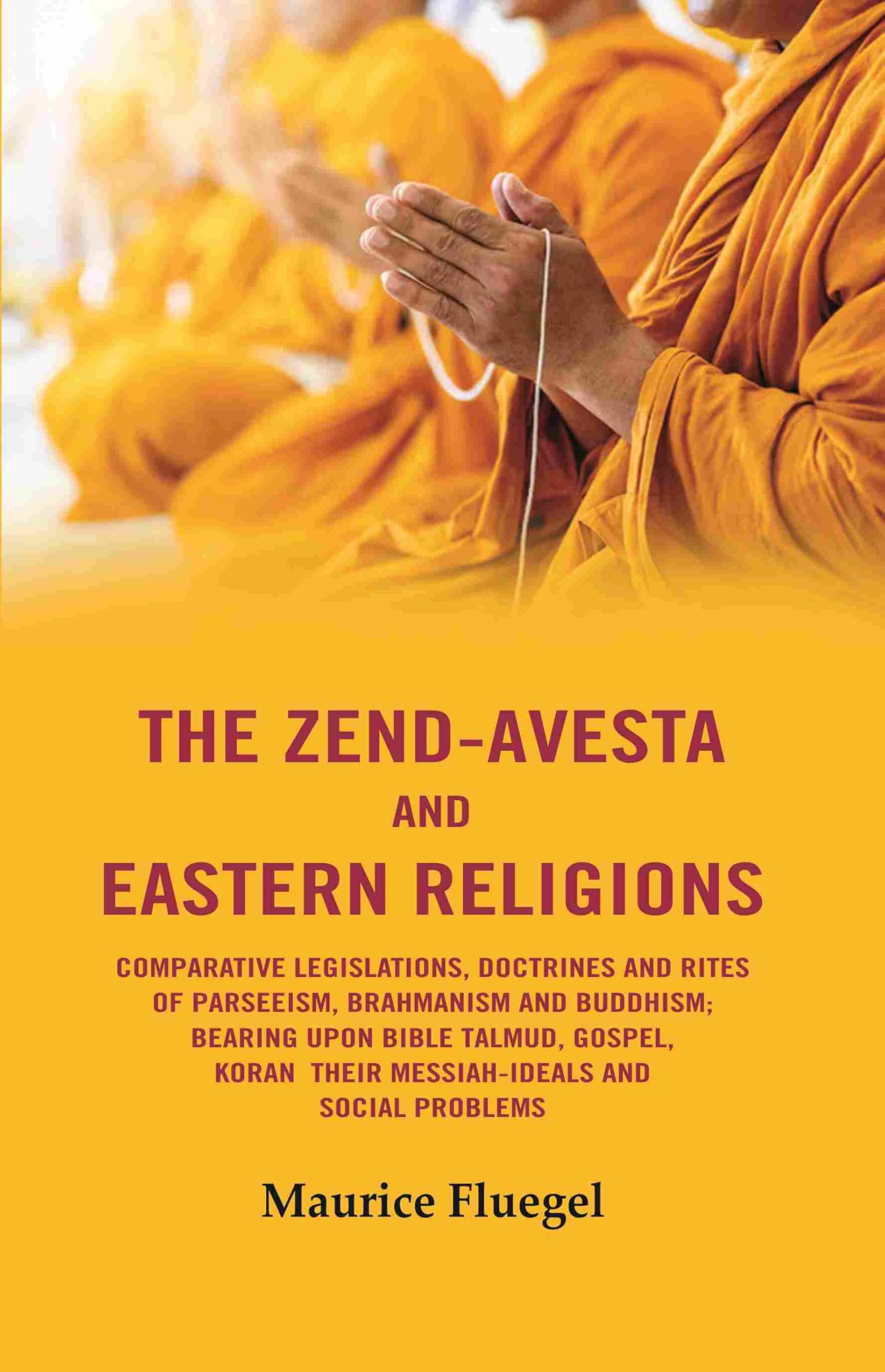
This scholarly work by Maurice Fluegel presents an in-depth comparative analysis of three major Eastern religions: Parseeism (Zoroastrianism), Brahmanism (Hinduism), and Buddhism. The author systematically examines their legislative frameworks, core doctrines, and religious practices to understand their historical and theological significance.
Fluegel demonstrates how these Eastern religious systems have influenced and bear upon the theological concepts found in the Bible, Talmud, Gospel, and Koran. The study pays particular attention to messianic ideals across these traditions, exploring common themes and divergences in their vision of divine redemption and salvation.
Furthermore, the book addresses the social dimensions of these religions, analyzing how their doctrines translate into practical social organization and ethical living. This comparative approach provides valuable insights into the interconnections between Eastern and Western religious thought, making it an essential resource for scholars of comparative religion and interfaith studies.




Reviews
There are no reviews yet.