
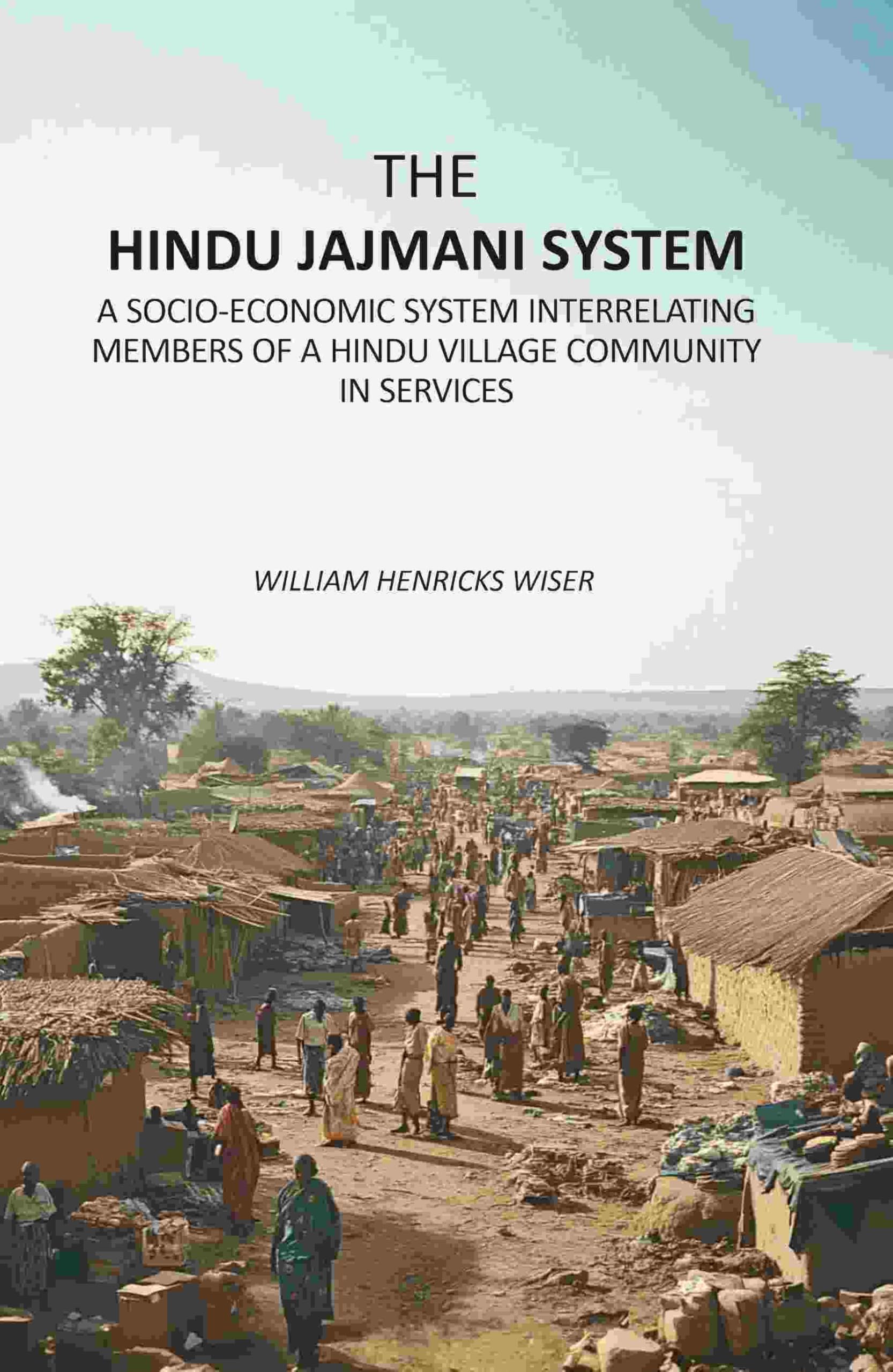
Description
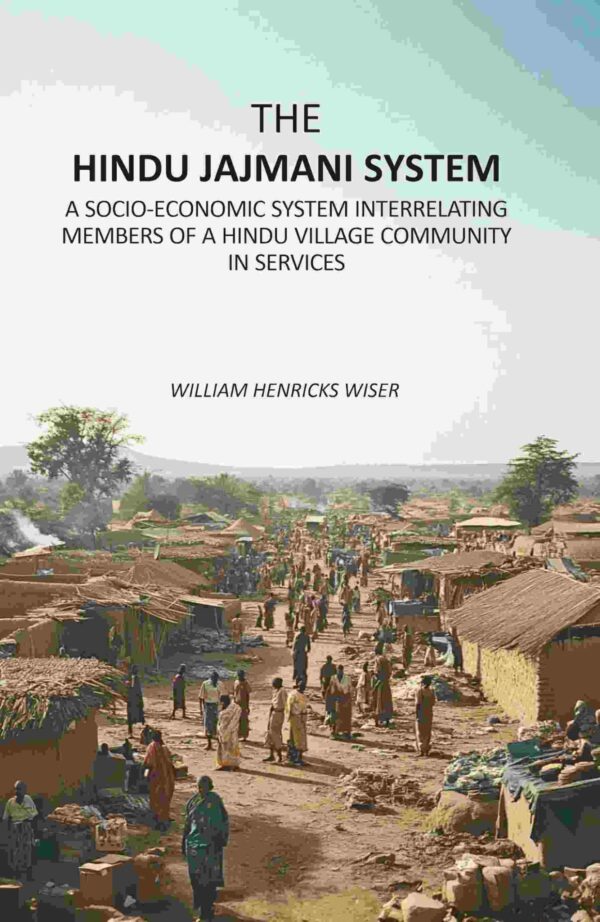
The Hindu Jajmani System is a comprehensive sociological examination of one of India’s most significant traditional economic structures. William Henricks Wiser’s pioneering work explores how the Jajmani system functioned as an intricate web of reciprocal services and obligations that bound together members of Hindu village communities across caste and occupational lines.
Through meticulous fieldwork and analysis, Wiser documents how patrons (Jajmans) and service providers maintained long-term relationships involving regular payments in kind and periodic gifts in exchange for specialized services. This system encompassed various occupations—from agricultural labor to priestly functions—creating a self-sufficient village economy. The study illuminates the social, economic, and religious dimensions of this arrangement, demonstrating how it maintained social cohesion while perpetuating hierarchical structures.
Essential for understanding Hindu society, village economics, and the historical basis of Indian social organization, this work remains a crucial reference for anthropologists, sociologists, and scholars of South Asian studies.


Reviews
There are no reviews yet.