
Description
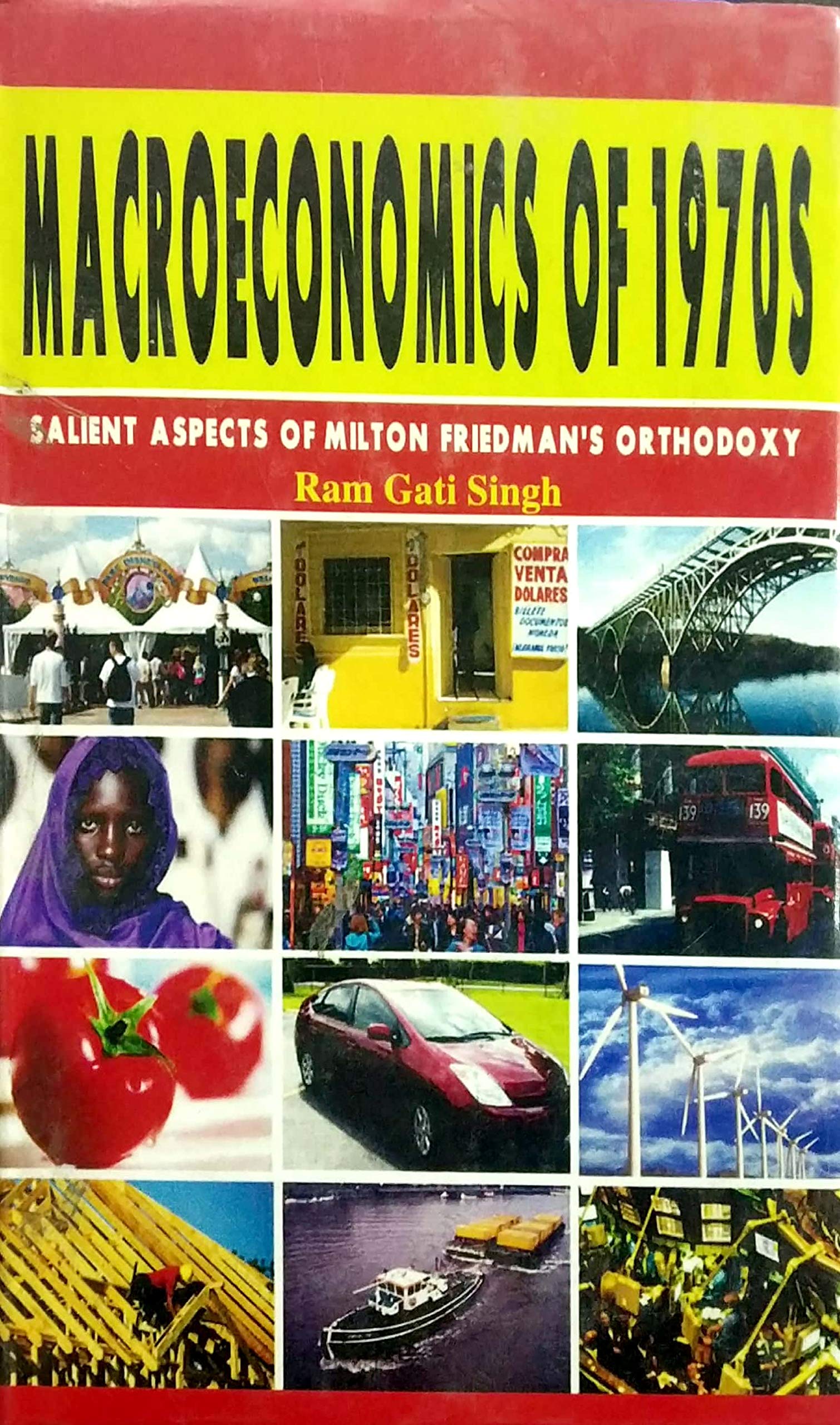
This scholarly work by Ram Gati Singh provides a comprehensive analysis of macroeconomic developments during the 1970s, with particular emphasis on Milton Friedman’s monetarist orthodoxy. The decade marked a significant shift in economic thought as traditional Keynesian frameworks faced challenges from persistent inflation and sluggish growth.
The book examines the theoretical underpinnings of Friedman’s monetarism, its policy implications, and its influence on central banking and government economic strategies. Singh critically evaluates how Friedman’s emphasis on money supply control, the natural rate of unemployment, and expectations theory reshaped macroeconomic discourse. The work contextualizes these ideas within the broader economic crises of the era, including oil shocks, currency instability, and the breakdown of the Bretton Woods system.
Essential reading for economics students, policymakers, and historians interested in understanding how monetary theory evolved during this pivotal period and its lasting impact on modern macroeconomic practice.






Reviews
There are no reviews yet.