
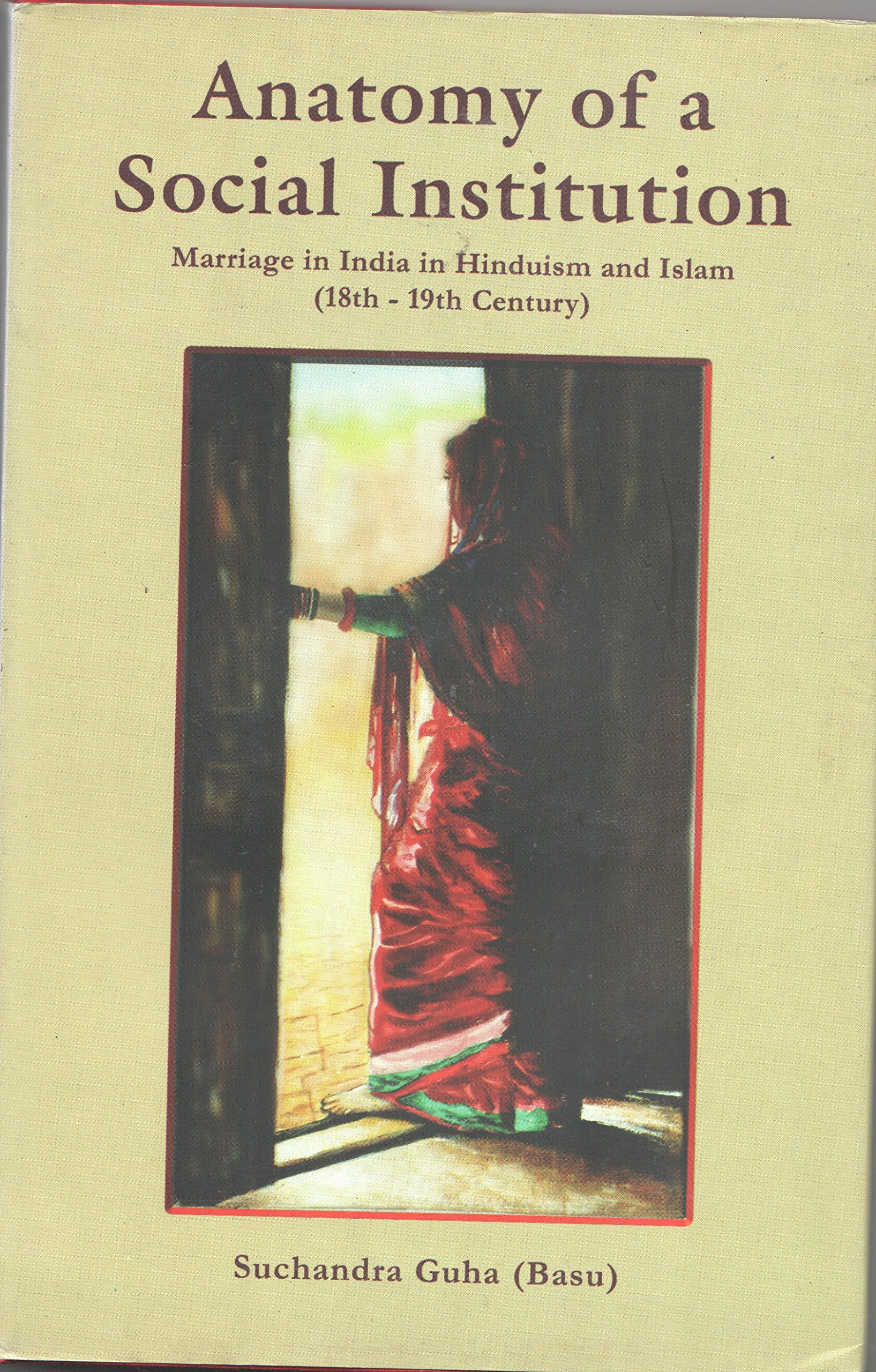
Description
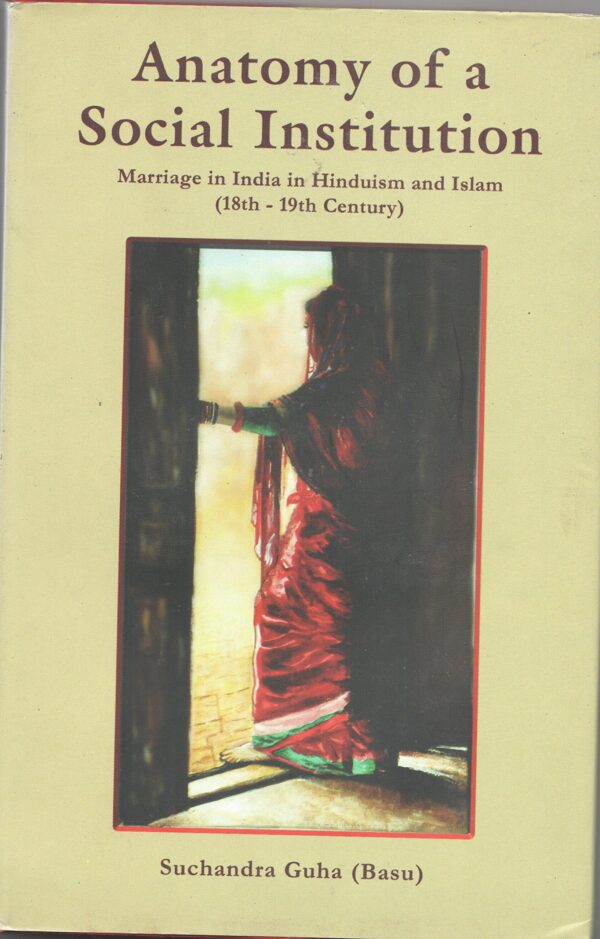
Anatomy of a Social Institution offers a comprehensive exploration of marriage as a fundamental social institution in India during the 18th and 19th centuries. The author examines how religious traditions in Hinduism and Islam influenced matrimonial practices, social hierarchies, and family structures during a period of significant historical change.
Guha’s analysis delves into the rituals, customs, and legal frameworks governing marriage in both communities, highlighting the complexities of conjugal relations, gender roles, and social obligations. The work provides valuable insights into how these institutions functioned within broader cultural contexts and adapted to colonial influences and modernization pressures.
This book is essential for scholars of Indian history, religious studies, and gender studies, offering nuanced perspectives on how marriage served as a cornerstone of social organization and cultural identity in pre-modern and early modern India.





Reviews
There are no reviews yet.