
Description
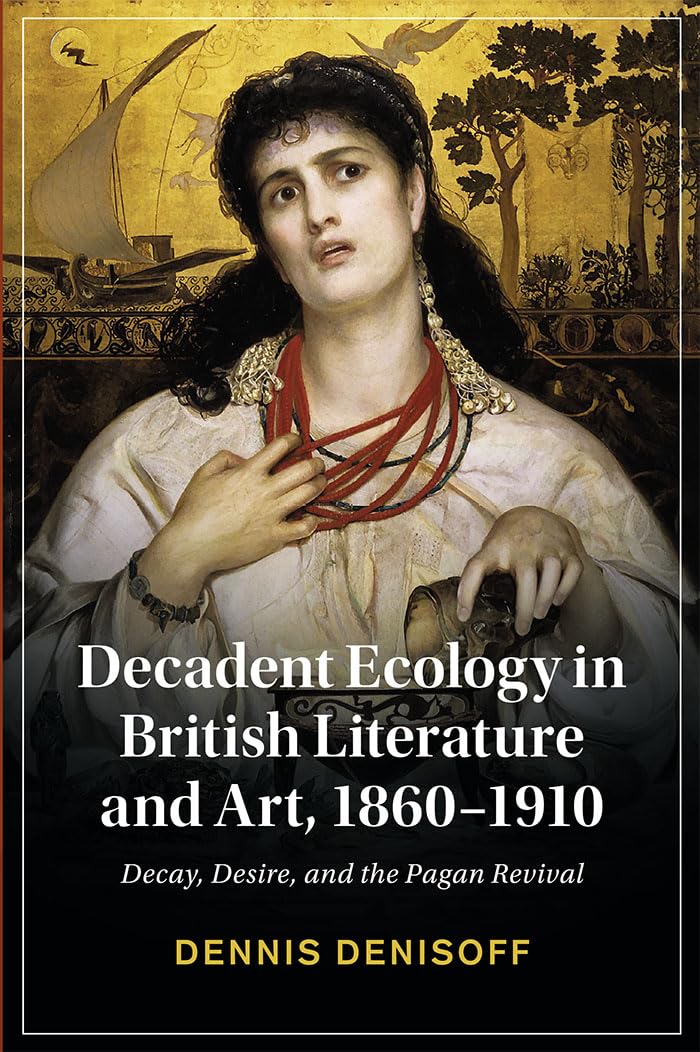
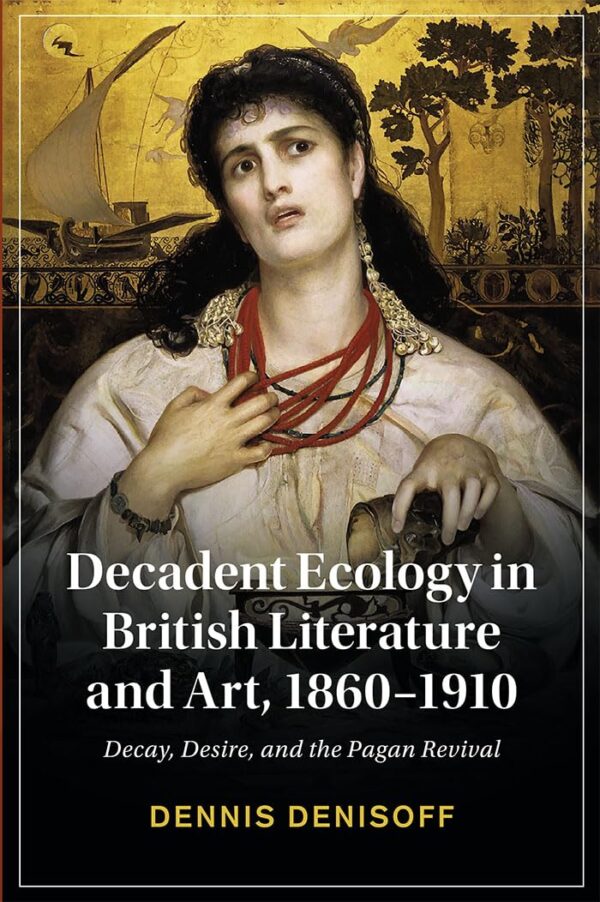
Decadent Ecology in British Literature and Art, 1860–1910 traces the emergence of ecological awareness within the aesthetic movements of the late nineteenth century. Dennis Denisoff argues that decadent writers and artists, often dismissed as apolitical aesthetes, actually engaged in sophisticated critiques of industrial capitalism through their fascination with decay, natural cycles, and pagan spirituality.
The book analyzes how figures like Oscar Wilde, Walter Pater, and their contemporaries used decadent imagery and philosophy to articulate proto-environmental concerns. By examining the visual arts alongside literature, Denisoff reveals how the period’s preoccupation with beauty in decline and organic forms represented an early questioning of progress ideology and industrial exploitation of nature.
This interdisciplinary study reframes British decadence as a movement deeply engaged with ecological thought, demonstrating how aesthetic philosophy anticipated modern environmental consciousness and offered alternative frameworks for understanding humanity’s relationship with the natural world.

Reviews
There are no reviews yet.