
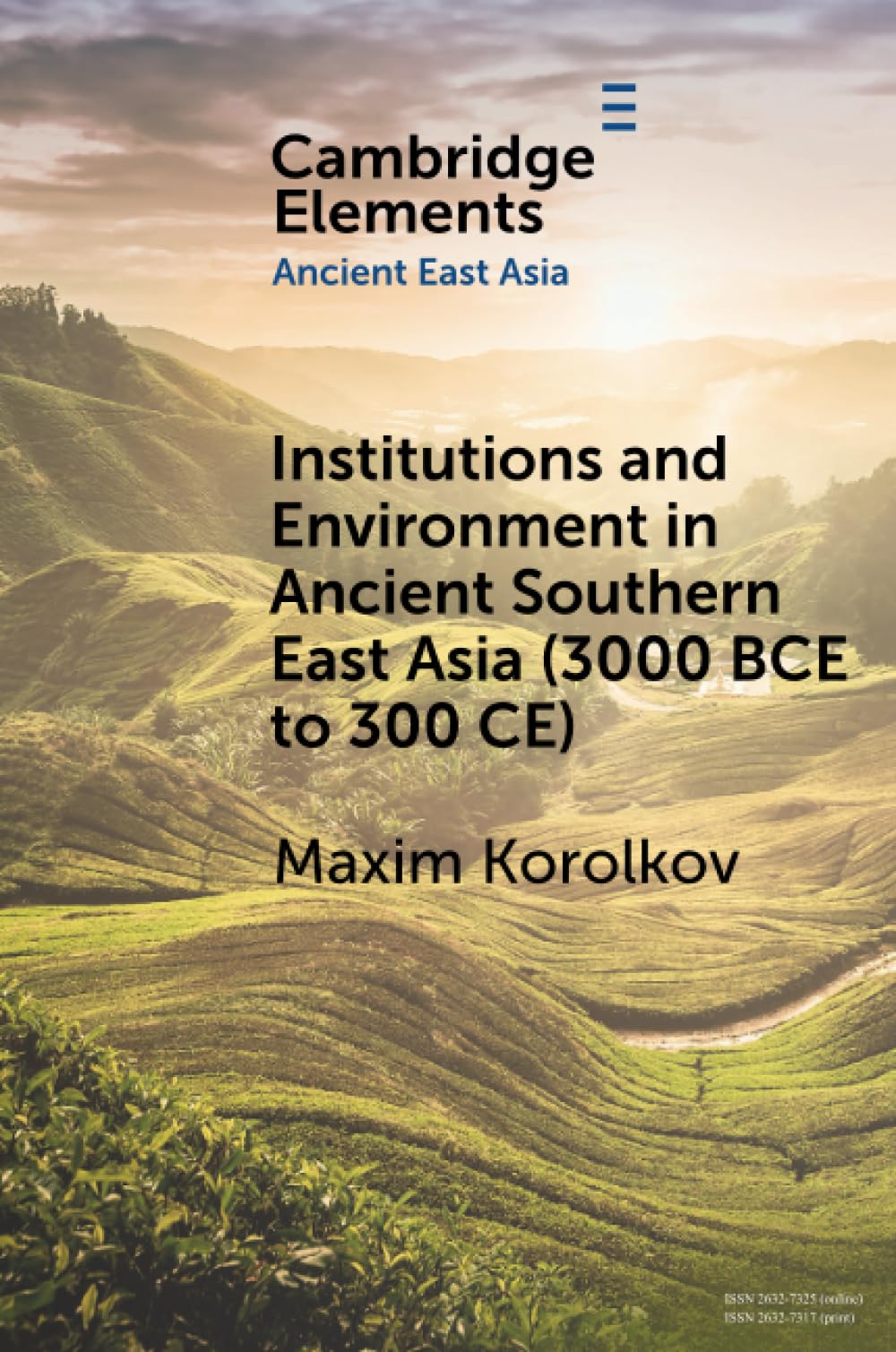
Description
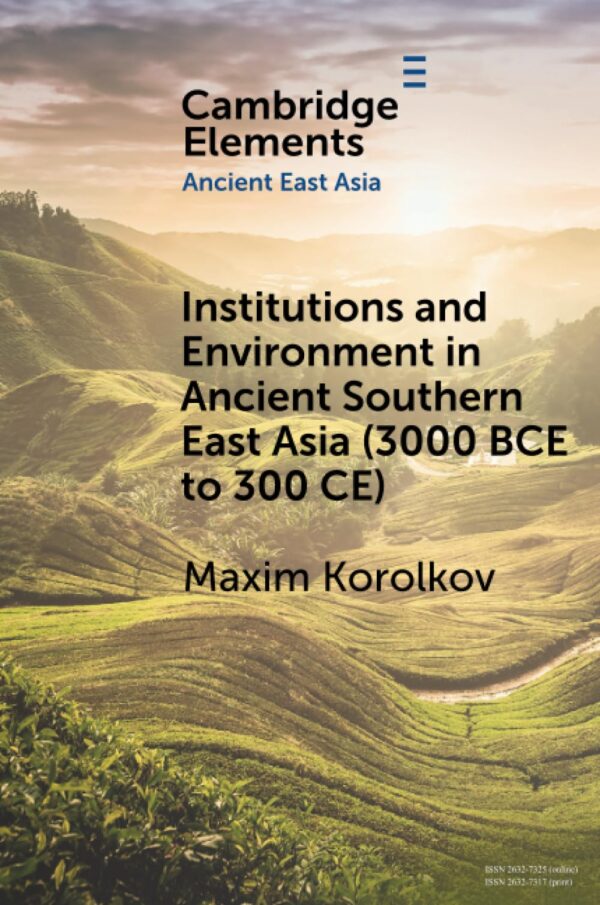
This comprehensive study investigates the intricate relationship between institutions and environmental conditions in ancient Southern East Asia spanning three millennia, from 3000 BCE through 300 CE. Maxim Korolkov analyzes how political structures, social organizations, and economic systems developed in response to diverse environmental challenges and opportunities across the region.
The book examines archaeological and historical evidence to demonstrate how early societies adapted to monsoon patterns, river systems, and tropical ecosystems. Korolkov explores the emergence of agricultural practices, trade networks, and administrative institutions that were fundamentally shaped by local environmental conditions. The work considers how institutional innovations enabled communities to manage resources, respond to climate variations, and facilitate cultural exchange.
By integrating environmental history with institutional analysis, this volume provides fresh insights into the development of early Southeast Asian civilizations and their adaptation strategies during the Bronze and Iron Ages.


Reviews
There are no reviews yet.