
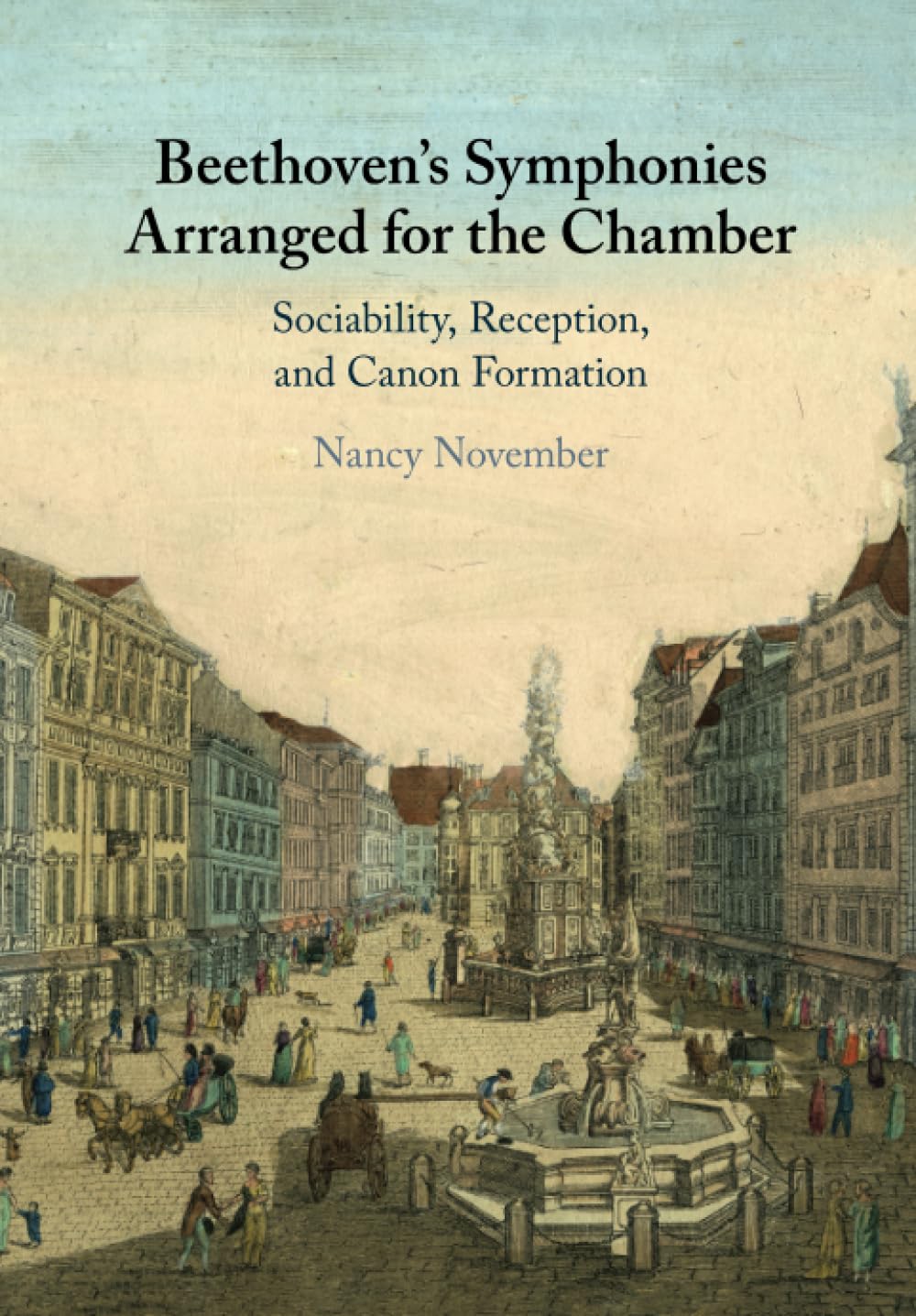
Description
Nancy November’s groundbreaking study investigates the crucial but often overlooked role of chamber arrangements in establishing Beethoven’s symphonies as canonical works. Rather than viewing these arrangements as mere inferior copies, November demonstrates how they were essential to the symphonies’ dissemination, reception, and cultural authority in the nineteenth century.
The book explores how chamber versions enabled wider audiences to experience Beethoven’s monumental orchestral works in intimate domestic settings. Through detailed analysis of arrangement practices, performance contexts, and contemporary reception, November reveals how these adaptations participated in the construction of Beethoven as a musical genius and his symphonies as the pinnacle of the classical tradition.
By examining the social, economic, and aesthetic factors surrounding chamber arrangements, this work challenges traditional narratives of musical canon formation and offers fresh insights into how works become established as masterpieces. Essential reading for scholars of Beethoven, nineteenth-century music history, and the sociology of musical taste.






Reviews
There are no reviews yet.