
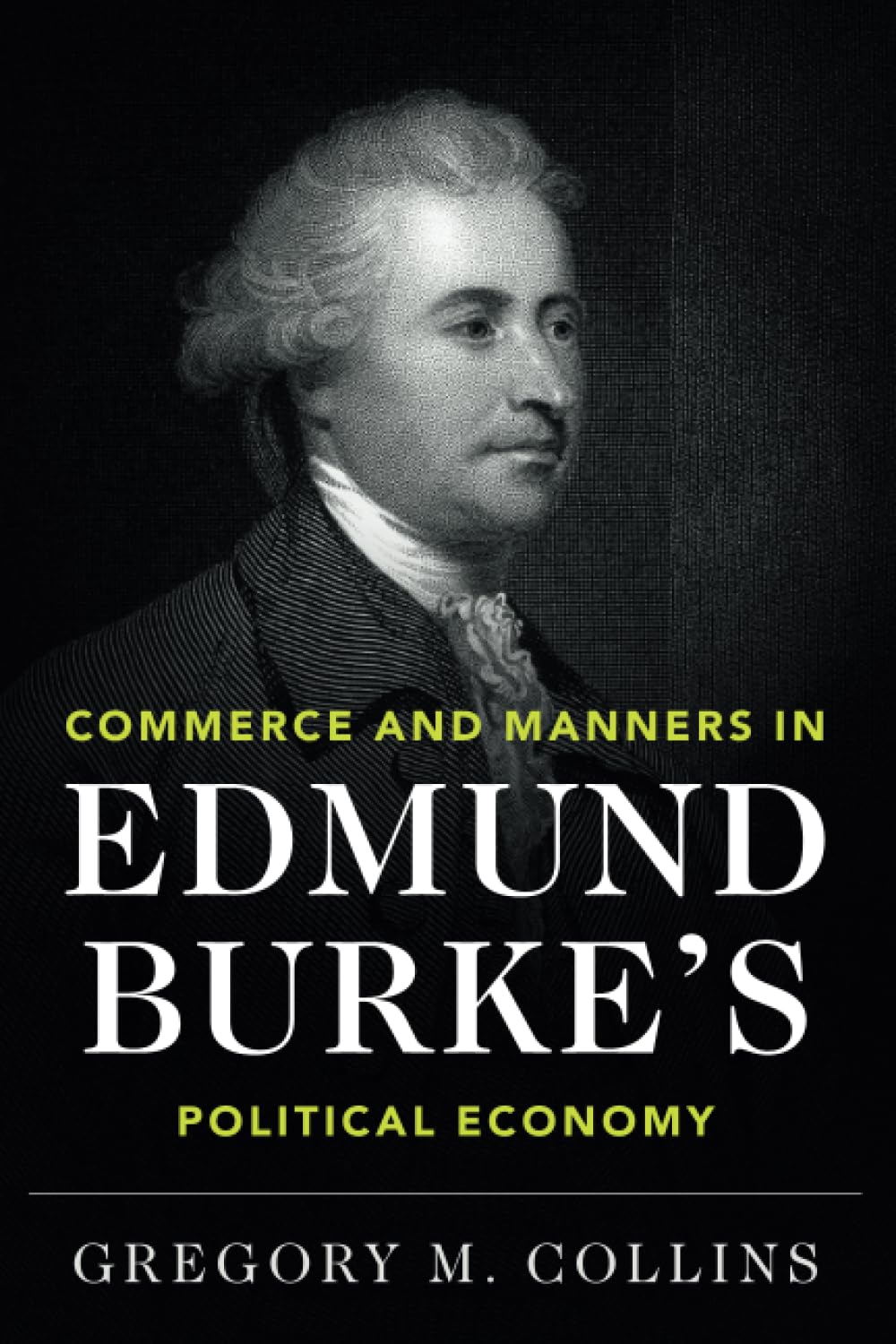
Description
Gregory M. Collins provides a comprehensive analysis of Edmund Burke’s political economy, demonstrating how Burke’s understanding of commerce and manners shaped his broader philosophical outlook. Rather than viewing Burke as a simple advocate of free markets, Collins reveals the complexity of Burke’s engagement with commercial society and its effects on social and moral life.
The book traces Burke’s evolving perspectives on trade, economic regulation, and the relationship between commercial activity and civic virtue. Collins argues that Burke’s concern for manners—the customs, conventions, and social practices that bind communities together—was inseparable from his economic analysis. This integration of commercial and moral considerations offers valuable insights into eighteenth-century political thought and remains relevant to contemporary debates about markets and society.


Reviews
There are no reviews yet.