
Description
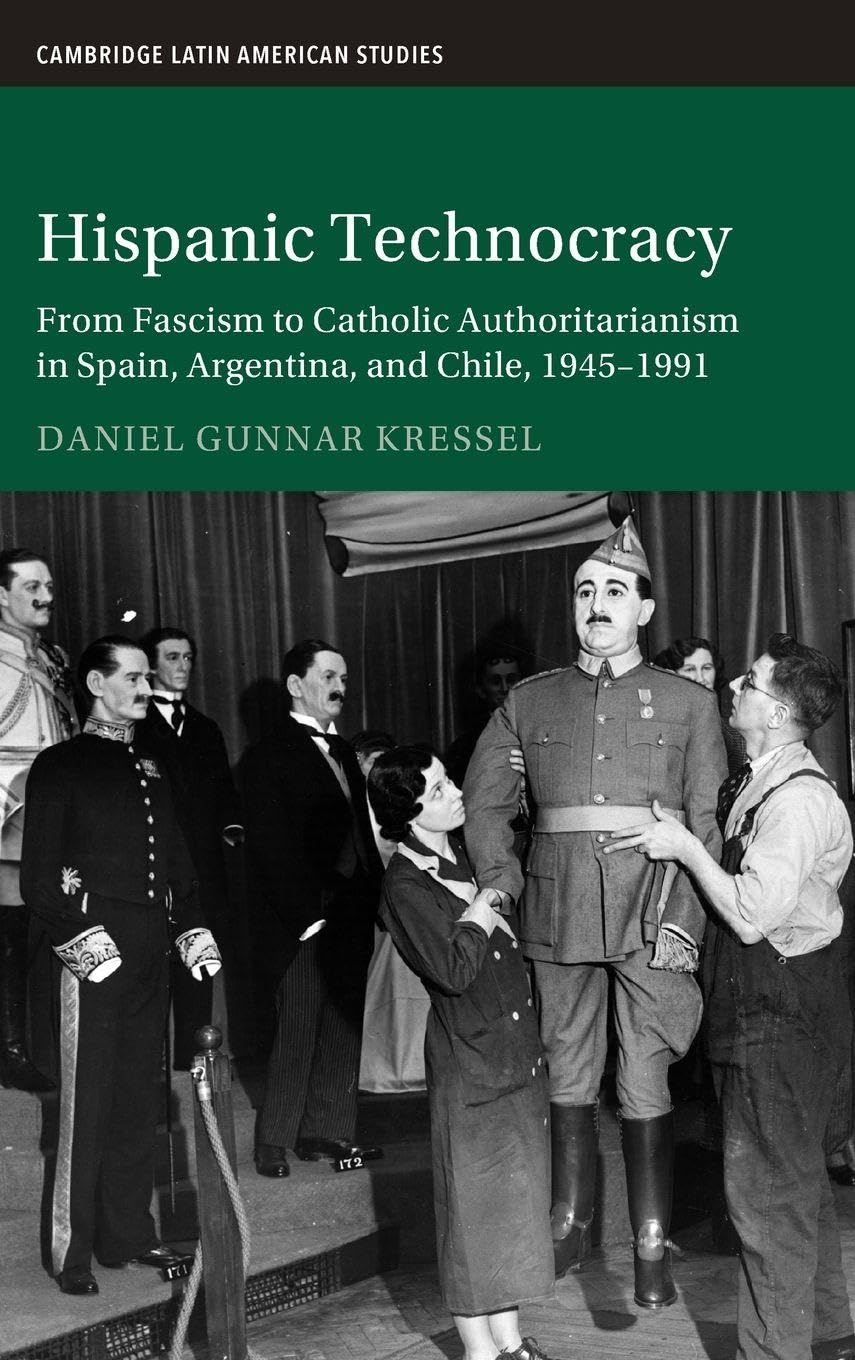
Hispanic Technocracy provides a comprehensive comparative analysis of technocratic governance in Spain, Argentina, and Chile during the post-World War II era. Daniel Gunnar Kressel explores how fascist organizational models evolved into Catholic authoritarian regimes, examining the complex interplay between state power, religious institutions, and economic modernization.
The book traces the trajectory from 1945 through 1991, capturing critical moments of political transformation and institutional development. Kressel investigates how technical expertise became intertwined with authoritarian control, and how Catholic doctrine influenced the legitimation of technocratic rule. By analyzing these three case studies, the work illuminates broader patterns of authoritarianism, modernization, and the role of the Church in shaping political outcomes across the Hispanic world during this turbulent historical period.






Reviews
There are no reviews yet.