
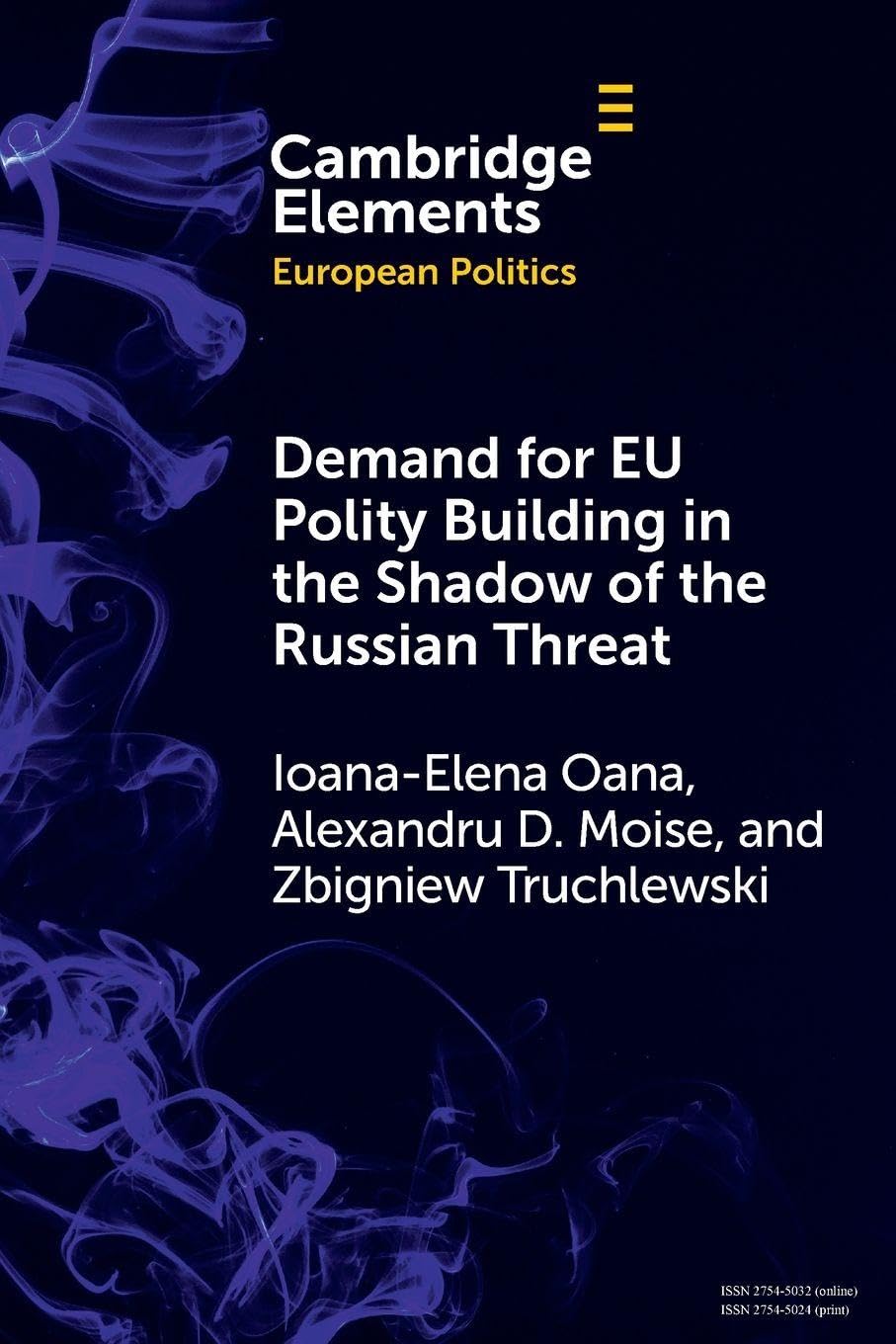
Description
This scholarly work explores the emerging demands for enhanced EU polity building driven by escalating Russian threats to European security and stability. The authors investigate how geopolitical pressures catalyze institutional reforms and political integration within the European Union.
Through empirical analysis and theoretical frameworks, the book examines the relationship between external security challenges and internal EU political development. It addresses key questions about how member states respond to Russian actions, the role of collective security mechanisms, and the institutional adaptations necessary for effective European governance.
The research contributes to understanding contemporary European politics by connecting security concerns with political union building. It provides insights into how existential threats influence policy-making at both national and supranational levels, offering valuable perspectives on EU cohesion and future political architecture.



Reviews
There are no reviews yet.