
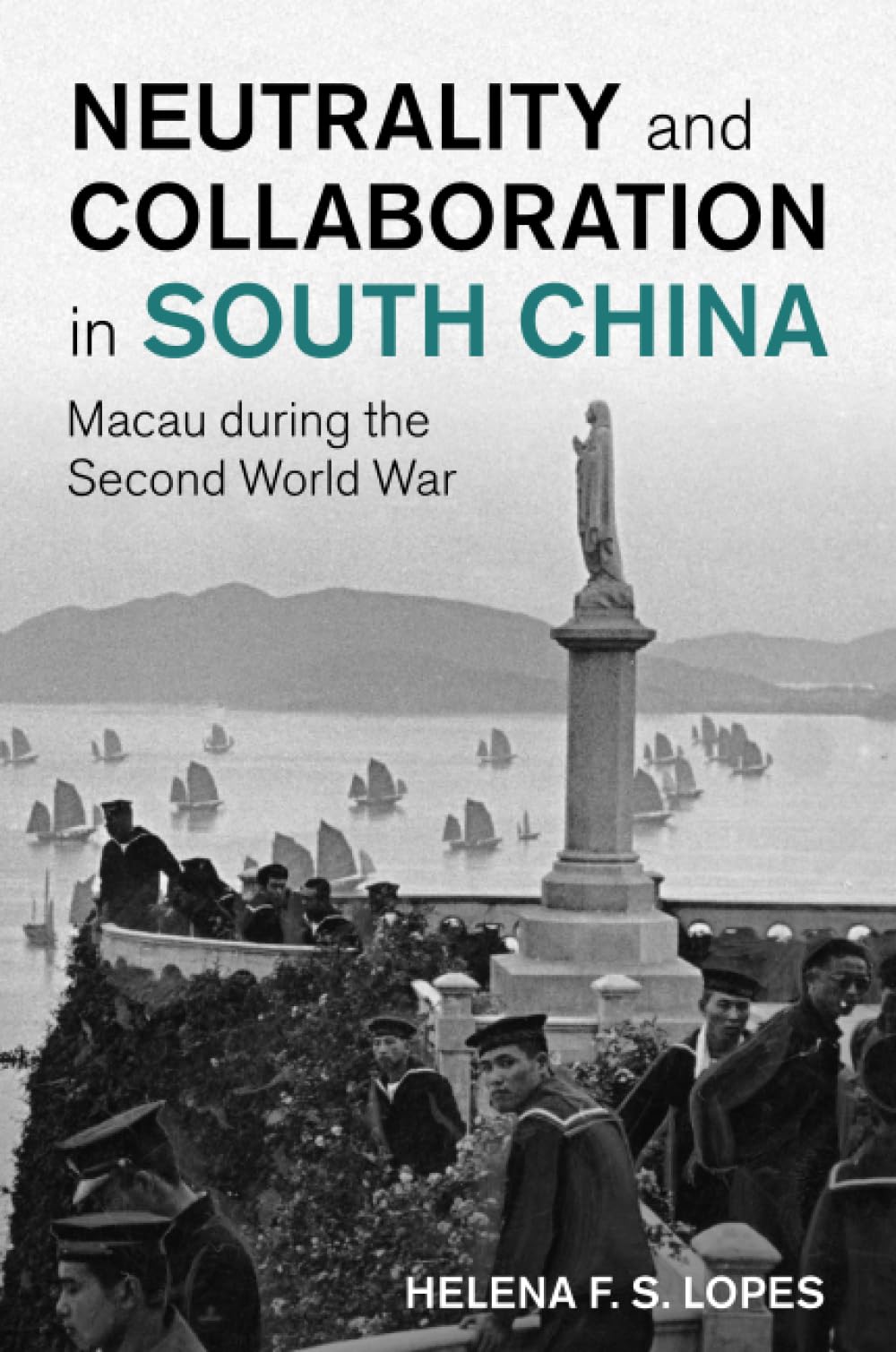
Description
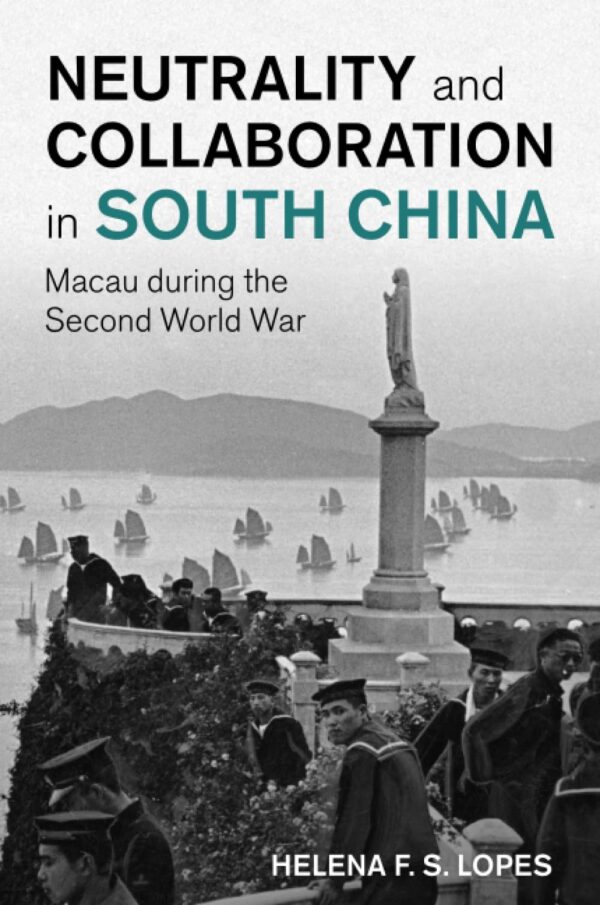
Neutrality and Collaboration in South China offers a nuanced examination of Macau’s unique experience during the Second World War. Rather than becoming a typical occupied territory, the Portuguese colony managed to maintain official neutrality while serving as a hub for intelligence, refugees, and clandestine operations. Through detailed historical analysis, Helena F. S. Lopes explores how Macau’s diverse population—including Portuguese administrators, Chinese merchants, and expatriate communities—navigated the pressures of Japanese expansion and Chinese nationalist movements.
The book delves into the social and cultural dimensions of wartime neutrality, demonstrating how economic interests, diplomatic maneuvering, and community relationships sustained this delicate status. Lopes examines collaboration and resistance within Macau’s society, revealing the complex choices individuals and institutions faced during the war. This work contributes significantly to understanding not just Macau’s history, but broader patterns of wartime governance and civilian experience in East Asia.


Reviews
There are no reviews yet.