
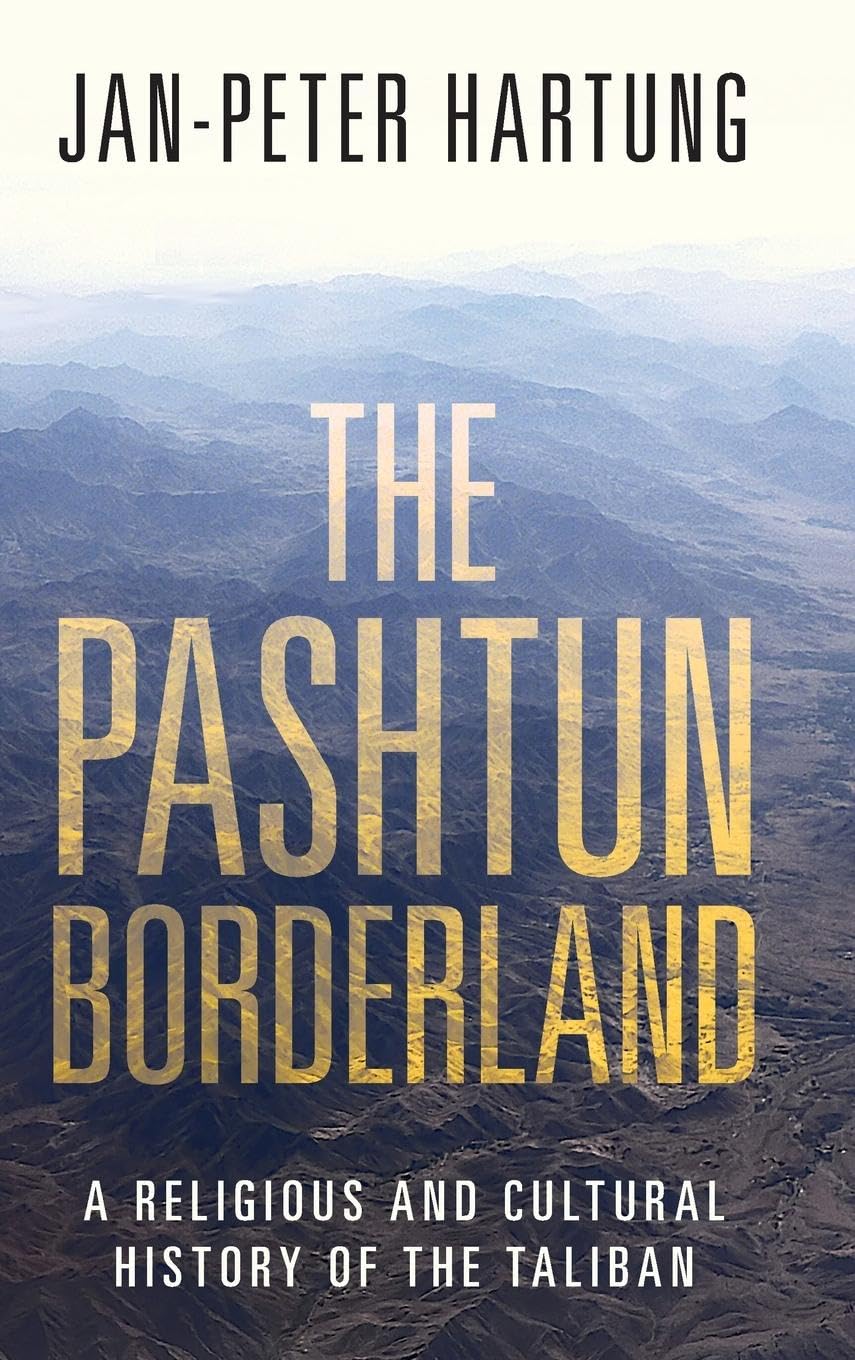
Description
This scholarly work by Jan-Peter Hartung provides an in-depth analysis of the Taliban movement through the lens of Pashtun religious and cultural history. Rather than treating the Taliban as a purely political phenomenon, Hartung situates the organization within the broader context of Pashtun borderland traditions, Islamic theology, and regional history.
The book traces the historical roots of Taliban ideology, examining how religious education, tribal customs, and geopolitical circumstances converged to create this influential movement. Hartung’s research draws on primary sources and fieldwork to offer nuanced perspectives on Taliban governance, their interpretation of Islamic law, and their relationship with Pashtun communities in Afghanistan and Pakistan.
Essential reading for scholars of Islamic history, Afghan politics, and religious movements in South Asia, this work challenges oversimplified narratives and provides crucial context for understanding contemporary geopolitical developments in the region.



Reviews
There are no reviews yet.