
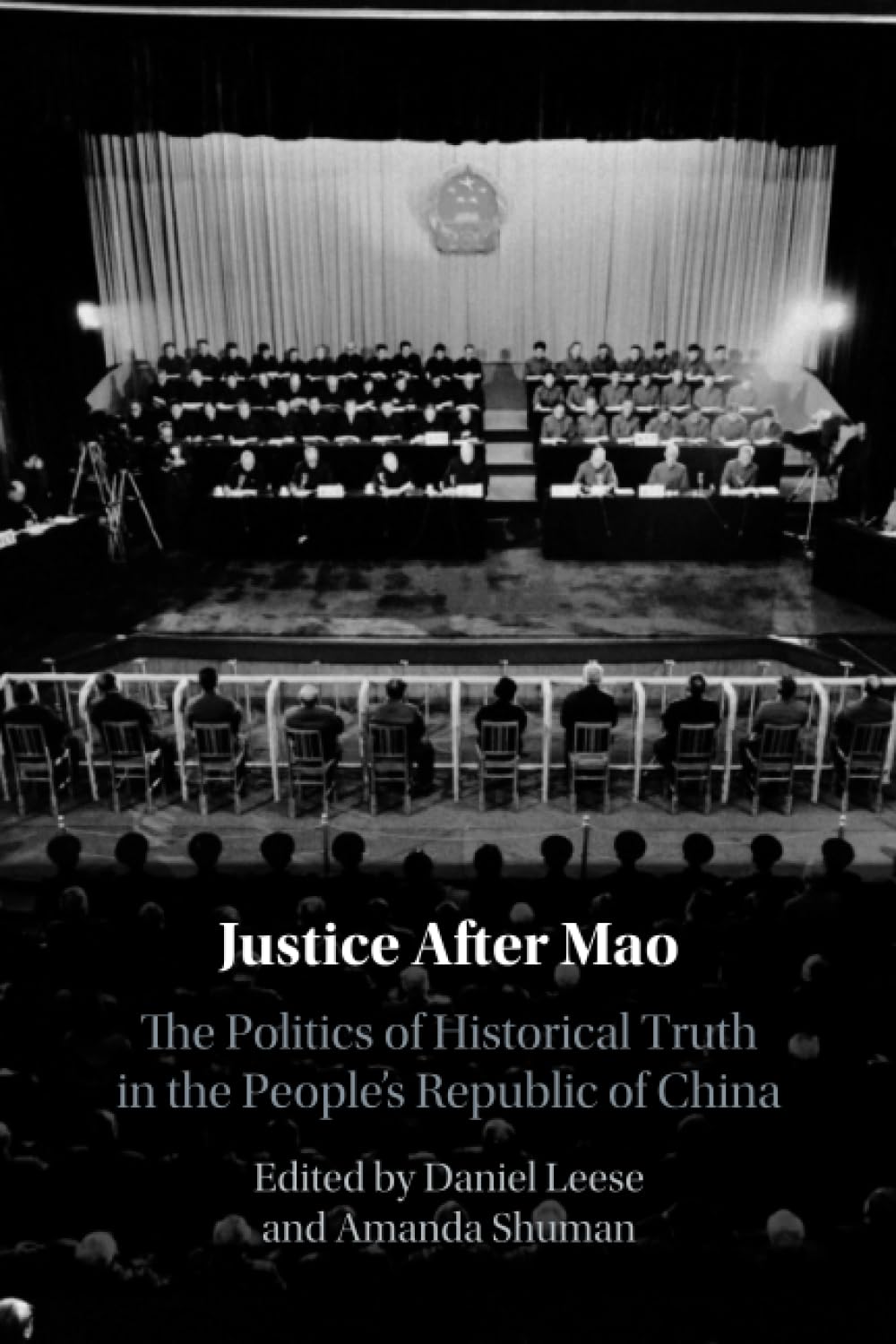
Description
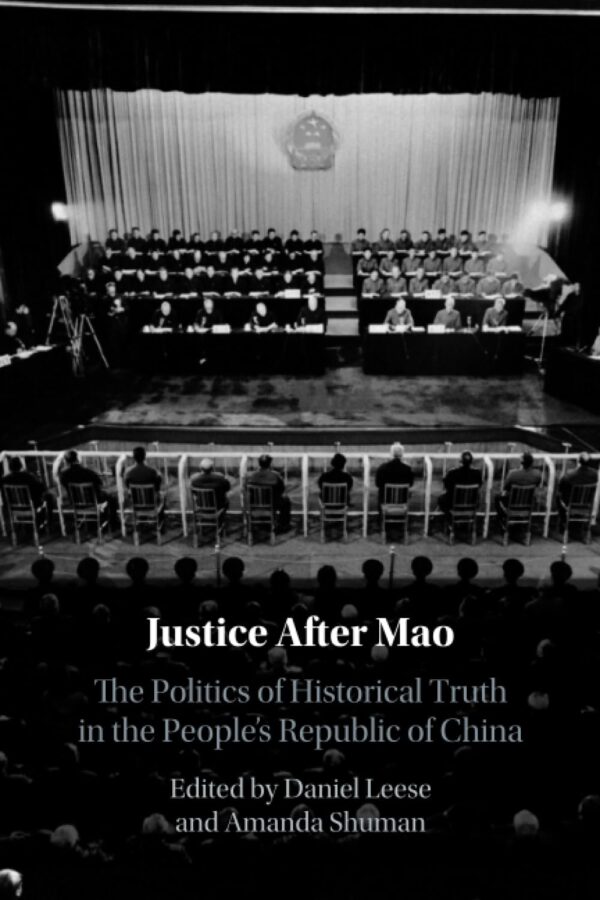
Justice After Mao provides a comprehensive analysis of how the People’s Republic of China has addressed historical accountability and truth-telling following Mao Zedong’s death. The authors, Daniel Leese and Amanda Shuman, investigate the intricate relationship between political power, historical narrative, and justice in modern China.
The work examines various mechanisms through which China has attempted to reckon with the cultural revolution and earlier periods of upheaval, including official resolutions, historical commissions, and public discourse. It explores the tension between the Chinese Communist Party’s desire to maintain legitimacy and the necessity of acknowledging past injustices.
Through detailed case studies and analysis, the book illuminates how historical truth becomes politically contested in authoritarian contexts. It addresses questions of memory, accountability, and reconciliation while demonstrating how the Chinese government has strategically managed historical narratives to serve contemporary political objectives.


Reviews
There are no reviews yet.