
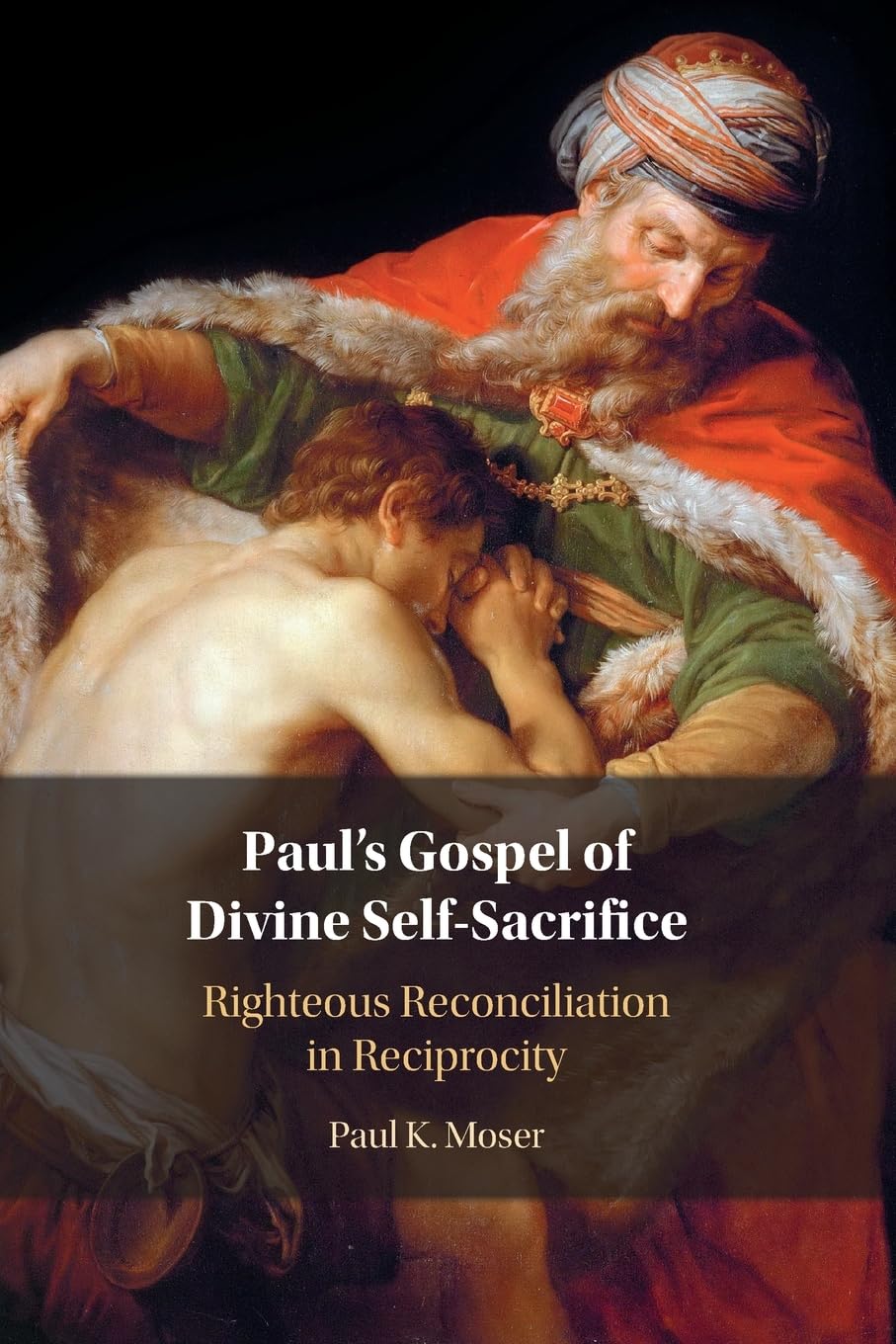
Description
Paul Moser provides a comprehensive theological analysis of Paul’s gospel, focusing on the central theme of divine self-sacrifice and its significance for Christian reconciliation. The work examines how Paul conceptualizes righteousness through the lens of reciprocal relationships between God and humanity.
Moser argues that Paul’s understanding of Christ’s sacrifice represents more than a transactional atonement model, instead presenting it as a transformative act rooted in divine love and reciprocal commitment. The book explores the philosophical and theological implications of viewing reconciliation as mutual exchange rather than unilateral forgiveness.
Through careful exegesis of Pauline texts, Moser demonstrates how sacrifice, righteousness, and reciprocity interconnect to form a coherent theological framework. This work contributes significantly to contemporary Pauline scholarship and offers fresh insights into how early Christian communities understood salvation and reconciliation.




Reviews
There are no reviews yet.