
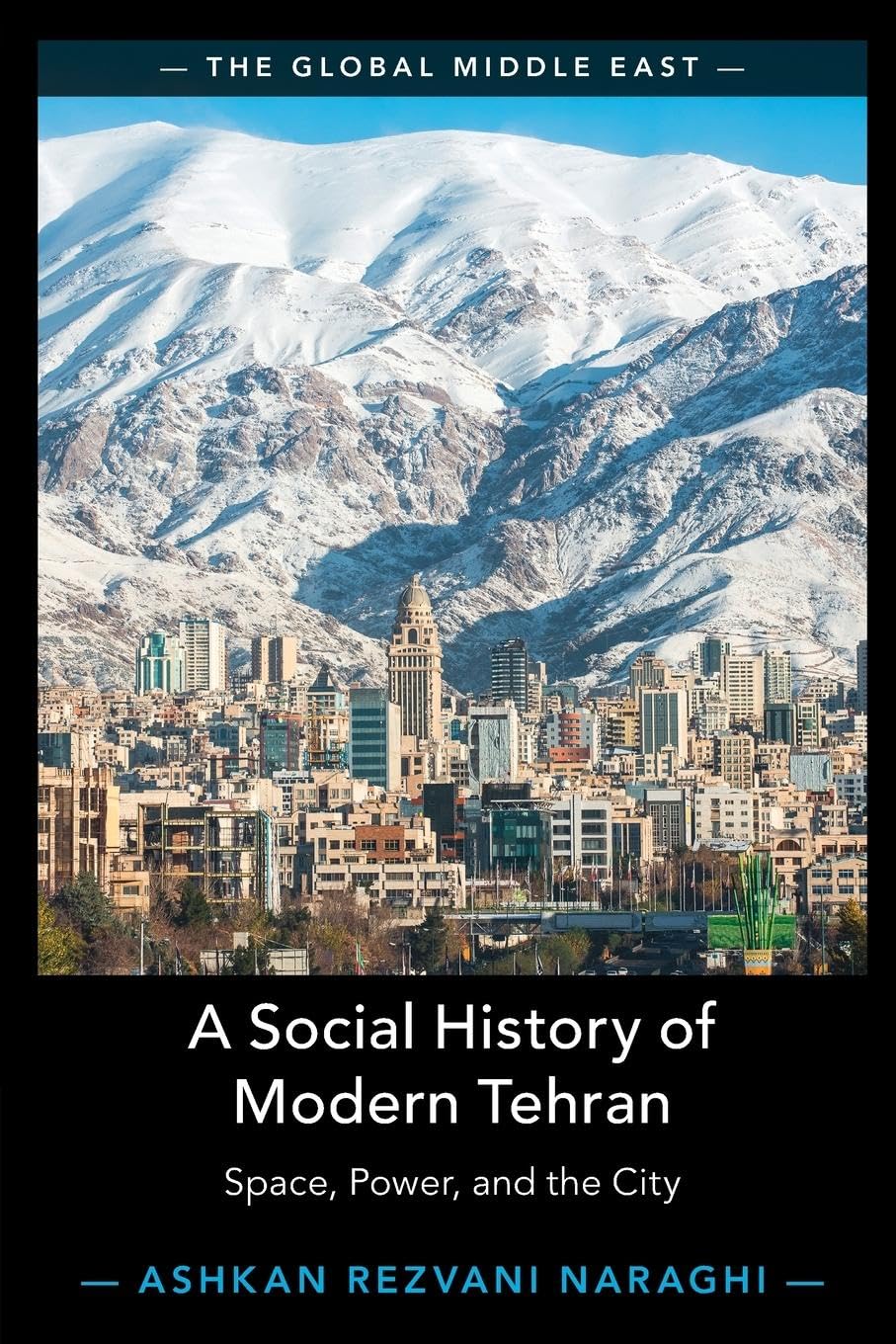
Description
A Social History of Modern Tehran provides a comprehensive examination of Tehran’s development as a major global city, analyzing how spatial transformation reflects broader patterns of power, modernization, and social change in Iran. Through detailed historical analysis, Ashkan Rezvani Naraghi traces the city’s evolution from a modest capital to a sprawling metropolis of millions, revealing the complex relationship between urban planning, political authority, and everyday life.
The book investigates key themes including the role of infrastructure development, the creation of segregated neighborhoods reflecting class hierarchies, and the ways in which architectural and spatial decisions reinforced state power. By examining Tehran’s streets, districts, and public spaces, the author demonstrates how urban geography has been instrumental in shaping modern Iranian history and society. This volume contributes significantly to urban history scholarship while offering valuable insights into Middle Eastern cities and the social consequences of rapid modernization.



Reviews
There are no reviews yet.