
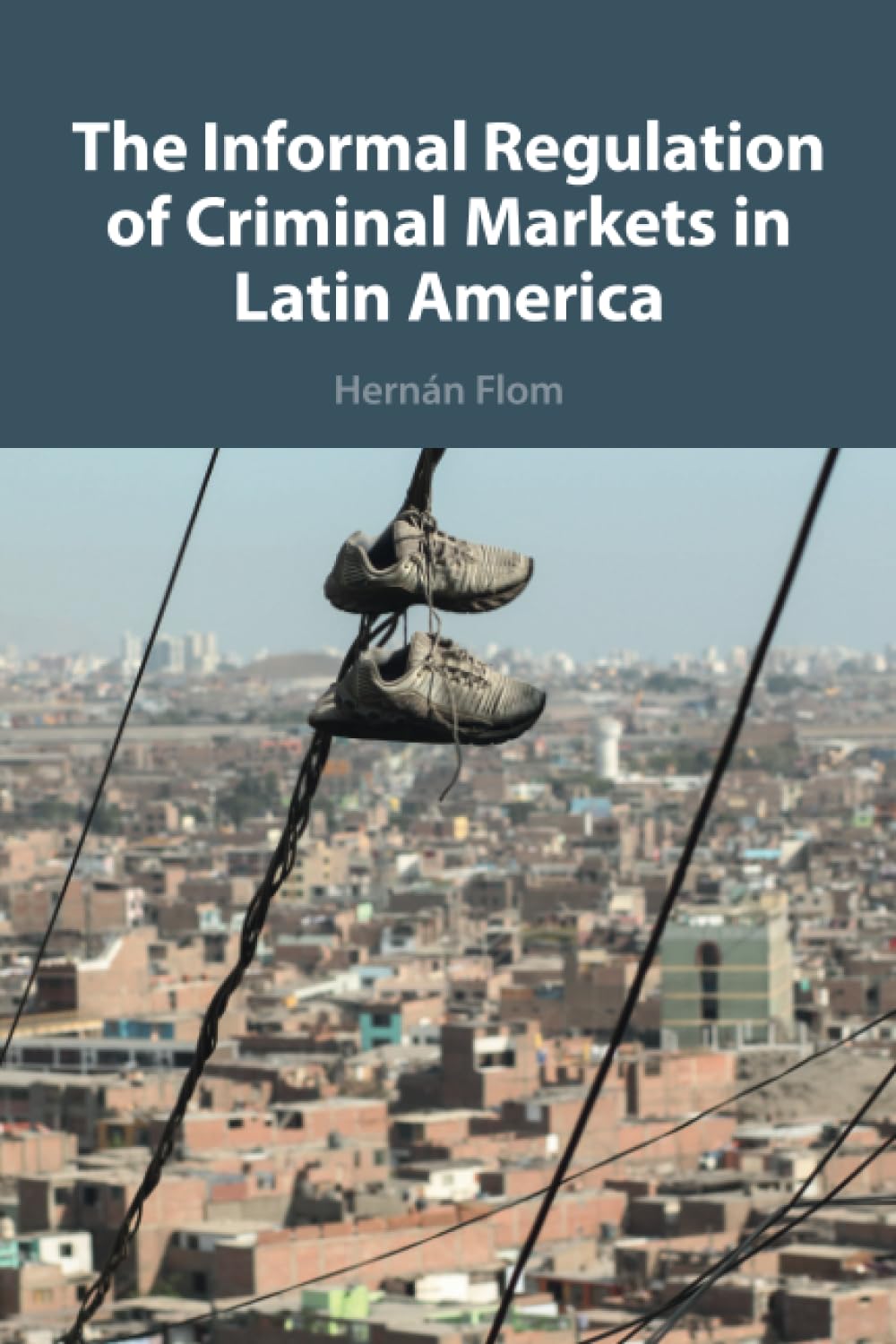
Description
The Informal Regulation of Criminal Markets in Latin America explores the paradox of how criminal enterprises establish order and enforce contracts without relying on state institutions. Hernán Flom argues that criminal organizations develop sophisticated informal regulatory mechanisms to manage their operations, resolve disputes, and maintain market stability.
This groundbreaking study analyzes various illicit markets including drug trafficking networks, arms smuggling, and organized crime operations throughout Latin America. By examining case studies and empirical evidence, Flom reveals how these criminal actors create governance structures, establish rules, and punish violators—mirroring legitimate business practices in shadow economies.
Published by Cambridge University Press, this work challenges conventional understanding of criminal markets as purely chaotic or violent enterprises. Instead, it demonstrates that criminal organizations require institutional frameworks and self-regulation to survive and thrive, offering valuable insights for policymakers, criminologists, and scholars studying organized crime, institutional economics, and Latin American security issues.






Reviews
There are no reviews yet.