
Description
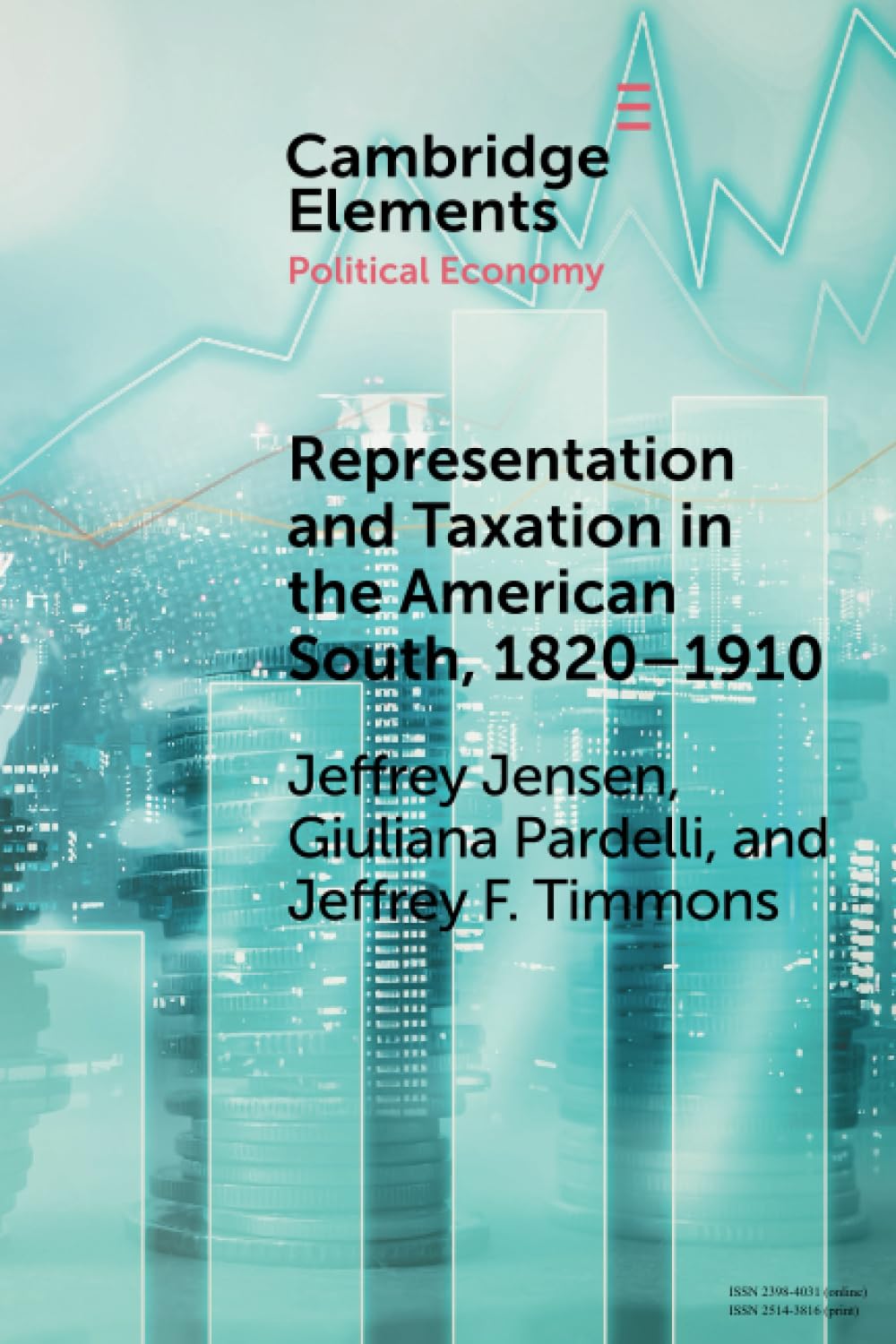
This comprehensive study analyzes the intricate connections between political representation and taxation in the American South across nine decades of significant social and economic change. The authors examine how southern states’ approaches to representation influenced their tax policies and revenue generation, particularly in the context of slavery, Reconstruction, and the subsequent development of the post-bellum South.
The book explores how shifts in political power and representation directly impacted taxation strategies, affecting both wealth distribution and economic development in the region. By tracing these patterns from the antebellum period through the early twentieth century, the work provides crucial insights into how political institutions shape fiscal policy.
Part of the Elements in Political Economy series, this scholarly work combines rigorous historical analysis with economic theory to illuminate the complex relationship between democratic representation and state fiscal capacity in a crucial American region.




Reviews
There are no reviews yet.