
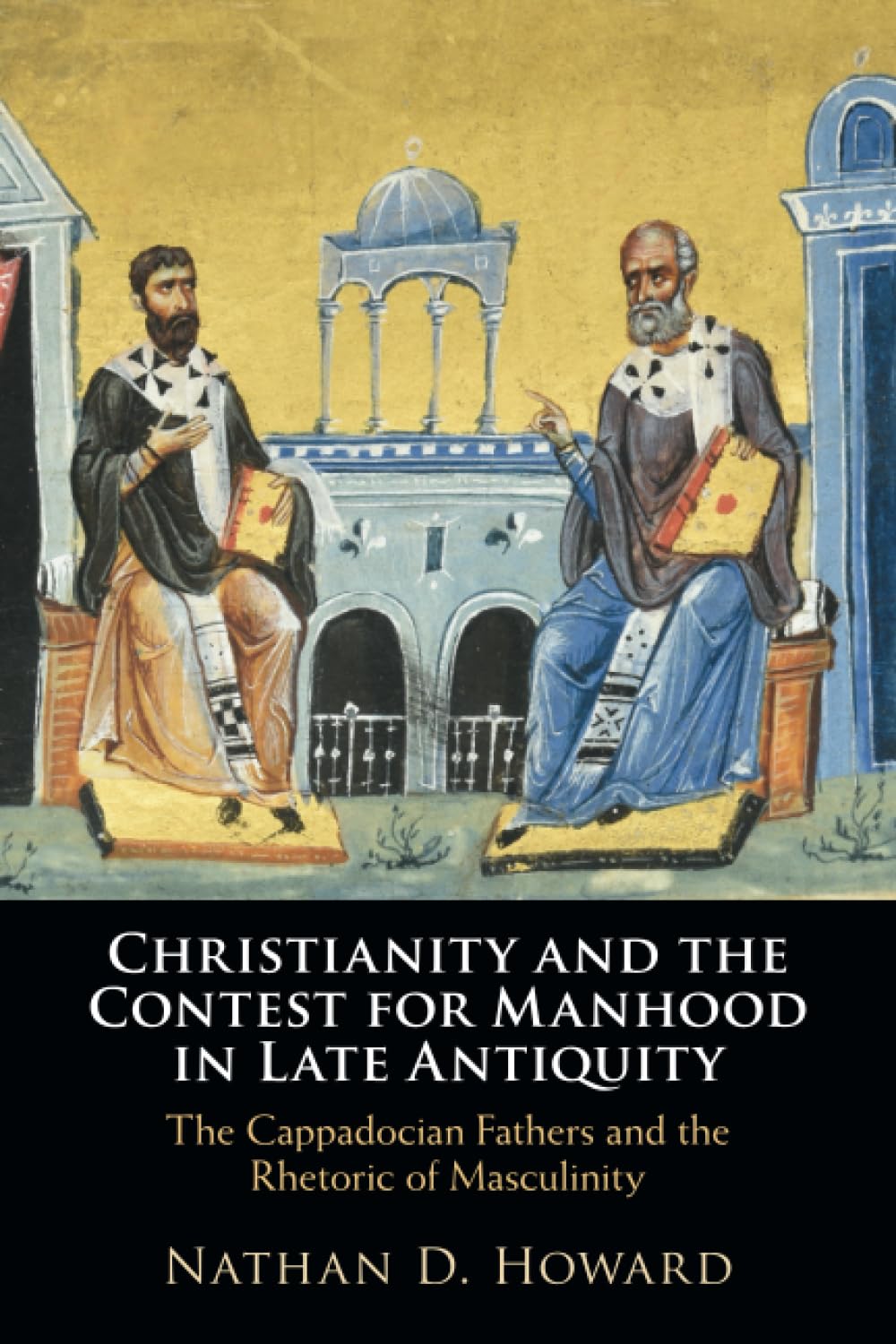
Description
Christianity and the Contest for Manhood in Late Antiquity offers a groundbreaking analysis of how the Cappadocian Fathers—Basil of Caesarea, Gregory of Nazianzus, and Gregory of Nyssa—constructed and promoted a distinctly Christian model of masculinity. Nathan D. Howard examines the rhetorical strategies these influential theologians employed to challenge both pagan and Christian conceptions of manhood during the 4th century.
Through close textual analysis, Howard demonstrates how the Cappadocian Fathers used ascetic ideals, philosophical argumentation, and theological innovation to reshape cultural understandings of male virtue and identity. The book explores how Christian teachings about celibacy, intellectual pursuits, and spiritual authority competed with traditional Greco-Roman values of physical prowess and political power. By situating these religious developments within broader late antique cultural contests, Howard reveals the profound ways that early Christianity transformed concepts of manhood and social identity.





Reviews
There are no reviews yet.