
Description
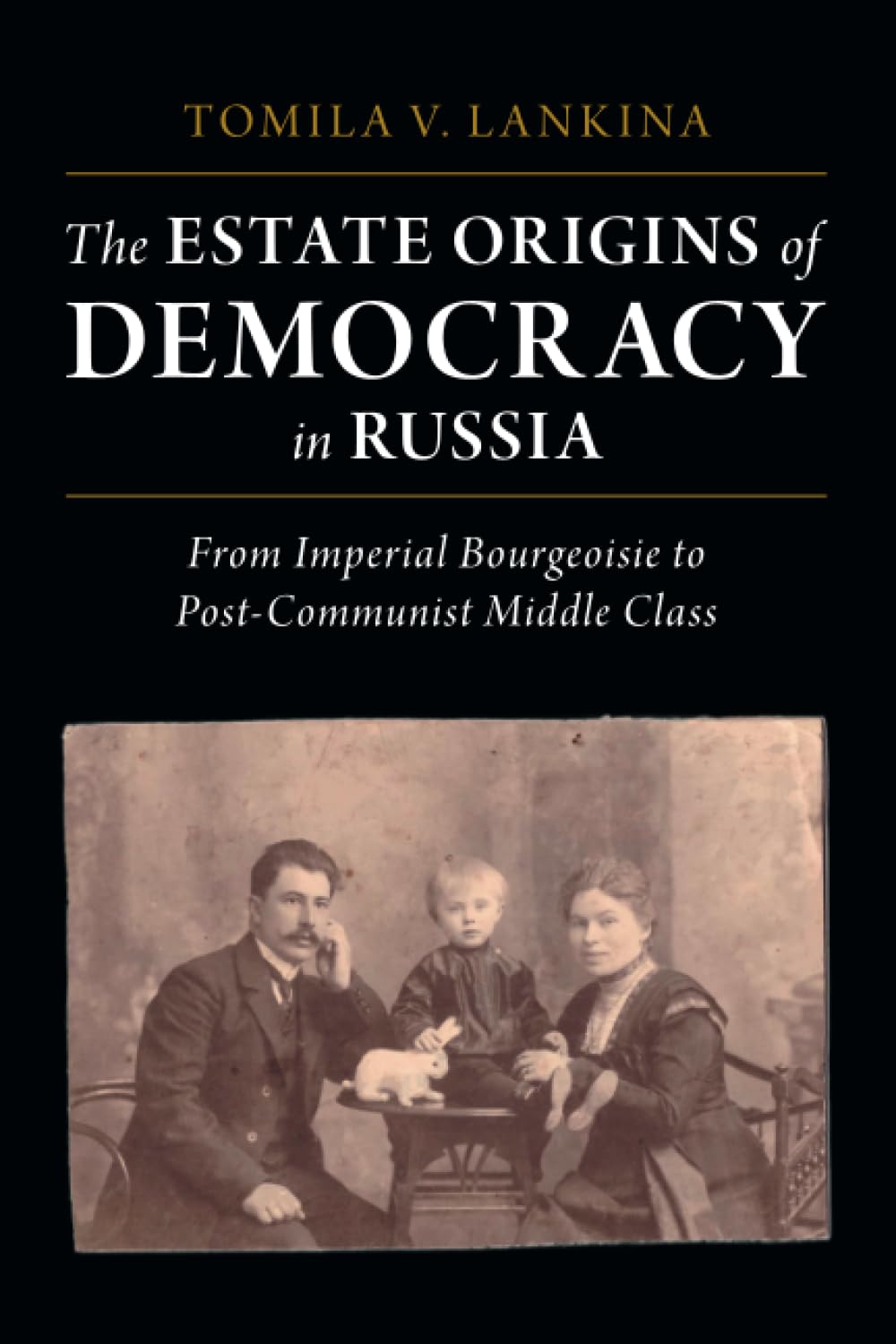
Tomila V. Lankina’s groundbreaking study explores the origins of democratic traditions in Russia by analyzing the historical role of estates—Russia’s pre-revolutionary class system—in forming the institutional foundations of modern democracy. Rather than viewing Russian democracy as an external import, Lankina demonstrates how the imperial bourgeoisie developed organizational structures and civic practices that persisted through the Soviet period and influenced post-communist political development.
The book traces a compelling historical arc from the imperial era through the Soviet period to contemporary Russia, revealing unexpected continuities in how Russia’s middle class has engaged with democratic institutions. By connecting the institutional heritage of the imperial estate system to the emergence of a post-communist middle class, Lankina challenges conventional narratives about Russia’s democratic trajectory and offers new insights into why certain regions and social groups embrace democratic practices while others resist them.




Reviews
There are no reviews yet.