
Description
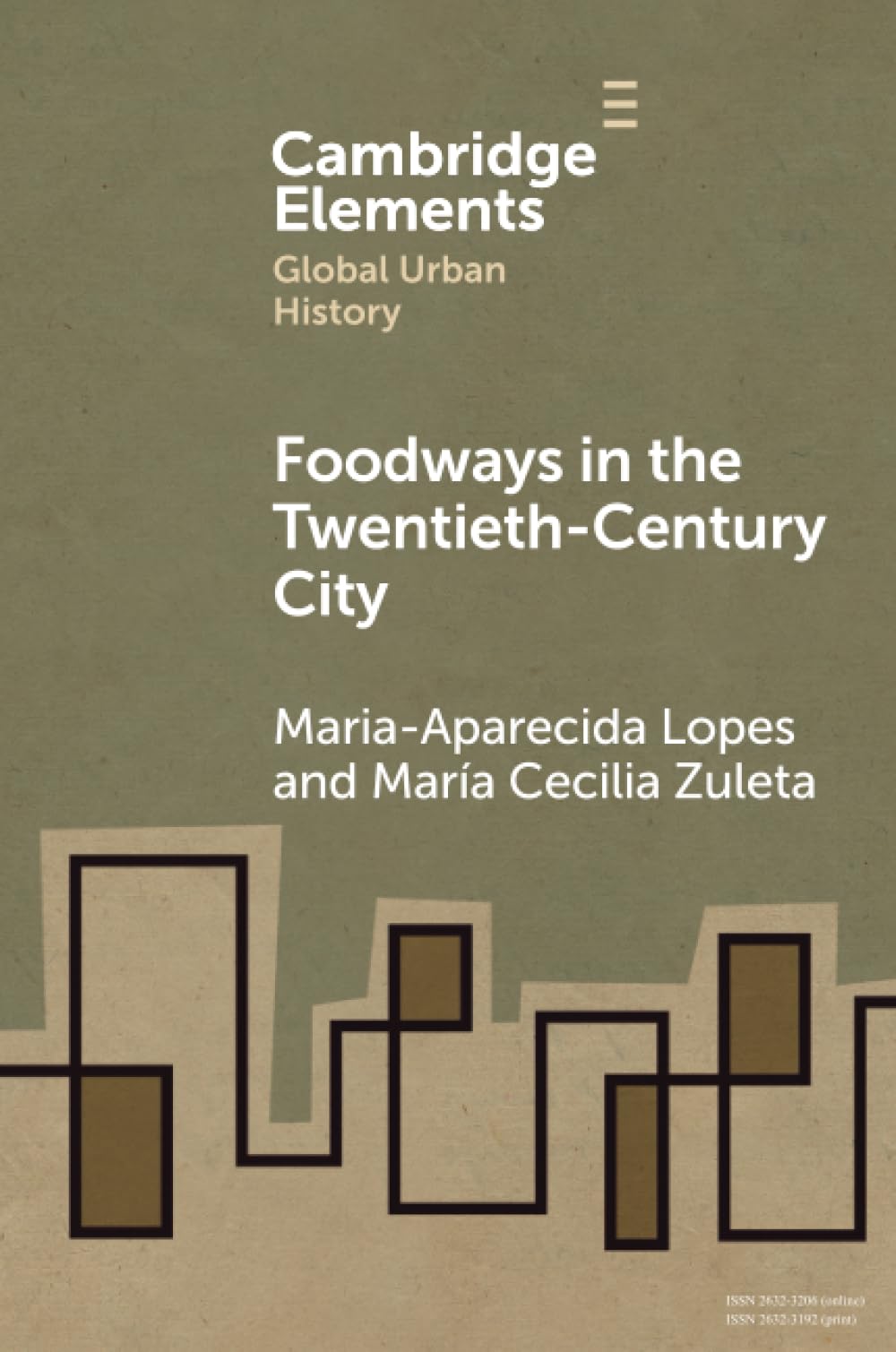
Foodways in the Twentieth-Century City provides a comprehensive examination of how food production, distribution, and consumption transformed urban environments during the 1900s. The authors analyze the intricate connections between foodways and city development, exploring how migration patterns, immigration policies, and economic changes influenced what people ate and how they ate it.
This work investigates the role of markets, street food vendors, restaurants, and domestic kitchens in shaping urban culture and social identity. It considers how food systems adapted to rapid urbanization, technological innovation, and changing consumer practices. The book reveals how foodways both reflected and reinforced social hierarchies, cultural identities, and community formation in twentieth-century cities globally.
Part of the Elements in Global Urban History series, this study offers valuable insights into urban history through the lens of food, demonstrating why foodways remain essential to understanding modern metropolitan life.




Reviews
There are no reviews yet.