

Description
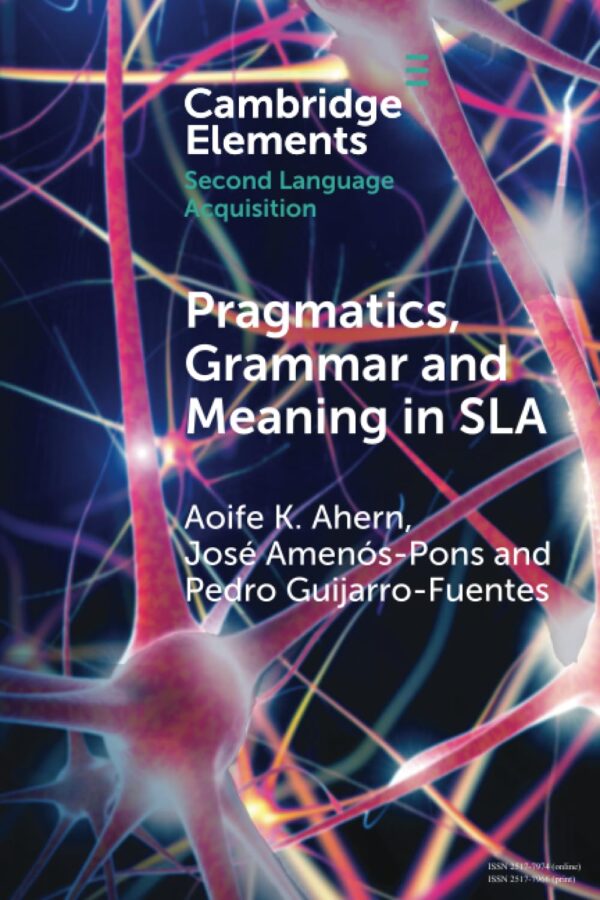
This comprehensive volume investigates the complex relationships between pragmatics, grammar, and meaning in second language acquisition. The authors examine how learners progressively develop pragmatic competence—the ability to use language appropriately in social contexts—while simultaneously acquiring grammatical structures and semantic knowledge.
The book addresses key questions about how non-native speakers learn to interpret and produce language that is not only grammatically correct but also contextually appropriate and semantically accurate. Drawing on recent research and theoretical frameworks, it explores the cognitive and social processes underlying pragmatic development in L2 learners. The volume considers various factors influencing pragmatic acquisition, including exposure, instruction, and individual learner characteristics, while providing evidence-based insights into effective pedagogical approaches for developing pragmatic competence in language classrooms.



Reviews
There are no reviews yet.